

Presents


Magnus Mårtensson
Microsoft Regional Director, Azure MVP, CEO Loftysoft
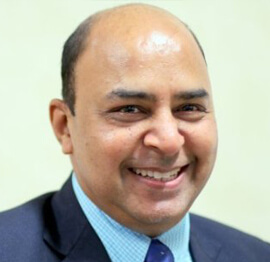
Avirag Jain
Director & CTO R Systems

Mahesh Chand
Founder C# Corner, CEO Mindcracker

Chris Gali
CEO & Co-Founder Graphite

Subinder Khurana
Chief Architect StoryProcess, Founder NASSCOM DeepTech Club

Bryan Rishforth
Investor, Chairman Graphite

Bryn Everson
Director Biz Dev Graphite
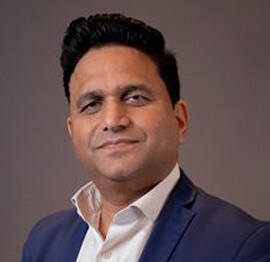
Raj Tiwari
Digital Transformation Leader, Futurist and Visionary

Joseph Guadagno
Microsoft MVP, Lead Quicken Loans

Nikita Sachdev
Entrepreneur, Blockchain Enthusiast & Advisor, Social Media Influencer

Doug Wagner
COO & Founder Adapt Technical Group

Ritesh Modi
Architect, Senior Evangelist, Cloud Architect

Crystal Wenrick
Director Communications Mindcracker

Allen O’Neill
Microsoft MVP, Consulting Engineer/Architect

Praveen Kumar
CEO MCN Solutions

Chris Love
Founder Love2Dev, Microsoft MVP, Author

Sanjay Vyas
Microsoft Regional Director, Microsoft MVP, Founder & CEO SkillLabs Technologies

Veena Sarda
Deep Learning Consultant, Author

Sekhar Srinivasan
C# Corner MVP, Microsoft Certified Trainer, Pluralsight Author

Lalit Bansal
Founder & CEO - EIY SYS

Navdeep Garg
CEO Revinfotech

Prakash Tripathi
Tech Manager/Leader, Microsoft MVP, Blogger
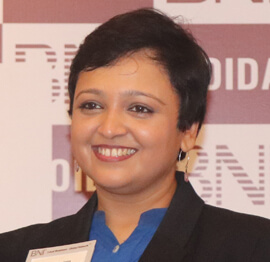
Bhavna Jain
Breakthrough Consultant

Naveen Sharma
Enterprise Architect, Leadership Coach, Author

Vidya Vrat Agarwal
Principal Architect, Microsoft MVP, Author

Sheetal Agarwal
Founder Clownselors, Medical Clown, Trainer

Abhishek Kant
Founder GTM Catalyst

Vishnu Saran
Founder & CEO VoiceQube

Sandeep Soni
Founder & CEO Deccansoft, Microsoft Certified Trainer

Parveen Malik
AVP InfoSec & Vulnerability Management, Information Security Expert

Nitin Pandit
Microsoft MVP, Developer Evangelist, Author

Niloshima Srivastava
C# Corner MVP, Tech Architect, Trainer, Blogger

Bala Chirtsabesan
Senior Software Engineer at Microsoft, Author

Manoj Mittal
Sr. Technical Architect, C# Corner MVP, Author

Chandni Di
Co-Founder Voice of Slum

Vithal Wadje
Technical Lead, Microsoft MVP, Author

Shivam Ahuja
Founder SkillCircle, Business Mentor

Chervine Bhiwoo
Solution Architect, Microsoft MVP, Author

Saurabh Jain
Vice President Paytm, Founder Fun2Do Labs, Author

Vinay Solanki
Head IoT at Lenovo, Founder IoT-NCR
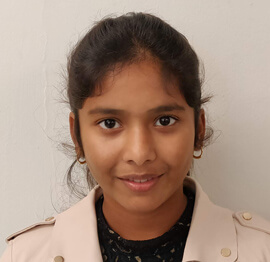
Anshu kumari
Founder Blockchainkids, Inventor, Trainer

Amit Singal
CEO Startup Buddy

Dev Pratap
Co-Founder & CEO Voice of Slum

Amey Vartak
Technology Consultant, Full Stack Developer, C# Corner MVP, Author

Viswanatha Swamy
Principal Software Engineer, C# Corner MVP, Author

Sanket Verma
Research Engineer @ Ballistics (Forensics) and Chair, PyData Delhi

Sourabh Somani
Lead Developer, Microsoft MVP, Author

Abhishek Mishra
Software Architect, C# Corner MVP, Author

Siddharth Vaghasia
Technical Consultant, C# Corner MVP, Blogger

Bassam Alugili
Senior Software Specialist, Database Expert

S Ravi Kumar
Solution Architect, C# Corner MVP, Author

Sundaram Subramanian
Full Stack Developer, C# Corner MVP, Speaker

Deepesh Somani
Solution Architect, Microsoft MVP, Author

Debasis Saha
Technical Project Manager, C# Corner MVP, Blogger, Author

Vipul Jain
Software Architect, C# Corner MVP, Author

Akshay Patel
Technical Architect, Microsoft Certified Trainer, C# Corner MVP, Author

Stephen Simon
RPA Developer, Evangelist, Author

Vivek Sharma
Founder Kingster636, AR/VR Specialist

Jeetendra Gund
Technical Lead, C# Corner MVP, Author

Sujal Beniwal
AI Enthusiast, Student

M Viknaraj
Microsoft MVP, Azure Architect, Author

Prasham Sabadra
Software Architect, C# Corner MVP, Trainer, Author

Aakash Maurya
Senior Developer, C# Corner MVP, Speaker

Ankit Sharma
Senior Software Engineer, C# Corner MVP, Author

Mangesh Gaherwar
Team Lead, C# Corner MVP, Author

Viral Jain
Technical Consultant, C# Corner MVP, Author

Bhasker Das
Solution Architect, Evangelist

Manish Dwivedi
Associate Project Manager

Ck Nitin
Programmer, Author

Rohit Gupta
Technical Trainer, Author

Manish Tewatia
Full-stack Marketer, UX Designer

Bhavya Gaur
Technical Illustrator

Rohit Tomar
SEO/SMO Expert
Web Track
Cloud & Data Track
Dev Track
Registration & Breakfast
Future of Desktop Apps with JS (ElectronJs)
Nitin Pandit
Building Serverless Microservices Using Microsoft Azure
Vithal Wadje
Innovating RPA: A Robot for Every Person
Stephen Simon
Managing Cloud Storage Accounts using Logic Apps
Viknaraj Manogararajah
Data visualization using Python
Sekhar Srinivasan
Going Cross platform with AR Foundation
Vivek Sharma
Keynote
Managing your Azure dependencies in ASP.NET Core apps using VS
Bala Chirtsabesan
Securing Applications on Intelligent Azure
Abhishek Mishra
Getting started with Blazor the Framework of Future
S Ravi Kumar
Lunch
Build Progressive Web Apps using Angular 9
Debasis Saha
Build and deploy to any platform using Azure DevOps
Chervine Bhiwoo
Deep Dive in Azure Service Bus
Akshay Patel
Build a Native Mobile Application using React Native and JavaScript
Joseph Guadagno
Making sense of Web Job, Web Job SDK and Functions in Azure
Prakash Tripathi
CloudFront Distribution in AWS
Viral Jain
Tea Break
Introduction to PowerBI
Aakash Maurya
Build Advanced SPFx solutions with React and Graph API
Siddharth Vaghasia
Build Business Intelligence Analyst (BIA) Skills
Sundaram Subramanian
Deep dive of Power Platform – AI BUILDER
Prasham Sabadra
Panel 1
What's new in SharePoint development
Vipul Jain
Build a SSO (Single Sign On) based Native JavaScript application with Microsoft Identity within 10 minutes
Manoj Mittal
Panel 2
Applications and working of AI
Veena Sarda
Deploying serverless API's with .Net core 3.0 on AWS & Azure
Amey Vartak
Panel 3
Blockchain with .NET Core (Ark)
Anshu Kumari
Closing Note & Prize Distribution
Dev Track
Cloud Track
Architecture Track
Emerging Tech Track
Registration & Breakfast
Creating Full-Stack Web Apps Using Server-Side Blazor
Ankit Sharma
Real time face recognition with MS Cognitive Services
Niloshima Srivastava
Building Scalable APIs with GraphQL
Jeetendra Gund
Future of development with AI and Blockchain
Navdeep Garg
Debugging Tips and Tricks with Visual Studio 2019
Joseph Guadagno
Azure Containers
Abhishek Kant
Enterprise Architecture
Naveen Sharma
Bot Framework - learn it fast and look like a boss!
Allen O’Neill
Keynote
.Net Core & C# 8 Performance
David McCarter
Working with Azure kubernetes services
Ritesh Modi
Becoming an Architect
Vidyavrat Agarwal
Why Techies Need to Learn Product Management
Saurabh Jain
Lunch
Build a rules engine in .Net Core
Sanjay Vyas
Building CI and CD Pipeline using Azure DevOps
Sandeep Soni
Entity Framework Core - Tips and Tricks, Performance Optimization, and Tuning
Bassam Alugili
Hacking your way into Data Science
Sanket Verma
Speed up your .Net Core Website
Sourabh Somani
Azure
Magnus Mårtensson
Demystifying Open Distro for Elasticsearch
Suman Debnath
Future of Data
Shivam Ahuja
Tea Break
gRPC with C# and .Net Core
Mangesh Gaherwar
Panel 1
Essentials of Cloud security
Parveen Malik
Power platform and Dynamics 365
Deepesh Somani
Microservices - the gRPC Way
Viswanatha Swamy
Panel 2
Reserved
Reserved
Closing Note & Prize Distribution
Building Notifications with FCM and C# in Australia
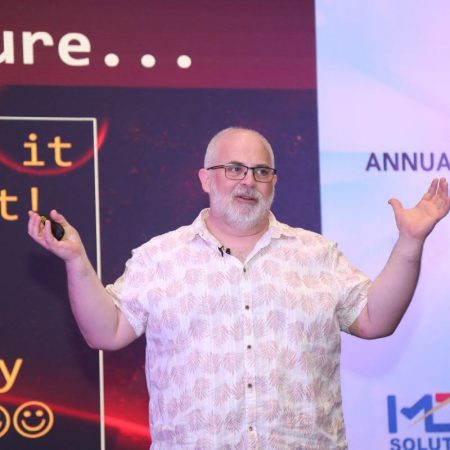
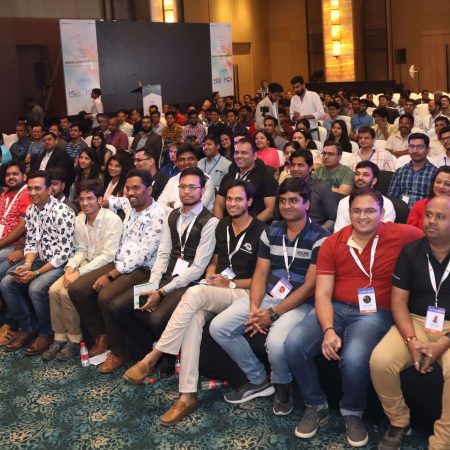
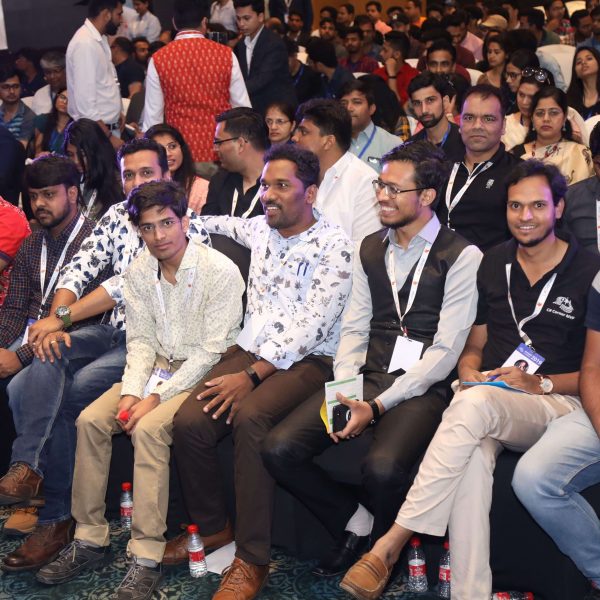
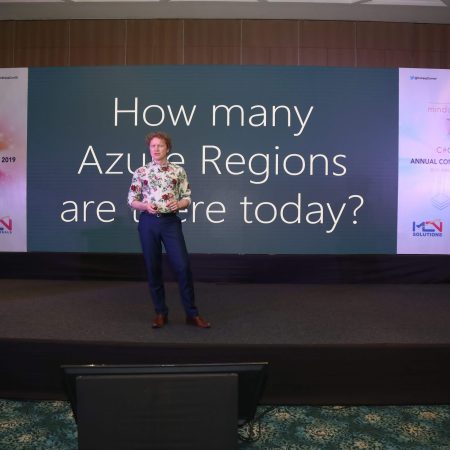
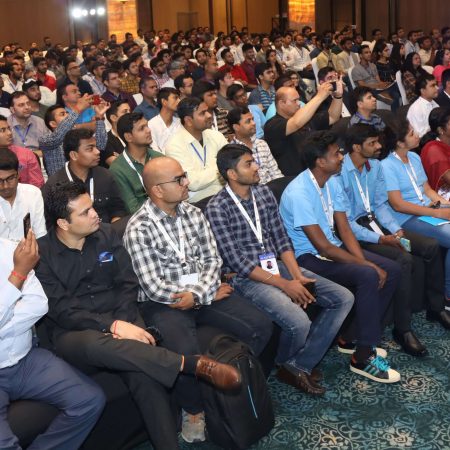
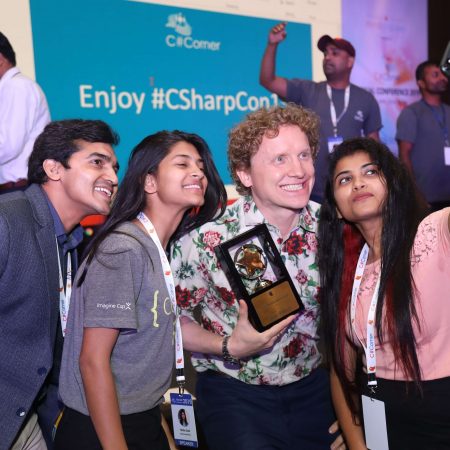
The C# Corner Annual Conference 2020 is a three-day event for software professionals and developers, with dozens of speakers covering C#, Microsoft Azure, cloud computing, data, web development, DevOps, AI and robotic process automation. Its multi-track agenda spans several days, and attendees can create an account or log in to the event platform to shape a personal schedule. It is a practical setting for examining how applications communicate with users beyond their own screens.
Building a notification system with Firebase Cloud Messaging and C# brings that focus to a common product requirement. Firebase Cloud Messaging, or FCM, manages delivery to Android, iOS and web clients, while a C# service decides who receives an alert and what it contains. The key question is not whether a message can be sent, but whether the right person receives the right alert once, at a suitable moment, with enough context to act.
Reliable push notifications cross several layers: device permissions, application tokens, identity records, business rules, cloud transport and user preferences. A weakness in any layer can produce duplicates, stale messages or silence. Australian teams also operate in a large, mobile-first market where customers move between metropolitan and regional areas, businesses serve the whole country and communication preferences rarely follow one pattern.
Sessions on Azure, cloud architecture and DevOps can shape the supporting platform, but implementation still needs clear boundaries. A C# backend should own decisions and delivery, while each client manages registration and local presentation. Applied to banking, retail, logistics or public-service products, this separation creates a notification capability that scales without coupling business rules to one transport.
Designing the end-to-end notification flow
Begin with an event-driven flow. A business action creates an event with an identifier, audience rule, content reference and delivery policy. An ASP.NET Core service or Azure Function consumes it, loads the recipient or segment, checks consent and quiet hours, then calls the Firebase Admin SDK. Firebase returns a provider message ID, which the service stores against the event and device token, creating a traceable path from decision to attempt.
Treat device registration as identity data rather than a disposable string. After sign-in, the client requests permission, creates or refreshes its FCM token and sends it through an authenticated API call. The API associates that token with an internal user and device record. Events can then target a user, topic or registration. Tokens rotate, get revoked or survive an app uninstall, so invalid registrations should be removed when Firebase reports them.
Separate content from transport. A display message contains a title and body, while a data message lets the app interpret fields, open a deep link or localise text. Payload limits and background handling differ across platforms. Keep templates in a configuration store, include a stable correlation ID and reject oversized payloads before sending. A compact C# minimax example shows a useful architectural habit: keep domain rules independent from the interface presenting them.
Connecting Firebase Cloud Messaging to C#
Create a Firebase project, register Android, Apple and web applications, and obtain each platform's required configuration. Use server-side Firebase Admin credentials; never ship a service-account key in a mobile or browser package. In the backend, add the Firebase Admin .NET package, initialise it from a protected credential source and register the messaging client through dependency injection. On Azure, Key Vault is a practical home for secrets.
The sending service can build a Message, MulticastMessage or TopicMessage and pass it to the asynchronous Firebase API. Hide that transport behind an INotificationSender interface so application services do not depend on Firebase classes. Set a TTL when freshness matters, use collapse keys for replaceable updates and reserve priority for genuinely urgent events. Queue lengthy work through Azure Service Bus or another durable broker rather than holding an HTTP request open.
Clients remain part of delivery. Android 13 requires runtime notification permission, and iOS asks users to allow notifications after installation. Request access in context, explain its value and provide an in-app preference centre. Register or refresh tokens after sign-in, react to rotation and clear local notification state at sign-out. These details often determine whether a correct backend produces an alert that customers receive and trust.
Planning for Australia's mobile landscape
Australia's geography makes network behaviour part of application design. Sydney and Melbourne cover large population centres, but Perth and Adelaide are much farther away; a cloud region in eastern Australia can still improve response times for many users. For a national app, measure FCM send latency and callback handling instead of assuming one region serves every participant equally. Small payloads and sensible caching often matter more than raw processing power.
Many Australian developers call a push notification a “ping,” and “ping me when it's done” is a familiar workplace request. The informal language reflects an expectation that alerts arrive without another visit to the website. Yet people in regional and remote areas, older customers and staff on basic handsets may rely more on SMS or email. A channel strategy can use FCM for the app experience and SMS for an urgent event when the recipient has explicitly opted in.
Scheduling crosses several clocks. Perth uses Western Australian time, Brisbane does not observe daylight saving, and Sydney and Melbourne shift their clocks. Store timestamps in UTC, display them in the recipient's zone, and calculate quiet hours from a stated preference rather than the server default. Australian banks, supermarkets, couriers and field-service operators serve customers across these regions, so one national campaign may reach people at very different local times.
Securing delivery and comparing channels
Keep the server path authenticated and least-privileged. Use a dedicated FCM service account, rotate credentials and avoid hard-coded JSON keys. Validate requests at the API boundary, derive recipients from the signed-in account where possible, and prevent clients from choosing arbitrary audiences. Log correlation IDs rather than sensitive content. On Azure, Key Vault-backed secrets reduce the amount of long-lived credential material stored in application code.
| Channel | Best fit | Main strengths | Main trade-off |
|---|---|---|---|
| FCM topic messaging | Broad segments and campaigns | Scales across many devices with one subscription model | Stale subscriptions, consent handling and quiet hours need controls |
| FCM direct delivery | Account-specific or transactional alerts | Precise targeting and direct device routing | Token rotation, credential care and invalid-token cleanup |
| Richer information and archiveable content | Supports long copy, links and easy desktop access | Spam filtering, link handling and lower urgency | |
| SMS | Urgent fallback for opted-in recipients | Reaches basic handsets without an installed app | Per-message cost, character limits and stronger consent safeguards |
Marketing and service messages need an Australian compliance review. The Privacy Act 1988 and Australian Privacy Principles govern personal information, while the Spam Act 2003 regulates commercial electronic messages and raises consent, identification and unsubscribe requirements. The treatment of a particular FCM campaign can depend on its content and audience, so teams should document the sending basis and provide clear controls. Transactional alerts and promotional campaigns should not share default preferences or frequency rules.
Operations need more than a successful HTTP response. Track send attempts, accepted messages, available delivery callbacks, invalid tokens, latency, opt-outs and deep-link conversions. Retry only transient failures, use exponential backoff and cap attempts. A dead-letter path should preserve events for inspection rather than dropping them silently. These measures distinguish a Firebase problem from a targeting error, an app crash or a device with stale registrations.
Recommended rollout for Australian teams
Begin with one measurable journey, such as a delivery-status update or account-security alert, rather than enabling every notification type at once. Define events, audiences, templates, permissions and suppression rules before connecting clients. Use separate Firebase projects for development and production. A staged release through staff, selected customer cohorts and a wider audience gives clear checkpoints for permission rates, delivery health and support feedback.
Test the whole chain under realistic conditions. Simulate expired tokens, permission denial, offline devices, duplicate events, time-zone changes, quiet hours and FCM throttling. Confirm that Android, iOS and web clients open the correct destination and that a repeated event does not create another alert. Test the sender abstraction automatically, then run a small production pilot and compare direct FCM, topic messaging, email and SMS against accessibility, localisation and consent needs.
- Define a stable event schema with recipient, content, correlation and expiry fields before adding channel-specific code.
- Store FCM tokens against internal users and devices, refresh them on sign-in and remove registrations that Firebase rejects.
- Ask for notification permission only when a useful alert is available, then expose granular preferences inside the app.
- Define channel rules for push, email and SMS, including consent, urgency, quiet hours, fallback limits and frequency caps.
- Store and display times in UTC while applying quiet hours and scheduled delivery in each recipient's local zone.
- Monitor delivery acceptance, invalid tokens, latency, opt-outs and downstream conversions before expanding an audience.
- Exercise token expiry, permission denial, duplicate events, provider throttling and notification loss in regular release tests.
A successful implementation gives the business a durable communication channel while retaining control over who hears what and when. The C# backend owns audience and policy decisions, Firebase manages transport, and clients provide the native experience. That separation supports Australian scale, where national reach must coexist with regional connectivity, different time zones and firm privacy expectations.








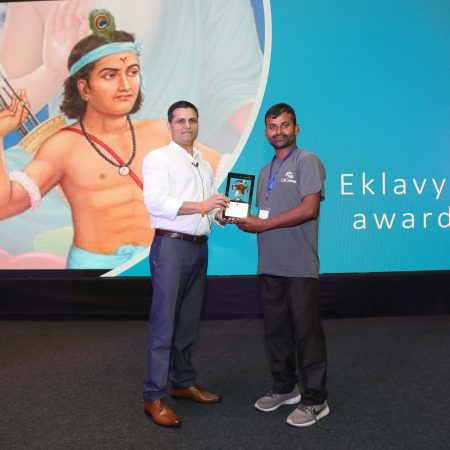
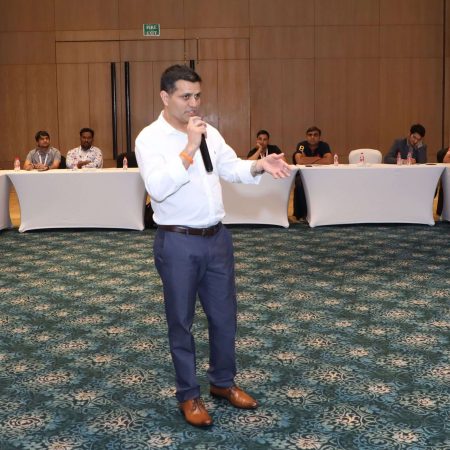
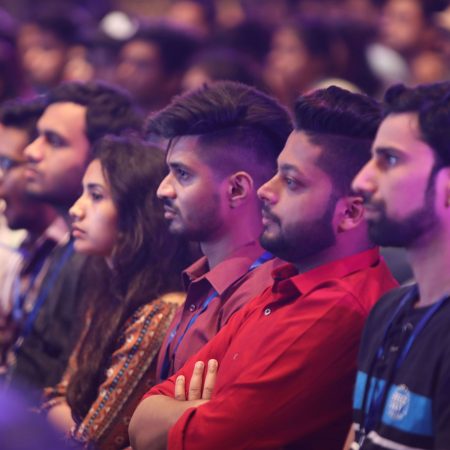
1, CBD, Maharaj Surajmal Road, Near Yamuna Sports Complex, Delhi, 110032
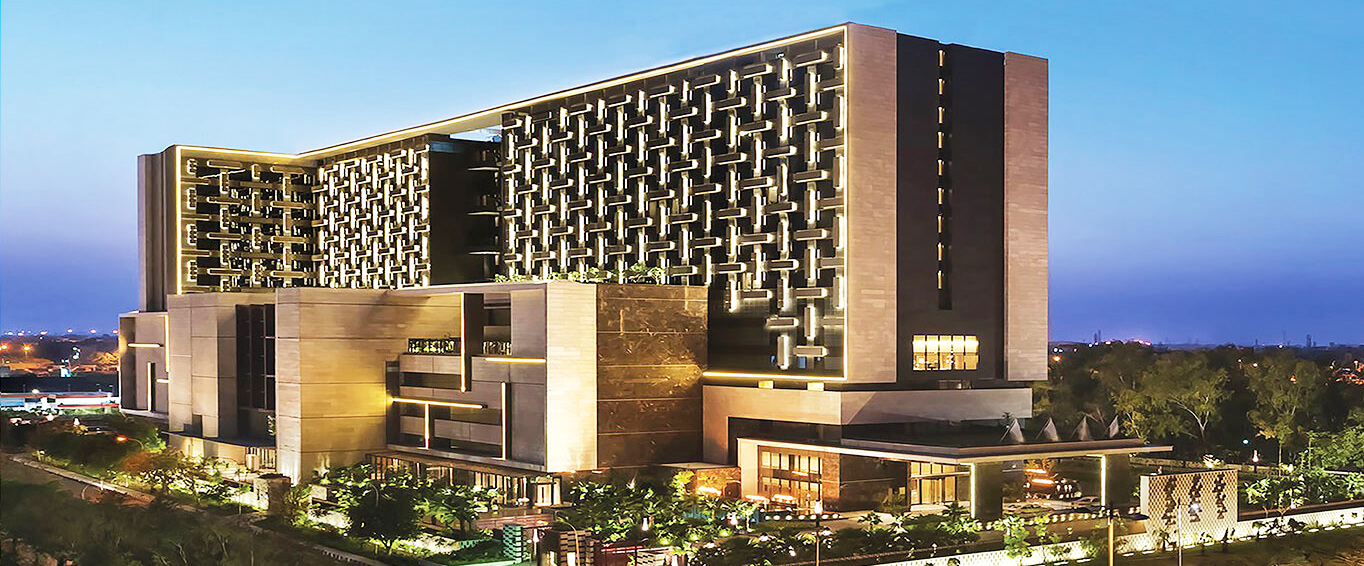




GENERAL QUERIES
Manish Tewatia
manish@csharpcon.com
+91-9718-431-042
TICKET QUERIES
Atul Gupta
conference@csharpcon.com
+91-9910-125-804