
Presents


Magnus Mårtensson
Microsoft Regional Director, Azure MVP, CEO Loftysoft

Avirag Jain
Director & CTO R Systems
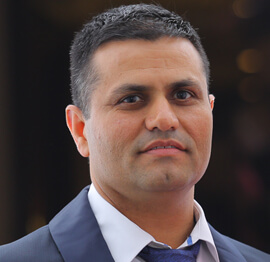
Mahesh Chand
Founder C# Corner, CEO Mindcracker

Chris Gali
CEO & Co-Founder Graphite

Subinder Khurana
Chief Architect StoryProcess, Founder NASSCOM DeepTech Club

Bryan Rishforth
Investor, Chairman Graphite

Bryn Everson
Director Biz Dev Graphite
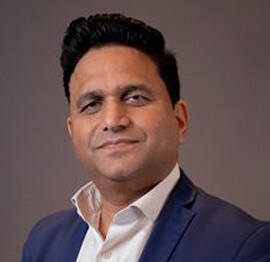
Raj Tiwari
Digital Transformation Leader, Futurist and Visionary

Joseph Guadagno
Microsoft MVP, Lead Quicken Loans

Nikita Sachdev
Entrepreneur, Blockchain Enthusiast & Advisor, Social Media Influencer

Doug Wagner
COO & Founder Adapt Technical Group

Ritesh Modi
Architect, Senior Evangelist, Cloud Architect

Crystal Wenrick
Director Communications Mindcracker

Allen O’Neill
Microsoft MVP, Consulting Engineer/Architect
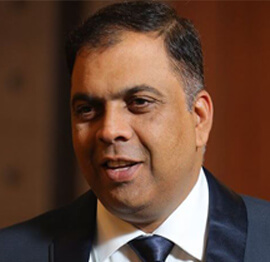
Praveen Kumar
CEO MCN Solutions

Chris Love
Founder Love2Dev, Microsoft MVP, Author

Sanjay Vyas
Microsoft Regional Director, Microsoft MVP, Founder & CEO SkillLabs Technologies

Veena Sarda
Deep Learning Consultant, Author

Sekhar Srinivasan
C# Corner MVP, Microsoft Certified Trainer, Pluralsight Author

Lalit Bansal
Founder & CEO - EIY SYS

Navdeep Garg
CEO Revinfotech

Prakash Tripathi
Tech Manager/Leader, Microsoft MVP, Blogger
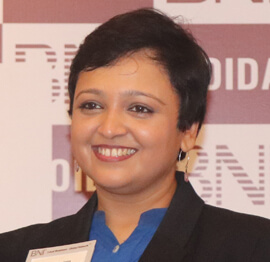
Bhavna Jain
Breakthrough Consultant

Naveen Sharma
Enterprise Architect, Leadership Coach, Author

Vidya Vrat Agarwal
Principal Architect, Microsoft MVP, Author

Sheetal Agarwal
Founder Clownselors, Medical Clown, Trainer

Abhishek Kant
Founder GTM Catalyst

Vishnu Saran
Founder & CEO VoiceQube

Sandeep Soni
Founder & CEO Deccansoft, Microsoft Certified Trainer

Parveen Malik
AVP InfoSec & Vulnerability Management, Information Security Expert

Nitin Pandit
Microsoft MVP, Developer Evangelist, Author

Niloshima Srivastava
C# Corner MVP, Tech Architect, Trainer, Blogger

Bala Chirtsabesan
Senior Software Engineer at Microsoft, Author

Manoj Mittal
Sr. Technical Architect, C# Corner MVP, Author

Chandni Di
Co-Founder Voice of Slum

Vithal Wadje
Technical Lead, Microsoft MVP, Author

Shivam Ahuja
Founder SkillCircle, Business Mentor

Chervine Bhiwoo
Solution Architect, Microsoft MVP, Author

Saurabh Jain
Vice President Paytm, Founder Fun2Do Labs, Author

Vinay Solanki
Head IoT at Lenovo, Founder IoT-NCR

Anshu kumari
Founder Blockchainkids, Inventor, Trainer

Amit Singal
CEO Startup Buddy

Dev Pratap
Co-Founder & CEO Voice of Slum

Amey Vartak
Technology Consultant, Full Stack Developer, C# Corner MVP, Author

Viswanatha Swamy
Principal Software Engineer, C# Corner MVP, Author

Sanket Verma
Research Engineer @ Ballistics (Forensics) and Chair, PyData Delhi

Sourabh Somani
Lead Developer, Microsoft MVP, Author

Abhishek Mishra
Software Architect, C# Corner MVP, Author

Siddharth Vaghasia
Technical Consultant, C# Corner MVP, Blogger
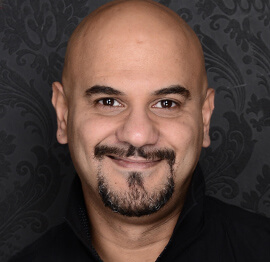
Bassam Alugili
Senior Software Specialist, Database Expert

S Ravi Kumar
Solution Architect, C# Corner MVP, Author

Sundaram Subramanian
Full Stack Developer, C# Corner MVP, Speaker

Deepesh Somani
Solution Architect, Microsoft MVP, Author

Debasis Saha
Technical Project Manager, C# Corner MVP, Blogger, Author

Vipul Jain
Software Architect, C# Corner MVP, Author

Akshay Patel
Technical Architect, Microsoft Certified Trainer, C# Corner MVP, Author

Stephen Simon
RPA Developer, Evangelist, Author

Vivek Sharma
Founder Kingster636, AR/VR Specialist

Jeetendra Gund
Technical Lead, C# Corner MVP, Author

Sujal Beniwal
AI Enthusiast, Student

M Viknaraj
Microsoft MVP, Azure Architect, Author

Prasham Sabadra
Software Architect, C# Corner MVP, Trainer, Author

Aakash Maurya
Senior Developer, C# Corner MVP, Speaker

Ankit Sharma
Senior Software Engineer, C# Corner MVP, Author

Mangesh Gaherwar
Team Lead, C# Corner MVP, Author

Viral Jain
Technical Consultant, C# Corner MVP, Author

Bhasker Das
Solution Architect, Evangelist

Manish Dwivedi
Associate Project Manager

Ck Nitin
Programmer, Author

Rohit Gupta
Technical Trainer, Author

Manish Tewatia
Full-stack Marketer, UX Designer

Bhavya Gaur
Technical Illustrator

Rohit Tomar
SEO/SMO Expert
Web Track
Cloud & Data Track
Dev Track
Registration & Breakfast
Future of Desktop Apps with JS (ElectronJs)
Nitin Pandit
Building Serverless Microservices Using Microsoft Azure
Vithal Wadje
Innovating RPA: A Robot for Every Person
Stephen Simon
Managing Cloud Storage Accounts using Logic Apps
Viknaraj Manogararajah
Data visualization using Python
Sekhar Srinivasan
Going Cross platform with AR Foundation
Vivek Sharma
Keynote
Managing your Azure dependencies in ASP.NET Core apps using VS
Bala Chirtsabesan
Securing Applications on Intelligent Azure
Abhishek Mishra
Getting started with Blazor the Framework of Future
S Ravi Kumar
Lunch
Build Progressive Web Apps using Angular 9
Debasis Saha
Build and deploy to any platform using Azure DevOps
Chervine Bhiwoo
Deep Dive in Azure Service Bus
Akshay Patel
Build a Native Mobile Application using React Native and JavaScript
Joseph Guadagno
Making sense of Web Job, Web Job SDK and Functions in Azure
Prakash Tripathi
CloudFront Distribution in AWS
Viral Jain
Tea Break
Introduction to PowerBI
Aakash Maurya
Build Advanced SPFx solutions with React and Graph API
Siddharth Vaghasia
Build Business Intelligence Analyst (BIA) Skills
Sundaram Subramanian
Deep dive of Power Platform – AI BUILDER
Prasham Sabadra
Panel 1
What's new in SharePoint development
Vipul Jain
Build a SSO (Single Sign On) based Native JavaScript application with Microsoft Identity within 10 minutes
Manoj Mittal
Panel 2
Applications and working of AI
Veena Sarda
Deploying serverless API's with .Net core 3.0 on AWS & Azure
Amey Vartak
Panel 3
Blockchain with .NET Core (Ark)
Anshu Kumari
Closing Note & Prize Distribution
Dev Track
Cloud Track
Architecture Track
Emerging Tech Track
Registration & Breakfast
Creating Full-Stack Web Apps Using Server-Side Blazor
Ankit Sharma
Real time face recognition with MS Cognitive Services
Niloshima Srivastava
Building Scalable APIs with GraphQL
Jeetendra Gund
Future of development with AI and Blockchain
Navdeep Garg
Debugging Tips and Tricks with Visual Studio 2019
Joseph Guadagno
Azure Containers
Abhishek Kant
Enterprise Architecture
Naveen Sharma
Bot Framework - learn it fast and look like a boss!
Allen O’Neill
Keynote
.Net Core & C# 8 Performance
David McCarter
Working with Azure kubernetes services
Ritesh Modi
Becoming an Architect
Vidyavrat Agarwal
Why Techies Need to Learn Product Management
Saurabh Jain
Lunch
Build a rules engine in .Net Core
Sanjay Vyas
Building CI and CD Pipeline using Azure DevOps
Sandeep Soni
Entity Framework Core - Tips and Tricks, Performance Optimization, and Tuning
Bassam Alugili
Hacking your way into Data Science
Sanket Verma
Speed up your .Net Core Website
Sourabh Somani
Azure
Magnus Mårtensson
Demystifying Open Distro for Elasticsearch
Suman Debnath
Future of Data
Shivam Ahuja
Tea Break
gRPC with C# and .Net Core
Mangesh Gaherwar
Panel 1
Essentials of Cloud security
Parveen Malik
Power platform and Dynamics 365
Deepesh Somani
Microservices - the gRPC Way
Viswanatha Swamy
Panel 2
Reserved
Reserved
Closing Note & Prize Distribution
Implementing a Message Bus with RabbitMQ and MassTransit in .NET
A message bus gives .NET services a way to exchange work without calling one another directly. Instead of embedding network calls and timeout rules in every producer, an application publishes a message to RabbitMQ and lets the broker route it to the appropriate consumers.
RabbitMQ is the AMQP broker, while MassTransit supplies the .NET-side abstractions for publishing, consuming, retries and diagnostics. That separation keeps application code focused on business contracts, while the messaging team manages exchanges, queues, permissions and resilience.
The C# Corner Annual Conference 2020 covered cloud, DevOps, data and modern application development. Message-driven design connects those areas through a production pattern that teams can test locally, run in containers and scale as workloads grow.
Why distributed systems need a message bus
Without a message bus, each upstream service must know where downstream processing happens. A synchronous dependency spreads timeout handling, retries and payload versioning across the estate, so a small integration change can become a coordinated release.
A brokered workflow reverses that dependency. The producer knows only the contract it publishes; consumers subscribe independently and may run at different speeds. RabbitMQ buffers work between them, absorbing short traffic peaks without forcing either side to scale in lockstep.
The pattern suits integrations that do not need an immediate response, such as order processing, audit records or notifications. It also gives teams a durable boundary around unstable dependencies. That boundary still requires deliberate handling of duplicate delivery, poison messages and broker outages.
RabbitMQ and MassTransit have different jobs
RabbitMQ owns the transport layer. It exchanges messages through AMQP, stores them in queues, acknowledges consumption and supports multiple routing patterns. Durable queues, persistent messages and publisher confirms help protect work when a consumer or broker instance stops unexpectedly.
MassTransit adds an idiomatic .NET programming model over that transport. It provides publish and consume endpoints, scoped consumers, retry policies, dead-letter endpoints, sagas and health checks. It can also visualise message flow during development, shortening the feedback loop for debugging.
The division of responsibility is useful in Australian delivery teams where application engineers and platform specialists may sit in separate squads. The product team can own a contract without becoming responsible for broker topology, and the operations team can harden RabbitMQ without rewriting business handlers.
Designing contracts, exchanges and queues
Treat the message contract as a public API. Use immutable records or classes with clear names, stable identifiers and explicit units. Past-tense event names such as OrderCreated describe facts; command names such as ProcessOrder describe an intention and usually have one logical handler.
RabbitMQ needs an exchange, a queue and a binding to move a message. Producers publish to the exchange with a routing key, and matching queues retain the message until consumers acknowledge it. Consumers within one queue share the load, while each bound queue receives its own copy.
MassTransit can create conventional exchanges and endpoints automatically, but explicit names make deployments easier to inspect. Version contracts additively, keep breaking changes in a new message type and preserve the old consumer until every producer has migrated. Avoid embedding internal database entities in payloads, because their shape can change for unrelated reasons.
Comparing delivery and failure strategies
RabbitMQ routing primitives suit different communication shapes, and MassTransit can use them beneath familiar endpoint abstractions.
| RabbitMQ primitive | Routing behaviour | Message distribution | Common .NET use |
|---|---|---|---|
| Direct exchange | Matches an exact routing key | Copies to every matching bound queue | Commands or work with a specific destination |
| Topic exchange | Matches wildcard routing-key patterns | Copies to every matching bound queue | Domain events consumed by several services |
| Fanout exchange | Ignores the routing key | Copies to every bound queue | Broadcast notifications or cache invalidation |
| Headers exchange | Matches selected message headers | Copies to every matching bound queue | Uncommon metadata-driven routing |
Each bound queue receives a copy, then its consumers compete for that queue’s messages. This distinction prevents a common design error: assuming that publishing once invokes several handlers in parallel. It does not unless the topology creates separate queues and bindings.
Delivery is usually at least once. A handler can commit its work and fail before the acknowledgement reaches RabbitMQ, causing redelivery. The safe response is an idempotent handler, often supported by an inbox table that stores a processed message identifier with the business change in the same database transaction.
Publishing and consuming messages in .NET
Start with a small contract and a real broker. Install the MassTransit RabbitMQ transport, then register the consumer and connection details through configuration rather than embedding credentials in source control:
var rabbit = builder.Configuration.GetSection("RabbitMq");

builder.Services.AddMassTransit(x =>
{
    x.AddConsumer<OrderCreatedConsumer>();

    x.UsingRabbitMq((context, cfg) =>
    {
        cfg.Host(rabbit["Host"]!, 5671, h =>
        {
            h.Username(rabbit["User"]!);
            h.Password(rabbit["Password"]!);
            h.UseSsl();
        });

        cfg.ConfigureEndpoints(context);
    });
});
The handler receives a scoped dependency and applies the event once. In production code, ApplyOnceAsync would record the message identifier and update the business data within one transaction:
public sealed record OrderCreated(
    Guid OrderId,
    string CustomerId,
    decimal Total);

public sealed class OrderCreatedConsumer(IOrderStore store)
    : IConsumer<OrderCreated>
{
    public async Task Consume(ConsumeContext<OrderCreated> context)
    {
        await store.ApplyOnceAsync(
            context.MessageId,
            context.Message);
    }
}
Publish through MassTransit’s IPublishEndpoint so retry, serialisation and transport concerns remain inside the framework:
await publishEndpoint.Publish(new OrderCreated(
    order.Id,
    order.CustomerId,
    order.Total));
Use an outbox when database state and message publication must stay consistent. Commit the domain change and outbox row together, then relay the row to RabbitMQ. This removes the dual-write failure in which a database commit succeeds but a direct publish fails. Configure durable queues, persistent messages, publisher confirms and bounded prefetch according to the workload rather than accepting broker defaults blindly.
Running RabbitMQ reliably across Australia
For production, decide deliberately between a self-managed cluster and a managed RabbitMQ service. A Kubernetes deployment can provide multiple replicas and multi-zone placement, but it still needs storage, upgrades, backups and trained operators. Quorum queues are often preferable where the supported RabbitMQ version and workload allow them. Verify that a managed provider actually hosts the service in the required Australian region.
Microsoft Azure offers Australia East in Sydney, Australia Southeast in Melbourne and Australia Central in Canberra. Those regions let teams keep workloads and backups within Australia when policy requires it, but choosing an Australian region does not automatically remove cross-zone failure. RabbitMQ nodes, persistent storage and consumers still need an explicit resilience design.
Time-zone and communication details belong in the runbook. Perth is usually two hours behind Sydney and Melbourne, and daylight-saving changes can widen the gap to three hours, so alerts need UTC timestamps or explicit Australian time-zone labels. Australian workplace conversations are often direct and informal; “yeah, no worries, we’ll sort it out” can signal ownership, but an escalation must still name an owner, severity and response time. Many organisations buy cloud and integration support through Microsoft partners, making support hours and escalation paths part of the operating model.
Practical patterns for Australian .NET teams
A delivery-contract checklist covers the code-level controls:
- Use a stable event name, an immutable payload and a documented owner.
- Assume at-least-once delivery and make every handler safe to repeat.
- Store the processed message identifier with the business update in one transaction.
- Add fields compatibly, version breaking changes and retire old contracts deliberately.
Operational readiness needs a different focus:
- Monitor queue depth, unacknowledged messages, redeliveries, publish latency and connection health.
- Test broker loss, consumer restarts, poison messages and deployment rollbacks.
- Spread replicas and consumers across failure zones, then verify failover under load.
- Keep a runbook with broker ownership, alert routes, recovery steps and Australian support hours.
Used together, these practices turn a queue from a convenient integration shortcut into a dependable service boundary. RabbitMQ provides the durable transport, while MassTransit gives .NET teams the contracts, delivery controls and diagnostics needed to operate it with confidence.








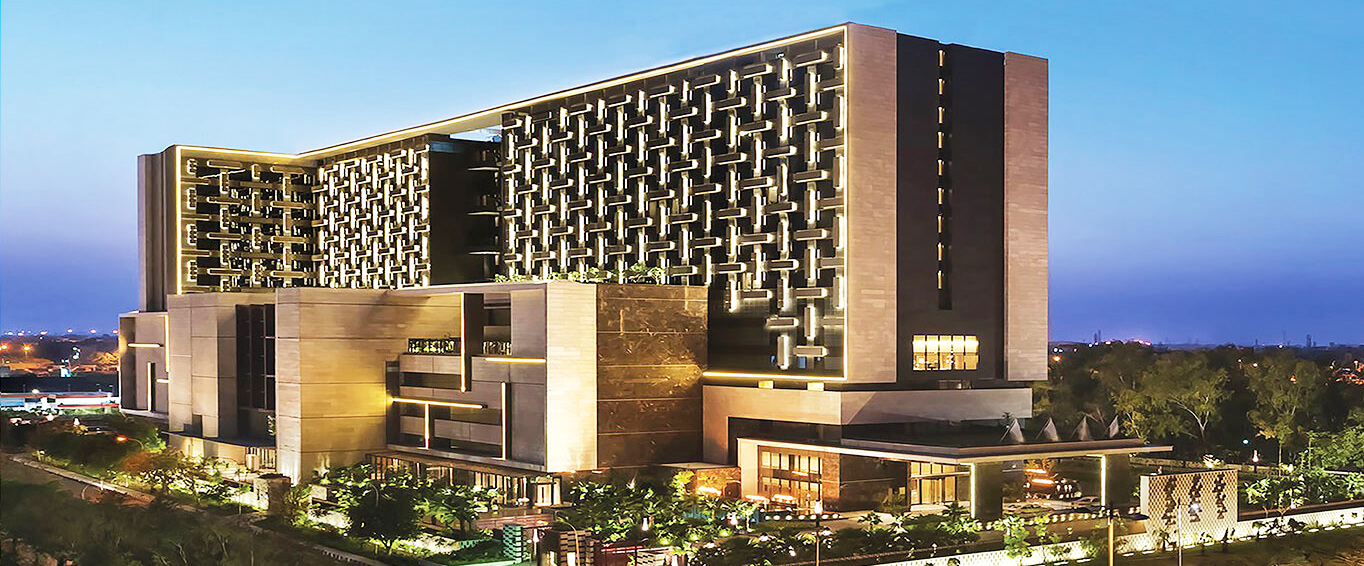
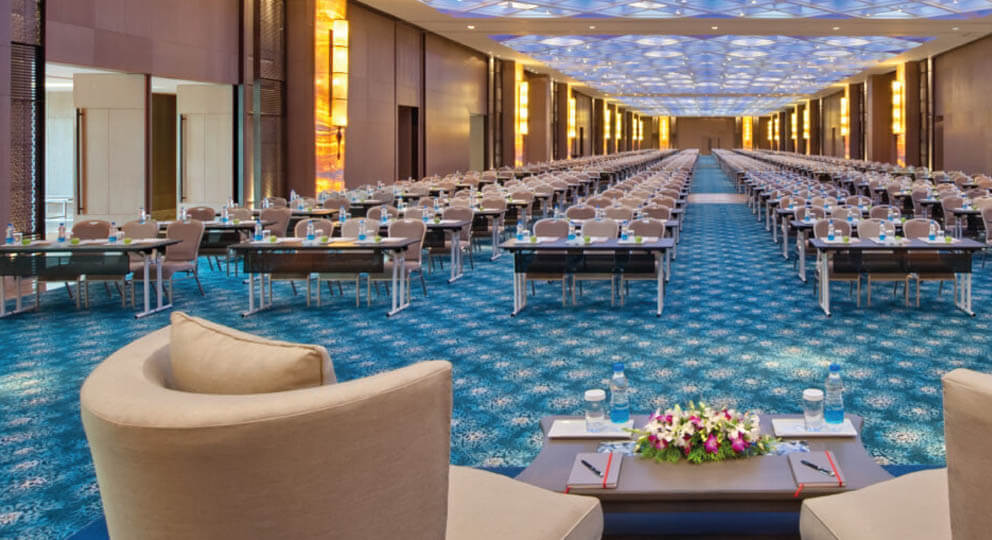
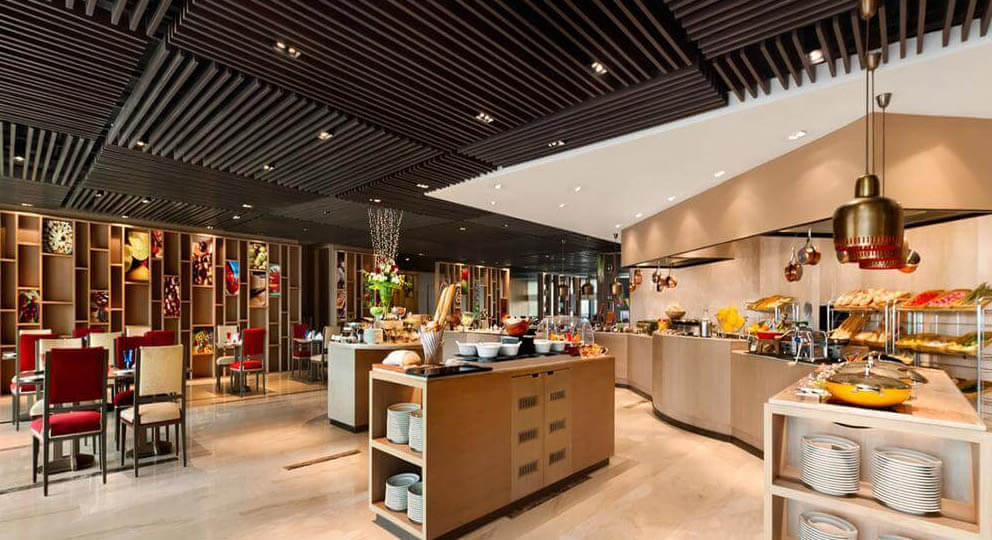
1, CBD, Maharaj Surajmal Road, Near Yamuna Sports Complex, Delhi, 110032


GENERAL QUERIES
Manish Tewatia
manish@csharpcon.com
+91-9718-431-042
TICKET QUERIES
Atul Gupta
conference@csharpcon.com
+91-9910-125-804