

Presents


Magnus Mårtensson
Microsoft Regional Director, Azure MVP, CEO Loftysoft
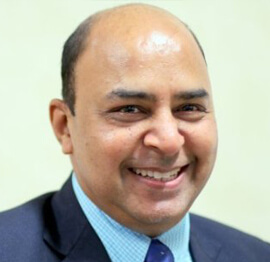
Avirag Jain
Director & CTO R Systems

Mahesh Chand
Founder C# Corner, CEO Mindcracker

Chris Gali
CEO & Co-Founder Graphite

Subinder Khurana
Chief Architect StoryProcess, Founder NASSCOM DeepTech Club

Bryan Rishforth
Investor, Chairman Graphite

Bryn Everson
Director Biz Dev Graphite
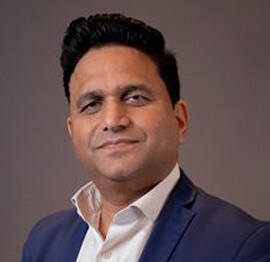
Raj Tiwari
Digital Transformation Leader, Futurist and Visionary

Joseph Guadagno
Microsoft MVP, Lead Quicken Loans

Nikita Sachdev
Entrepreneur, Blockchain Enthusiast & Advisor, Social Media Influencer

Doug Wagner
COO & Founder Adapt Technical Group

Ritesh Modi
Architect, Senior Evangelist, Cloud Architect

Crystal Wenrick
Director Communications Mindcracker

Allen O’Neill
Microsoft MVP, Consulting Engineer/Architect
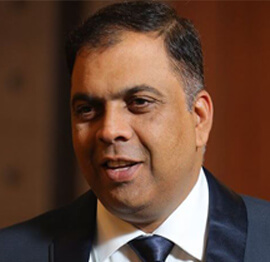
Praveen Kumar
CEO MCN Solutions

Chris Love
Founder Love2Dev, Microsoft MVP, Author

Sanjay Vyas
Microsoft Regional Director, Microsoft MVP, Founder & CEO SkillLabs Technologies

Veena Sarda
Deep Learning Consultant, Author

Sekhar Srinivasan
C# Corner MVP, Microsoft Certified Trainer, Pluralsight Author

Lalit Bansal
Founder & CEO - EIY SYS

Navdeep Garg
CEO Revinfotech

Prakash Tripathi
Tech Manager/Leader, Microsoft MVP, Blogger
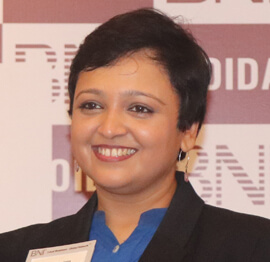
Bhavna Jain
Breakthrough Consultant

Naveen Sharma
Enterprise Architect, Leadership Coach, Author
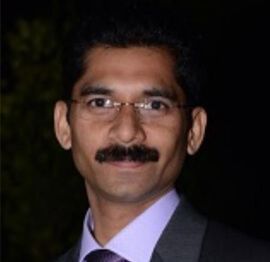
Vidya Vrat Agarwal
Principal Architect, Microsoft MVP, Author

Sheetal Agarwal
Founder Clownselors, Medical Clown, Trainer

Abhishek Kant
Founder GTM Catalyst

Vishnu Saran
Founder & CEO VoiceQube

Sandeep Soni
Founder & CEO Deccansoft, Microsoft Certified Trainer

Parveen Malik
AVP InfoSec & Vulnerability Management, Information Security Expert

Nitin Pandit
Microsoft MVP, Developer Evangelist, Author

Niloshima Srivastava
C# Corner MVP, Tech Architect, Trainer, Blogger

Bala Chirtsabesan
Senior Software Engineer at Microsoft, Author

Manoj Mittal
Sr. Technical Architect, C# Corner MVP, Author

Chandni Di
Co-Founder Voice of Slum

Vithal Wadje
Technical Lead, Microsoft MVP, Author

Shivam Ahuja
Founder SkillCircle, Business Mentor

Chervine Bhiwoo
Solution Architect, Microsoft MVP, Author

Saurabh Jain
Vice President Paytm, Founder Fun2Do Labs, Author

Vinay Solanki
Head IoT at Lenovo, Founder IoT-NCR

Anshu kumari
Founder Blockchainkids, Inventor, Trainer

Amit Singal
CEO Startup Buddy

Dev Pratap
Co-Founder & CEO Voice of Slum

Amey Vartak
Technology Consultant, Full Stack Developer, C# Corner MVP, Author

Viswanatha Swamy
Principal Software Engineer, C# Corner MVP, Author

Sanket Verma
Research Engineer @ Ballistics (Forensics) and Chair, PyData Delhi

Sourabh Somani
Lead Developer, Microsoft MVP, Author

Abhishek Mishra
Software Architect, C# Corner MVP, Author

Siddharth Vaghasia
Technical Consultant, C# Corner MVP, Blogger
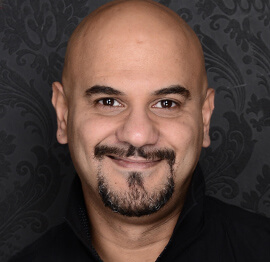
Bassam Alugili
Senior Software Specialist, Database Expert

S Ravi Kumar
Solution Architect, C# Corner MVP, Author

Sundaram Subramanian
Full Stack Developer, C# Corner MVP, Speaker

Deepesh Somani
Solution Architect, Microsoft MVP, Author

Debasis Saha
Technical Project Manager, C# Corner MVP, Blogger, Author

Vipul Jain
Software Architect, C# Corner MVP, Author

Akshay Patel
Technical Architect, Microsoft Certified Trainer, C# Corner MVP, Author

Stephen Simon
RPA Developer, Evangelist, Author

Vivek Sharma
Founder Kingster636, AR/VR Specialist

Jeetendra Gund
Technical Lead, C# Corner MVP, Author

Sujal Beniwal
AI Enthusiast, Student

M Viknaraj
Microsoft MVP, Azure Architect, Author

Prasham Sabadra
Software Architect, C# Corner MVP, Trainer, Author

Aakash Maurya
Senior Developer, C# Corner MVP, Speaker

Ankit Sharma
Senior Software Engineer, C# Corner MVP, Author

Mangesh Gaherwar
Team Lead, C# Corner MVP, Author

Viral Jain
Technical Consultant, C# Corner MVP, Author

Bhasker Das
Solution Architect, Evangelist

Manish Dwivedi
Associate Project Manager

Ck Nitin
Programmer, Author

Rohit Gupta
Technical Trainer, Author

Manish Tewatia
Full-stack Marketer, UX Designer

Bhavya Gaur
Technical Illustrator

Rohit Tomar
SEO/SMO Expert
Web Track
Cloud & Data Track
Dev Track
Registration & Breakfast
Future of Desktop Apps with JS (ElectronJs)
Nitin Pandit
Building Serverless Microservices Using Microsoft Azure
Vithal Wadje
Innovating RPA: A Robot for Every Person
Stephen Simon
Managing Cloud Storage Accounts using Logic Apps
Viknaraj Manogararajah
Data visualization using Python
Sekhar Srinivasan
Going Cross platform with AR Foundation
Vivek Sharma
Keynote
Managing your Azure dependencies in ASP.NET Core apps using VS
Bala Chirtsabesan
Securing Applications on Intelligent Azure
Abhishek Mishra
Getting started with Blazor the Framework of Future
S Ravi Kumar
Lunch
Build Progressive Web Apps using Angular 9
Debasis Saha
Build and deploy to any platform using Azure DevOps
Chervine Bhiwoo
Deep Dive in Azure Service Bus
Akshay Patel
Build a Native Mobile Application using React Native and JavaScript
Joseph Guadagno
Making sense of Web Job, Web Job SDK and Functions in Azure
Prakash Tripathi
CloudFront Distribution in AWS
Viral Jain
Tea Break
Introduction to PowerBI
Aakash Maurya
Build Advanced SPFx solutions with React and Graph API
Siddharth Vaghasia
Build Business Intelligence Analyst (BIA) Skills
Sundaram Subramanian
Deep dive of Power Platform – AI BUILDER
Prasham Sabadra
Panel 1
What's new in SharePoint development
Vipul Jain
Build a SSO (Single Sign On) based Native JavaScript application with Microsoft Identity within 10 minutes
Manoj Mittal
Panel 2
Applications and working of AI
Veena Sarda
Deploying serverless API's with .Net core 3.0 on AWS & Azure
Amey Vartak
Panel 3
Blockchain with .NET Core (Ark)
Anshu Kumari
Closing Note & Prize Distribution
Dev Track
Cloud Track
Architecture Track
Emerging Tech Track
Registration & Breakfast
Creating Full-Stack Web Apps Using Server-Side Blazor
Ankit Sharma
Real time face recognition with MS Cognitive Services
Niloshima Srivastava
Building Scalable APIs with GraphQL
Jeetendra Gund
Future of development with AI and Blockchain
Navdeep Garg
Debugging Tips and Tricks with Visual Studio 2019
Joseph Guadagno
Azure Containers
Abhishek Kant
Enterprise Architecture
Naveen Sharma
Bot Framework - learn it fast and look like a boss!
Allen O’Neill
Keynote
.Net Core & C# 8 Performance
David McCarter
Working with Azure kubernetes services
Ritesh Modi
Becoming an Architect
Vidyavrat Agarwal
Why Techies Need to Learn Product Management
Saurabh Jain
Lunch
Build a rules engine in .Net Core
Sanjay Vyas
Building CI and CD Pipeline using Azure DevOps
Sandeep Soni
Entity Framework Core - Tips and Tricks, Performance Optimization, and Tuning
Bassam Alugili
Hacking your way into Data Science
Sanket Verma
Speed up your .Net Core Website
Sourabh Somani
Azure
Magnus Mårtensson
Demystifying Open Distro for Elasticsearch
Suman Debnath
Future of Data
Shivam Ahuja
Tea Break
gRPC with C# and .Net Core
Mangesh Gaherwar
Panel 1
Essentials of Cloud security
Parveen Malik
Power platform and Dynamics 365
Deepesh Somani
Microservices - the gRPC Way
Viswanatha Swamy
Panel 2
Reserved
Reserved
Closing Note & Prize Distribution
Building Resilient C# Pipelines with System.Threading.Channels
Cloud services and line-of-business tools often turn a stream of work into several stages: validate, enrich, persist, then publish. When those stages run within one request, a slow dependency makes the caller wait. When they run as independent tasks, failures and queue growth become harder to see. A pipeline pattern gives each stage a narrow responsibility and connects the stages through asynchronous channels.
System.Threading.Channels is a first-party .NET library for in-process producer-consumer communication. It supports bounded and unbounded capacity, asynchronous reads and writes, cancellation, and explicit completion. That makes it a practical building block for C# workloads needing backpressure, predictable shutdown, and clear ownership without introducing a broker for every internal handoff.
Why channels work well in request-driven systems
The core abstraction pairs a ChannelReader<T> with a ChannelWriter<T>. A producer writes work, while one or more consumers read it. Because ReadAsync and WriteAsync cooperate with the thread pool, a blocked stage does not tie up a worker thread. In ASP.NET Core, handlers can enqueue work quickly while background services perform heavier validation, transformation, or I/O away from the request path.
Capacity is the most important design decision. CreateBounded<T>(100) applies backpressure when 100 items are waiting: the next WriteAsync waits for capacity rather than silently allocating more memory. CreateUnbounded<T> simplifies low-volume flows but shifts the risk to memory if the consumer cannot keep up. Unbounded is not automatically faster; it merely moves the queueing cost to wherever the backlog eventually becomes a problem.
Completion travels forward through the pipeline. When the final producer calls TryComplete on its writer, readers can drain existing work and then observe the closed channel. Exceptions can also be carried through TryComplete(exception), although the pipeline must define how failed items are recorded or replayed. This explicit lifecycle is valuable during deployment, when a service should finish its current work before the process exits.
Designing stages with explicit contracts
Start with a message that represents the work instead of a loose collection of mutable fields. An envelope can carry an identifier, payload, attempt count, and timestamps. A record such as OrderEnvelope gives each stage a stable contract and makes duplicates visible if processing is retried.
public sealed record OrderEnvelope(
    Guid Id,
    OrderPayload Payload,
    int Attempt,
    DateTimeOffset CreatedAt);

var input = Channel.CreateBounded<OrderEnvelope>(100);
var validated = Channel.CreateBounded<ValidatedOrder>(100);
Each transformation should have its own reader and writer. A stage reads from one channel, performs one bounded responsibility, and writes to the next. It completes its output writer when its input is exhausted. Keep domain validation separate from infrastructure concerns such as logging and retries. That separation allows the same stage to run inside a web process, a worker service, or a test using an in-memory channel.
Concurrency also needs an explicit policy. Multiple readers can increase throughput, but they remove a simple one-item-one-consumer relationship and may complete related work out of sequence. If ordering matters, use one reader per ordered stream or partition work by a stable key such as tenant or customer identifier. Reserve the SingleReader and SingleWriter options for cases where the application genuinely guarantees those access patterns.
Choosing queue behaviour deliberately
No internal queue is universally best. Consider the lifetime of the producer, expected bursts, ordering guarantees, operational visibility, and whether work must survive a process restart. Channels live in memory and are excellent for short-lived handoffs; they are not a substitute for durable messaging when events must be retained, replayed, or delivered across independently scaled services.
| Approach | Backpressure | Durability | Async fit | Typical use |
|---|---|---|---|---|
Bounded System.Threading.Channels |
Explicit capacity | In-memory | Excellent | Stage-to-stage work in one service |
Unbounded System.Threading.Channels |
Limited control | In-memory | Excellent | Small, low-volume producers |
ConcurrentQueue<T> |
No native capacity limit | In-memory | Good with custom waiting | Simple producer-consumer code |
BlockingCollection<T> |
Bounded blocking collection | In-memory | Better for thread workers | Legacy thread-oriented workloads |
| External message broker | Configurable policies | Durable | Excellent | Cross-service delivery and replay |
A bounded channel is usually the safest default for a C# pipeline. It lets upstream work slow naturally, exposes capacity as a tuning parameter, and preserves the asynchronous programming model used by the rest of a modern .NET service. A broker becomes appropriate at the service boundary when delivery guarantees or independent deployment justify the operational cost.
Choose capacity from measured service time rather than a memorable round number. If consumers average 50 milliseconds per item and producers create 400 items per second, 100 slots represent only 250 milliseconds of buffer. That may be too little to absorb a burst, yet still too much for strict latency objectives. Load tests should vary both arrival rate and downstream latency.
Handling failure cancellation and observability
A channel transports messages; it does not decide what a poison message means. Catch an expected domain failure around each item, record it with the envelope identifier and stage name, and route it to a retry path or dead-letter store. Retries need an attempt limit and delay; otherwise, a dependency outage can create a tight failure loop. Completing a channel with an exception can signal a broken stage, but it should not obscure the original error.
Cancellation must reach every await. Pass the host’s stopping token into WaitToReadAsync, ReadAsync, WriteAsync, and the stage’s external calls. Treat cancellation separately from operational failure: a cancelled operation normally means shutdown, whereas an exception means the item or stage needs attention. A BackgroundService can then stop accepting new work, let cancellation end active operations, and complete downstream channels in the correct order.
Observability should reveal queue pressure rather than merely show that messages flowed. Track enqueue and dequeue counts, estimated depth, write-wait duration, processing duration, failures, retries, and channel completion. In .NET, Activity tracing and OpenTelemetry baggage can carry a message or correlation identifier from producer to consumer. Logs should include that identifier so an operator can follow one order across validation and persistence without guessing which task handled it.
Use metrics to protect the service. A sustained rise in write waits indicates insufficient downstream capacity, while growing processing duration can identify a slow database or external API. Autoscaling consumers may help, but a shared external bottleneck will not disappear by adding workers. The useful alert is usually a combination of depth, latency, and error rate rather than one isolated counter.
Applying the pattern across Australian deployments
Geography matters when a pipeline includes cloud calls. Australian workloads often use Azure regions such as Australia East in New South Wales and Australia Southeast in Victoria. Place producers and consumers in the nearest suitable region to reduce latency, but keep stateful dependencies and regulatory boundaries in mind. A Sydney-based service connected to a Melbourne database still pays for every round trip, regardless of how elegant the channel code is.
Data residency and procurement can influence the boundary between channels and durable messaging. Australian financial, government, health, and resource-sector customers may ask where data is stored, who can access it, and how logs are retained. An in-process channel keeps intermediate payloads inside the application’s trust boundary, but it offers no recovery after a crash. For critical handoffs, an Azure Service Bus queue or Event Hubs topic may provide the required persistence and operational controls.
The pattern also suits the lean operational teams common among Australian SMEs and consultancies. A managed worker can host the stages while Application Insights or another telemetry platform supplies dashboards. Teams can add resilience with retry policies, deployment slots, and health probes instead of maintaining a broker cluster. That trade-off is often the fair dinkum choice: use the simplest mechanism that satisfies the delivery guarantee, then document that guarantee in an architecture decision record.
Support and demand patterns add further local constraints. Follow-the-sun operations can hand work between Sydney, Brisbane, and Perth, while daylight-saving changes affect human handovers more than UTC-based processing. Retail and finance workloads may spike around EOFY, Christmas, and major online sales events, so bounded capacity and autoscaling should be tested against those bursts. Australian engineers often call the afternoon arvo, so a request for more arvo throughput should be translated into a measured arrival rate, service-time percentile, and queue-depth budget before any limits are changed.








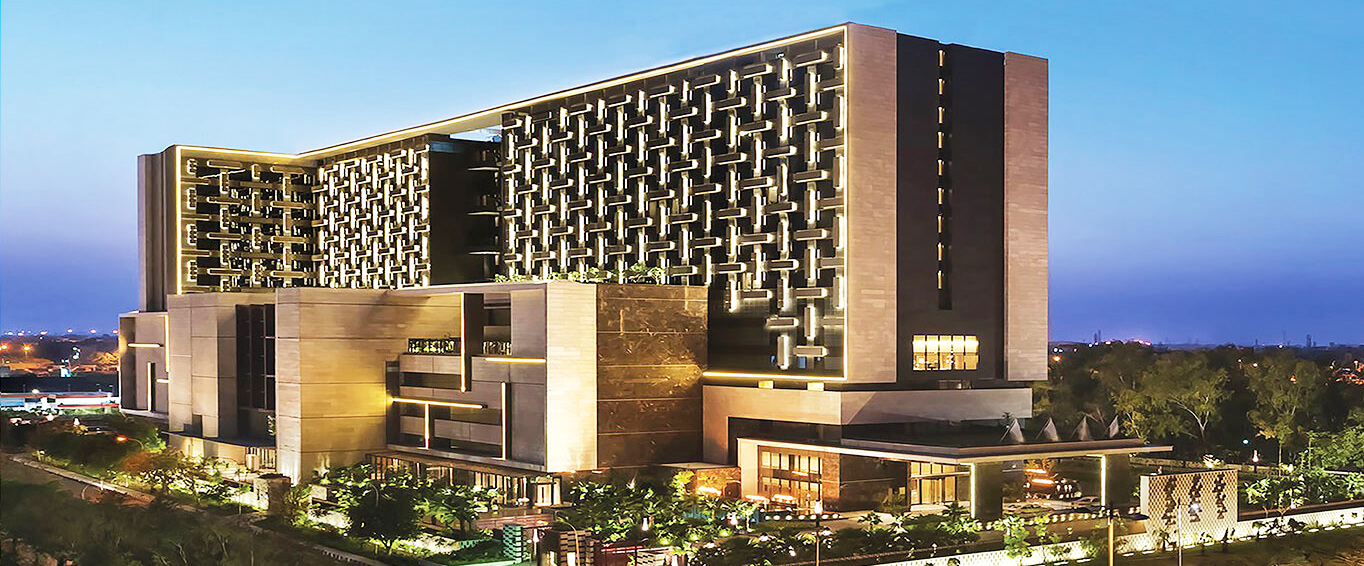
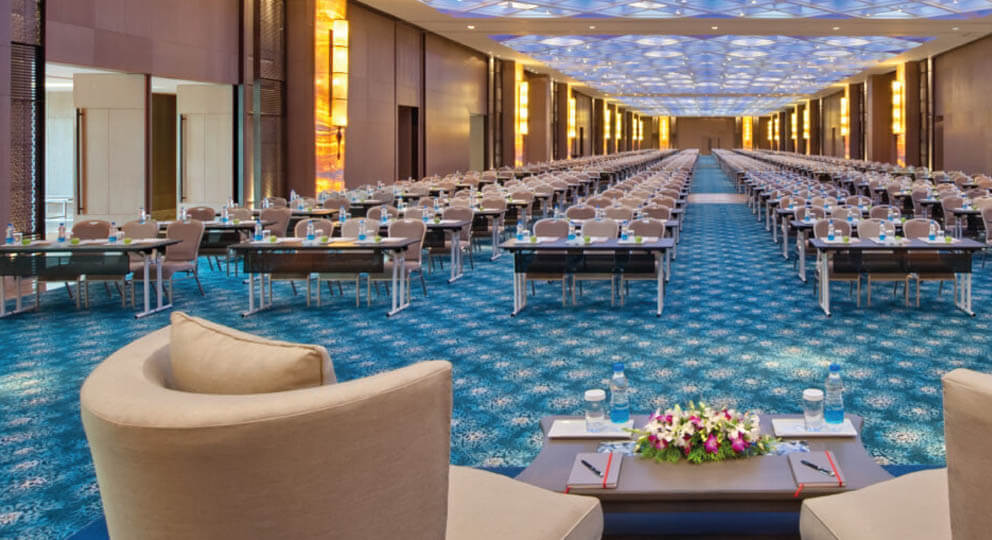
1, CBD, Maharaj Surajmal Road, Near Yamuna Sports Complex, Delhi, 110032



GENERAL QUERIES
Manish Tewatia
manish@csharpcon.com
+91-9718-431-042
TICKET QUERIES
Atul Gupta
conference@csharpcon.com
+91-9910-125-804