

Presents


Magnus Mårtensson
Microsoft Regional Director, Azure MVP, CEO Loftysoft
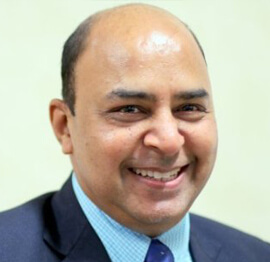
Avirag Jain
Director & CTO R Systems
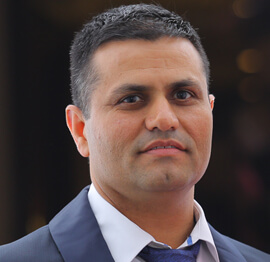
Mahesh Chand
Founder C# Corner, CEO Mindcracker

Chris Gali
CEO & Co-Founder Graphite

Subinder Khurana
Chief Architect StoryProcess, Founder NASSCOM DeepTech Club

Bryan Rishforth
Investor, Chairman Graphite

Bryn Everson
Director Biz Dev Graphite
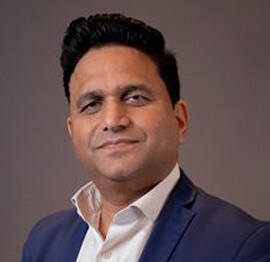
Raj Tiwari
Digital Transformation Leader, Futurist and Visionary

Joseph Guadagno
Microsoft MVP, Lead Quicken Loans

Nikita Sachdev
Entrepreneur, Blockchain Enthusiast & Advisor, Social Media Influencer

Doug Wagner
COO & Founder Adapt Technical Group

Ritesh Modi
Architect, Senior Evangelist, Cloud Architect

Crystal Wenrick
Director Communications Mindcracker

Allen O’Neill
Microsoft MVP, Consulting Engineer/Architect
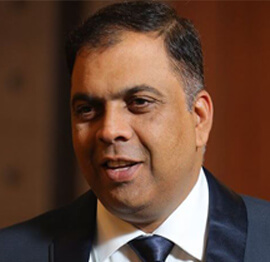
Praveen Kumar
CEO MCN Solutions

Chris Love
Founder Love2Dev, Microsoft MVP, Author

Sanjay Vyas
Microsoft Regional Director, Microsoft MVP, Founder & CEO SkillLabs Technologies

Veena Sarda
Deep Learning Consultant, Author

Sekhar Srinivasan
C# Corner MVP, Microsoft Certified Trainer, Pluralsight Author
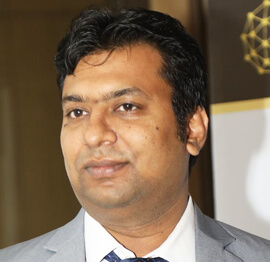
Lalit Bansal
Founder & CEO - EIY SYS

Navdeep Garg
CEO Revinfotech

Prakash Tripathi
Tech Manager/Leader, Microsoft MVP, Blogger
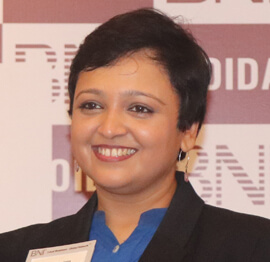
Bhavna Jain
Breakthrough Consultant

Naveen Sharma
Enterprise Architect, Leadership Coach, Author

Vidya Vrat Agarwal
Principal Architect, Microsoft MVP, Author

Sheetal Agarwal
Founder Clownselors, Medical Clown, Trainer

Abhishek Kant
Founder GTM Catalyst

Vishnu Saran
Founder & CEO VoiceQube

Sandeep Soni
Founder & CEO Deccansoft, Microsoft Certified Trainer

Parveen Malik
AVP InfoSec & Vulnerability Management, Information Security Expert

Nitin Pandit
Microsoft MVP, Developer Evangelist, Author
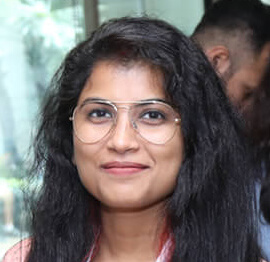
Niloshima Srivastava
C# Corner MVP, Tech Architect, Trainer, Blogger

Bala Chirtsabesan
Senior Software Engineer at Microsoft, Author

Manoj Mittal
Sr. Technical Architect, C# Corner MVP, Author

Chandni Di
Co-Founder Voice of Slum

Vithal Wadje
Technical Lead, Microsoft MVP, Author

Shivam Ahuja
Founder SkillCircle, Business Mentor

Chervine Bhiwoo
Solution Architect, Microsoft MVP, Author

Saurabh Jain
Vice President Paytm, Founder Fun2Do Labs, Author

Vinay Solanki
Head IoT at Lenovo, Founder IoT-NCR

Anshu kumari
Founder Blockchainkids, Inventor, Trainer

Amit Singal
CEO Startup Buddy
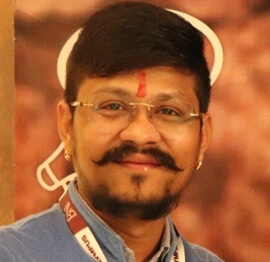
Dev Pratap
Co-Founder & CEO Voice of Slum

Amey Vartak
Technology Consultant, Full Stack Developer, C# Corner MVP, Author
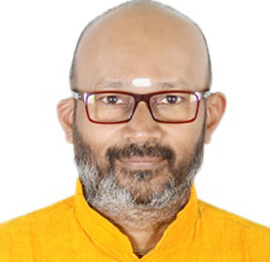
Viswanatha Swamy
Principal Software Engineer, C# Corner MVP, Author

Sanket Verma
Research Engineer @ Ballistics (Forensics) and Chair, PyData Delhi

Sourabh Somani
Lead Developer, Microsoft MVP, Author

Abhishek Mishra
Software Architect, C# Corner MVP, Author

Siddharth Vaghasia
Technical Consultant, C# Corner MVP, Blogger

Bassam Alugili
Senior Software Specialist, Database Expert

S Ravi Kumar
Solution Architect, C# Corner MVP, Author

Sundaram Subramanian
Full Stack Developer, C# Corner MVP, Speaker

Deepesh Somani
Solution Architect, Microsoft MVP, Author

Debasis Saha
Technical Project Manager, C# Corner MVP, Blogger, Author

Vipul Jain
Software Architect, C# Corner MVP, Author

Akshay Patel
Technical Architect, Microsoft Certified Trainer, C# Corner MVP, Author

Stephen Simon
RPA Developer, Evangelist, Author

Vivek Sharma
Founder Kingster636, AR/VR Specialist

Jeetendra Gund
Technical Lead, C# Corner MVP, Author

Sujal Beniwal
AI Enthusiast, Student

M Viknaraj
Microsoft MVP, Azure Architect, Author

Prasham Sabadra
Software Architect, C# Corner MVP, Trainer, Author

Aakash Maurya
Senior Developer, C# Corner MVP, Speaker

Ankit Sharma
Senior Software Engineer, C# Corner MVP, Author
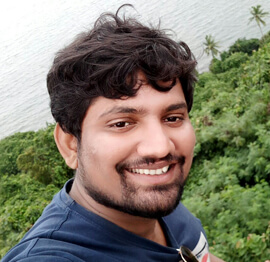
Mangesh Gaherwar
Team Lead, C# Corner MVP, Author

Viral Jain
Technical Consultant, C# Corner MVP, Author
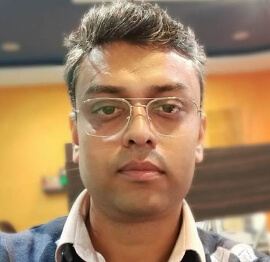
Bhasker Das
Solution Architect, Evangelist

Manish Dwivedi
Associate Project Manager

Ck Nitin
Programmer, Author

Rohit Gupta
Technical Trainer, Author

Manish Tewatia
Full-stack Marketer, UX Designer

Bhavya Gaur
Technical Illustrator

Rohit Tomar
SEO/SMO Expert
Web Track
Cloud & Data Track
Dev Track
Registration & Breakfast
Future of Desktop Apps with JS (ElectronJs)
Nitin Pandit
Building Serverless Microservices Using Microsoft Azure
Vithal Wadje
Innovating RPA: A Robot for Every Person
Stephen Simon
Managing Cloud Storage Accounts using Logic Apps
Viknaraj Manogararajah
Data visualization using Python
Sekhar Srinivasan
Going Cross platform with AR Foundation
Vivek Sharma
Keynote
Managing your Azure dependencies in ASP.NET Core apps using VS
Bala Chirtsabesan
Securing Applications on Intelligent Azure
Abhishek Mishra
Getting started with Blazor the Framework of Future
S Ravi Kumar
Lunch
Build Progressive Web Apps using Angular 9
Debasis Saha
Build and deploy to any platform using Azure DevOps
Chervine Bhiwoo
Deep Dive in Azure Service Bus
Akshay Patel
Build a Native Mobile Application using React Native and JavaScript
Joseph Guadagno
Making sense of Web Job, Web Job SDK and Functions in Azure
Prakash Tripathi
CloudFront Distribution in AWS
Viral Jain
Tea Break
Introduction to PowerBI
Aakash Maurya
Build Advanced SPFx solutions with React and Graph API
Siddharth Vaghasia
Build Business Intelligence Analyst (BIA) Skills
Sundaram Subramanian
Deep dive of Power Platform – AI BUILDER
Prasham Sabadra
Panel 1
What's new in SharePoint development
Vipul Jain
Build a SSO (Single Sign On) based Native JavaScript application with Microsoft Identity within 10 minutes
Manoj Mittal
Panel 2
Applications and working of AI
Veena Sarda
Deploying serverless API's with .Net core 3.0 on AWS & Azure
Amey Vartak
Panel 3
Blockchain with .NET Core (Ark)
Anshu Kumari
Closing Note & Prize Distribution
Dev Track
Cloud Track
Architecture Track
Emerging Tech Track
Registration & Breakfast
Creating Full-Stack Web Apps Using Server-Side Blazor
Ankit Sharma
Real time face recognition with MS Cognitive Services
Niloshima Srivastava
Building Scalable APIs with GraphQL
Jeetendra Gund
Future of development with AI and Blockchain
Navdeep Garg
Debugging Tips and Tricks with Visual Studio 2019
Joseph Guadagno
Azure Containers
Abhishek Kant
Enterprise Architecture
Naveen Sharma
Bot Framework - learn it fast and look like a boss!
Allen O’Neill
Keynote
.Net Core & C# 8 Performance
David McCarter
Working with Azure kubernetes services
Ritesh Modi
Becoming an Architect
Vidyavrat Agarwal
Why Techies Need to Learn Product Management
Saurabh Jain
Lunch
Build a rules engine in .Net Core
Sanjay Vyas
Building CI and CD Pipeline using Azure DevOps
Sandeep Soni
Entity Framework Core - Tips and Tricks, Performance Optimization, and Tuning
Bassam Alugili
Hacking your way into Data Science
Sanket Verma
Speed up your .Net Core Website
Sourabh Somani
Azure
Magnus Mårtensson
Demystifying Open Distro for Elasticsearch
Suman Debnath
Future of Data
Shivam Ahuja
Tea Break
gRPC with C# and .Net Core
Mangesh Gaherwar
Panel 1
Essentials of Cloud security
Parveen Malik
Power platform and Dynamics 365
Deepesh Somani
Microservices - the gRPC Way
Viswanatha Swamy
Panel 2
Reserved
Reserved
Closing Note & Prize Distribution
Blackjack tournament strategy for disciplined casino play
Blackjack tournaments require a different mindset from ordinary table blackjack. The aim is not simply to finish a session with a positive balance. Players compete against a field, a target score, or a changing leaderboard, so the value of each decision depends on timing, chip position, remaining rounds, and the likely behavior of opponents. A sound blackjack toernooi strategie therefore combines basic blackjack knowledge with tournament awareness.
This format can be appealing to players who enjoy structure, competition, and short decision cycles. It also demands clear limits, because the pressure to catch up may encourage larger wagers and riskier choices. Before joining any event, it is useful to understand the rules, prize structure, entry conditions, and payment environment. An independent review of winnitt online casino door de test can help Dutch players compare licensing, bonuses, game variety, tournaments, and practical account features in one place.
How tournament blackjack differs from regular play
At a standard blackjack table, the basic objective is straightforward: make decisions that give the hand the strongest mathematical expectation against the dealer. In a tournament, the result is measured relative to other players. A hand that would normally be considered too risky may become reasonable when a player must overtake a rival before the final round. Conversely, a profitable but small win may be strategically weak if the leaderboard requires a substantial score increase.
Tournament rules vary widely. Some events award points for winning hands, while others use chips as a direct score. Certain formats give every participant the same starting bankroll, and others permit rebuys or multiple attempts. The dealer may be automated or live, and rounds can have fixed betting windows. These details influence strategy more than the game title itself, so reading the event terms should come before selecting a stake.
The payout ladder is especially important. If only the top three places receive meaningful prizes, a conservative approach may be suitable while holding a qualifying position, but a player far behind may need a calculated attempt to improve. A flat betting system does not automatically fit a tournament environment. The right wager is determined by the scoreboard, the number of hands left, and the probability that opponents will increase their own totals.
Build decisions around position and timing
A useful first step is to divide the event into stages. Early rounds are generally about gathering information and preserving flexibility. Moderate bets can reveal how quickly the leaderboard is moving without exposing the entire bankroll. Watching the pace of other players may show whether the field is cautious, aggressive, or heavily concentrated around a particular score.
The middle stage is where position becomes more meaningful. A player near the qualifying line should compare the value of protecting a lead with the danger of falling behind. If the current score is comfortably above the threshold, oversized wagers may add unnecessary volatility. If the gap is small, a measured increase can provide a better balance between advancement and survival.
The final stage usually creates the strongest pressure. Players know how much they need to win, and opponents may make unusually large bets. Rather than reacting emotionally, calculate the minimum score needed to reach the next meaningful position. If a single hand cannot bridge the gap, chasing with repeated maximum bets may have little practical value. A planned risk is different from a desperate sequence of wagers.
Use blackjack mathematics without ignoring the format
Basic strategy remains the foundation. Decisions involving hitting, standing, doubling down, and splitting should be guided by the dealer’s upcard and the player’s total. Card counting is often impractical or prohibited in online tournaments, especially when cards are dealt through continuous software systems or reshuffled frequently. A reliable basic strategy chart is usually more useful than attempting to identify patterns in random outcomes.
Expected value still matters, but tournament utility adds another layer. Suppose a player has a strong lead and can either place a small wager or risk a large double-down. In a normal cash game, the expected value of the hand could dominate the decision. In a tournament, the small wager may be preferable because the objective is to avoid falling below the qualifying score. Protecting a position can have greater value than maximizing the result of one hand.
Bankroll segmentation helps prevent a single emotional decision from controlling the whole event. Divide the available tournament budget into a fixed entry amount and, where permitted, a predetermined reserve for additional attempts. Do not treat winnings from one round as permission to abandon the original limit. A player who decides stake boundaries before the event is less likely to respond impulsively to a losing streak.
The analytical habits valued in software and data work can also support better tournament decisions. Readers familiar with C# Corner conference sessions on cloud computing, data, and automation will recognize the principle: collect relevant information, distinguish signal from noise, and act according to defined rules. Blackjack does not become predictable through technology, but structured thinking can reduce avoidable mistakes.
Manage risk, bonuses, and tournament conditions
Promotional terms can affect the real cost of participation. A bonus may require wagering before withdrawal, apply only to selected games, or exclude tournament entries from qualifying play. The headline value of an offer should therefore be viewed alongside its wagering requirements, maximum conversion, expiry period, and restrictions. A promotion is useful only when its conditions fit the player’s intended activity.
Payment speed and method availability are practical parts of the experience. Dutch players may look for familiar deposit options, transparent withdrawal procedures, and clear identity verification steps. Delays do not necessarily indicate a problem, since operators may need to complete compliance checks, but the expected processing time should be explained in the terms. Keeping deposits and withdrawals within a personal budget is essential.
A regulated environment provides important safeguards. The Dutch market is overseen by the Kansspelautoriteit, and a licensed operator should provide information about age verification, self-exclusion, deposit controls, and customer support. A review site can help readers assess these points before registration by bringing together information about a platform’s KSA status, game catalog, bonuses, payment procedures, and limitations.
Winnitt’s wider offering may appeal to users who want more than blackjack tournaments. Its catalog is described as including bingo, Slingo, slots, and live casino games, allowing players to compare different formats in one account. That variety should not be confused with a reason to increase spending. Each game has separate rules and risk characteristics, so the same budget and session limits should apply across the entire platform.
Compare tournament approaches before you play
There is no universal betting pattern that guarantees a high finish. Flat betting can preserve capital and suit players who already hold a competitive score. Selective escalation may be appropriate when the required target is known and the gap is manageable. Maximum-risk play has a place only when the alternative is certain elimination and the player has accepted the possible loss in advance.
The following comparison shows how common approaches may fit different tournament situations:
| Approach | Best suited to | Main advantage | Main risk |
|---|---|---|---|
| Flat betting | Early rounds or a secure leaderboard position | Preserves flexibility and reduces volatility | May fail to gain enough ground |
| Selective increases | A moderate gap with several hands remaining | Balances progress and bankroll protection | A poorly timed increase can damage position |
| Targeted double-downs | A known score deficit that one hand can address | Creates a clear route to qualification | Depends on a favorable hand and decision |
| Aggressive final-round betting | A player outside the prize range near the end | Offers a chance to make a major move | Can erase the remaining bankroll quickly |
| Conservative protection | A player holding a qualifying score | Limits the chance of falling below the line | May surrender a chance at a higher prize |
Before entering, record the starting balance, maximum acceptable loss, and intended number of attempts. During play, track the current score, qualifying threshold, remaining rounds, and likely target set by the leaders. This converts a fast-paced event into a series of manageable decisions. It also makes it easier to stop when the preselected limit has been reached.
Responsible gambling measures should remain part of the strategy, rather than being treated as an afterthought. Set deposit and session limits, avoid playing while distressed or fatigued, and never use borrowed money. If gambling begins to interfere with finances, work, or relationships, pause immediately and use the available operator support tools or independent help services. A tournament result is temporary; financial and personal stability deserve priority.
A well-informed player can then evaluate whether an online blackjack event is suitable for their preferences. Reviewing the license, entry rules, prize structure, game technology, payment methods, and responsible gambling controls creates a clearer picture than focusing on a bonus alone. With realistic expectations and disciplined bankroll control, tournament blackjack becomes a structured form of entertainment rather than an uncontrolled chase for a leaderboard position.









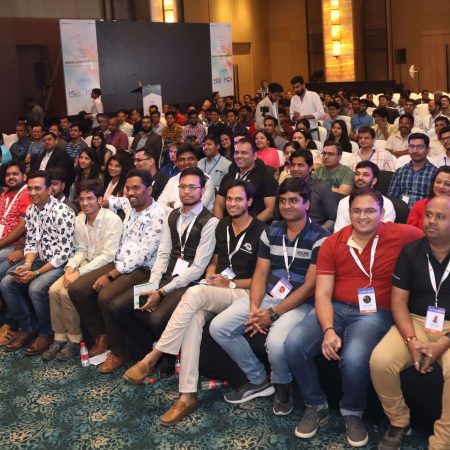

1, CBD, Maharaj Surajmal Road, Near Yamuna Sports Complex, Delhi, 110032





GENERAL QUERIES
Manish Tewatia
manish@csharpcon.com
+91-9718-431-042
TICKET QUERIES
Atul Gupta
conference@csharpcon.com
+91-9910-125-804