

Presents


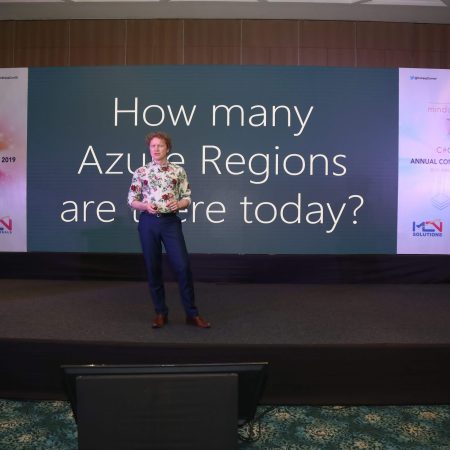
Magnus Mårtensson
Microsoft Regional Director, Azure MVP, CEO Loftysoft
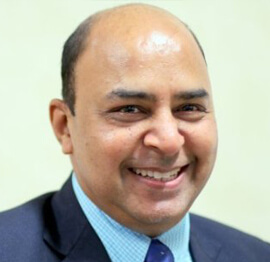
Avirag Jain
Director & CTO R Systems
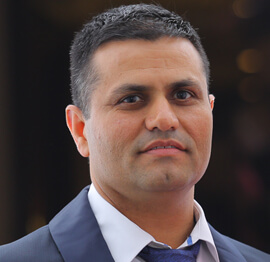
Mahesh Chand
Founder C# Corner, CEO Mindcracker
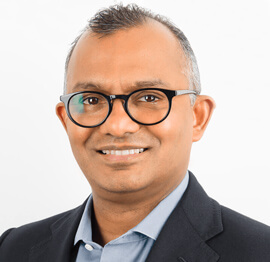
Chris Gali
CEO & Co-Founder Graphite

Subinder Khurana
Chief Architect StoryProcess, Founder NASSCOM DeepTech Club

Bryan Rishforth
Investor, Chairman Graphite

Bryn Everson
Director Biz Dev Graphite
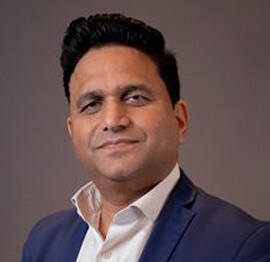
Raj Tiwari
Digital Transformation Leader, Futurist and Visionary
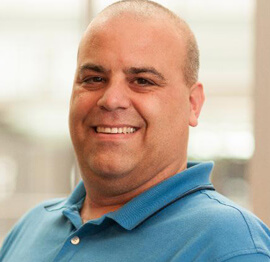
Joseph Guadagno
Microsoft MVP, Lead Quicken Loans

Nikita Sachdev
Entrepreneur, Blockchain Enthusiast & Advisor, Social Media Influencer

Doug Wagner
COO & Founder Adapt Technical Group

Ritesh Modi
Architect, Senior Evangelist, Cloud Architect

Crystal Wenrick
Director Communications Mindcracker

Allen O’Neill
Microsoft MVP, Consulting Engineer/Architect
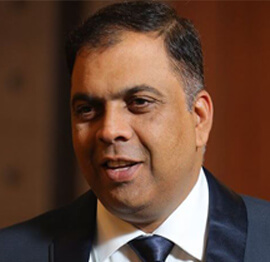
Praveen Kumar
CEO MCN Solutions

Chris Love
Founder Love2Dev, Microsoft MVP, Author

Sanjay Vyas
Microsoft Regional Director, Microsoft MVP, Founder & CEO SkillLabs Technologies

Veena Sarda
Deep Learning Consultant, Author

Sekhar Srinivasan
C# Corner MVP, Microsoft Certified Trainer, Pluralsight Author
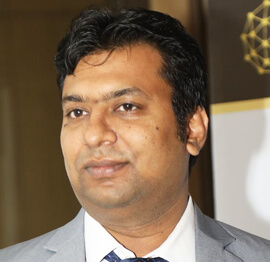
Lalit Bansal
Founder & CEO - EIY SYS
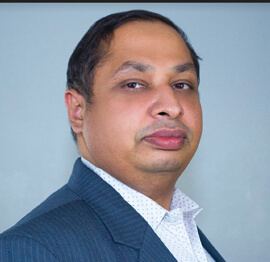
Navdeep Garg
CEO Revinfotech
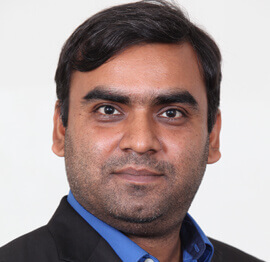
Prakash Tripathi
Tech Manager/Leader, Microsoft MVP, Blogger
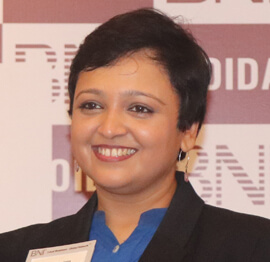
Bhavna Jain
Breakthrough Consultant

Naveen Sharma
Enterprise Architect, Leadership Coach, Author
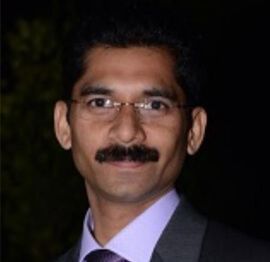
Vidya Vrat Agarwal
Principal Architect, Microsoft MVP, Author

Sheetal Agarwal
Founder Clownselors, Medical Clown, Trainer
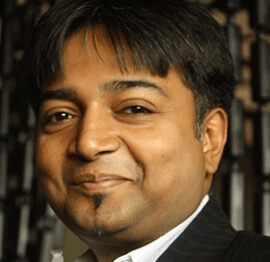
Abhishek Kant
Founder GTM Catalyst

Vishnu Saran
Founder & CEO VoiceQube

Sandeep Soni
Founder & CEO Deccansoft, Microsoft Certified Trainer

Parveen Malik
AVP InfoSec & Vulnerability Management, Information Security Expert

Nitin Pandit
Microsoft MVP, Developer Evangelist, Author

Niloshima Srivastava
C# Corner MVP, Tech Architect, Trainer, Blogger

Bala Chirtsabesan
Senior Software Engineer at Microsoft, Author
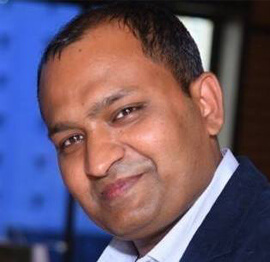
Manoj Mittal
Sr. Technical Architect, C# Corner MVP, Author

Chandni Di
Co-Founder Voice of Slum

Vithal Wadje
Technical Lead, Microsoft MVP, Author

Shivam Ahuja
Founder SkillCircle, Business Mentor
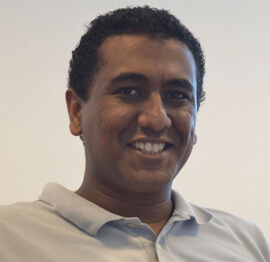
Chervine Bhiwoo
Solution Architect, Microsoft MVP, Author

Saurabh Jain
Vice President Paytm, Founder Fun2Do Labs, Author
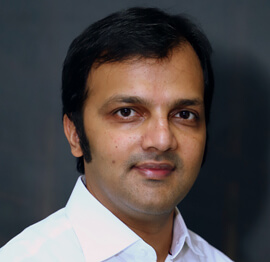
Vinay Solanki
Head IoT at Lenovo, Founder IoT-NCR

Anshu kumari
Founder Blockchainkids, Inventor, Trainer
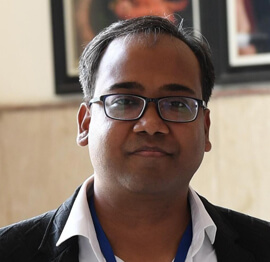
Amit Singal
CEO Startup Buddy
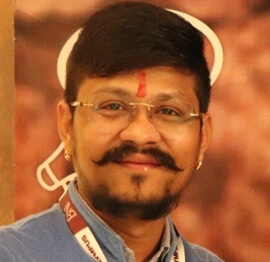
Dev Pratap
Co-Founder & CEO Voice of Slum

Amey Vartak
Technology Consultant, Full Stack Developer, C# Corner MVP, Author
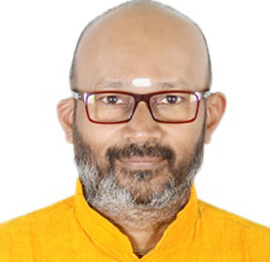
Viswanatha Swamy
Principal Software Engineer, C# Corner MVP, Author

Sanket Verma
Research Engineer @ Ballistics (Forensics) and Chair, PyData Delhi

Sourabh Somani
Lead Developer, Microsoft MVP, Author
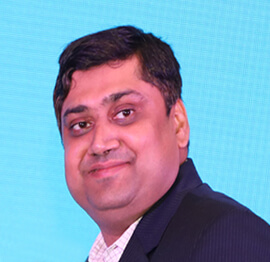
Abhishek Mishra
Software Architect, C# Corner MVP, Author
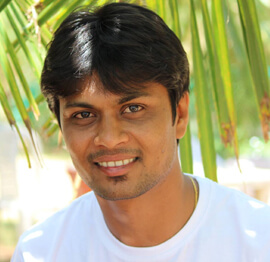
Siddharth Vaghasia
Technical Consultant, C# Corner MVP, Blogger
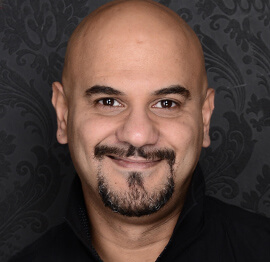
Bassam Alugili
Senior Software Specialist, Database Expert
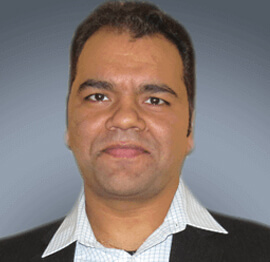
S Ravi Kumar
Solution Architect, C# Corner MVP, Author

Sundaram Subramanian
Full Stack Developer, C# Corner MVP, Speaker

Deepesh Somani
Solution Architect, Microsoft MVP, Author

Debasis Saha
Technical Project Manager, C# Corner MVP, Blogger, Author
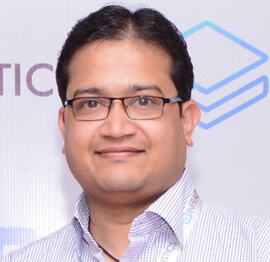
Vipul Jain
Software Architect, C# Corner MVP, Author

Akshay Patel
Technical Architect, Microsoft Certified Trainer, C# Corner MVP, Author

Stephen Simon
RPA Developer, Evangelist, Author
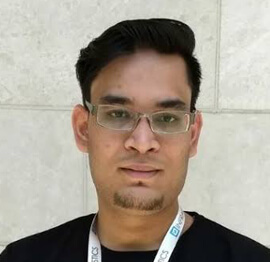
Vivek Sharma
Founder Kingster636, AR/VR Specialist

Jeetendra Gund
Technical Lead, C# Corner MVP, Author

Sujal Beniwal
AI Enthusiast, Student

M Viknaraj
Microsoft MVP, Azure Architect, Author

Prasham Sabadra
Software Architect, C# Corner MVP, Trainer, Author
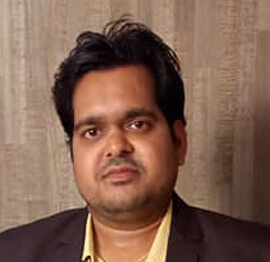
Aakash Maurya
Senior Developer, C# Corner MVP, Speaker
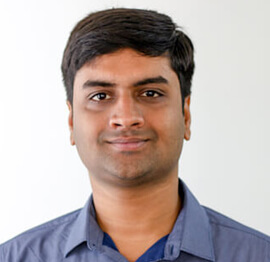
Ankit Sharma
Senior Software Engineer, C# Corner MVP, Author

Mangesh Gaherwar
Team Lead, C# Corner MVP, Author

Viral Jain
Technical Consultant, C# Corner MVP, Author
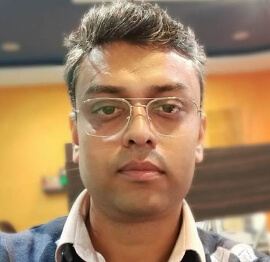
Bhasker Das
Solution Architect, Evangelist

Manish Dwivedi
Associate Project Manager

Ck Nitin
Programmer, Author

Rohit Gupta
Technical Trainer, Author

Manish Tewatia
Full-stack Marketer, UX Designer

Bhavya Gaur
Technical Illustrator

Rohit Tomar
SEO/SMO Expert
Web Track
Cloud & Data Track
Dev Track
Registration & Breakfast
Future of Desktop Apps with JS (ElectronJs)
Nitin Pandit
Building Serverless Microservices Using Microsoft Azure
Vithal Wadje
Innovating RPA: A Robot for Every Person
Stephen Simon
Managing Cloud Storage Accounts using Logic Apps
Viknaraj Manogararajah
Data visualization using Python
Sekhar Srinivasan
Going Cross platform with AR Foundation
Vivek Sharma
Keynote
Managing your Azure dependencies in ASP.NET Core apps using VS
Bala Chirtsabesan
Securing Applications on Intelligent Azure
Abhishek Mishra
Getting started with Blazor the Framework of Future
S Ravi Kumar
Lunch
Build Progressive Web Apps using Angular 9
Debasis Saha
Build and deploy to any platform using Azure DevOps
Chervine Bhiwoo
Deep Dive in Azure Service Bus
Akshay Patel
Build a Native Mobile Application using React Native and JavaScript
Joseph Guadagno
Making sense of Web Job, Web Job SDK and Functions in Azure
Prakash Tripathi
CloudFront Distribution in AWS
Viral Jain
Tea Break
Introduction to PowerBI
Aakash Maurya
Build Advanced SPFx solutions with React and Graph API
Siddharth Vaghasia
Build Business Intelligence Analyst (BIA) Skills
Sundaram Subramanian
Deep dive of Power Platform – AI BUILDER
Prasham Sabadra
Panel 1
What's new in SharePoint development
Vipul Jain
Build a SSO (Single Sign On) based Native JavaScript application with Microsoft Identity within 10 minutes
Manoj Mittal
Panel 2
Applications and working of AI
Veena Sarda
Deploying serverless API's with .Net core 3.0 on AWS & Azure
Amey Vartak
Panel 3
Blockchain with .NET Core (Ark)
Anshu Kumari
Closing Note & Prize Distribution
Dev Track
Cloud Track
Architecture Track
Emerging Tech Track
Registration & Breakfast
Creating Full-Stack Web Apps Using Server-Side Blazor
Ankit Sharma
Real time face recognition with MS Cognitive Services
Niloshima Srivastava
Building Scalable APIs with GraphQL
Jeetendra Gund
Future of development with AI and Blockchain
Navdeep Garg
Debugging Tips and Tricks with Visual Studio 2019
Joseph Guadagno
Azure Containers
Abhishek Kant
Enterprise Architecture
Naveen Sharma
Bot Framework - learn it fast and look like a boss!
Allen O’Neill
Keynote
.Net Core & C# 8 Performance
David McCarter
Working with Azure kubernetes services
Ritesh Modi
Becoming an Architect
Vidyavrat Agarwal
Why Techies Need to Learn Product Management
Saurabh Jain
Lunch
Build a rules engine in .Net Core
Sanjay Vyas
Building CI and CD Pipeline using Azure DevOps
Sandeep Soni
Entity Framework Core - Tips and Tricks, Performance Optimization, and Tuning
Bassam Alugili
Hacking your way into Data Science
Sanket Verma
Speed up your .Net Core Website
Sourabh Somani
Azure
Magnus Mårtensson
Demystifying Open Distro for Elasticsearch
Suman Debnath
Future of Data
Shivam Ahuja
Tea Break
gRPC with C# and .Net Core
Mangesh Gaherwar
Panel 1
Essentials of Cloud security
Parveen Malik
Power platform and Dynamics 365
Deepesh Somani
Microservices - the gRPC Way
Viswanatha Swamy
Panel 2
Reserved
Reserved
Closing Note & Prize Distribution
Baccarat rules explained for Italian online players
For anyone searching “baccarat come si gioca regole,” the main appeal is clarity. Baccarat uses a small number of betting options, a fixed card procedure, and a scoring system that keeps every hand moving quickly. Once the basic sequence is understood, the game becomes easier to follow at a physical table, in a live-dealer room, or through an online casino interface.
The game is also a useful example of how structured systems work. Players make a decision before the deal, then the rules determine whether a third card is drawn for the Player or Banker hand. There is no need to choose hit or stand during the hand, and that makes baccarat different from blackjack and several other casino card games.
For Italian players, a sound starting point includes checking the available game format, minimum and maximum stakes, payment conditions, and responsible gaming tools. A demo mode can help new users learn the card values without risking money, while a live version adds a presenter, real cards, and a more social atmosphere.
Fantasyteam Casino Italia presents a broad online gaming environment with slots, poker, bingo, virtual games, sports betting, and live casino options. Its offer is aimed at Italian users and highlights ADM licensing, payment methods, mobile access, account assistance, and withdrawals stated as taking 24–48 hours. The baccarat rules remain the same, but the surrounding user experience can vary from one platform to another.
Why baccarat attracts informed players
Baccarat is often chosen because the player’s role is straightforward. Before each round, the bettor selects Player, Banker, or Tie, and the cards are then dealt according to predetermined rules. The objective is to predict which hand will finish closest to nine, rather than to build a hand through personal decisions.
The game has a long international history and is available in several forms, including Punto Banco, mini-baccarat, and live baccarat. Punto Banco is especially common online because the dealer follows an automatic third-card chart. Mini-baccarat generally uses the same core rules but a smaller table and lower betting limits.
This fixed structure makes baccarat easy to compare across platforms. A beginner can focus on the payout schedule, table limits, and interface rather than learning a complicated strategy tree. Still, a simple rule set should not be confused with a guaranteed result: each hand is independent, and the house retains an advantage through the payout rules.
The table and its participants
A standard baccarat round includes two hands: Player and Banker. These labels identify the two possible hands; they do not mean that the person placing a wager controls the Player hand or competes directly against the dealer. The dealer manages the cards, and the outcome is determined by the final totals.
The third betting choice is Tie, which wins only when both hands finish with the same total. Tie bets usually offer a much higher payout than Player or Banker bets, but they also carry a significantly higher house edge in many versions. That difference is important when comparing attractive headline payouts with the probability of winning.
In an online room, the screen normally shows the three betting areas, the current shoe or round number, the cards, and the settlement of the previous hand. Live baccarat adds a streaming dealer and table camera. These features can make the session more engaging, but they do not change the mathematical rules or improve the odds of a particular outcome.
How card values and totals work
Cards from two through nine count at their face value. Aces count as one, while tens, jacks, queens, and kings count as zero. The total is calculated by adding the card values and keeping only the final digit. For example, a hand worth 15 has a baccarat total of five, and a hand worth 20 has a total of zero.
The highest possible score is nine. If the first two cards produce eight or nine, the hand is called a natural and the round normally ends immediately. If neither side has a natural, the rules may require a third card for one or both hands.
A simple example makes the calculation clear. Suppose the Player hand receives a seven and an eight. The combined value is 15, so the baccarat total is five. If the Banker hand receives a nine and a six, its combined value is 15 as well, producing another five and therefore a Tie result.
The third-card procedure is not based on a player’s preference. It follows a fixed chart involving the Player total and, in some cases, the value of the Player’s third card. The Banker action also depends on its own total and that third card. This is why memorizing every drawing condition is unnecessary for most new players; the dealer or software applies the chart automatically.
Player, Banker, and Tie compared
Choosing a wager means understanding both its purpose and its settlement. The Player bet succeeds when the Player hand finishes nearer to nine, while the Banker bet succeeds when the Banker hand is closer. If the two hands match, a Tie bet wins according to the displayed payout.
The Banker option often has the lowest house edge, but many casinos deduct a commission from a winning Banker wager, commonly five percent. Some tables use a different commission or a modified payout, so the rules panel should always be checked before staking. Player bets generally pay even money, while Tie payouts vary widely.
| Bet type | Winning condition | Common payout pattern | Important point |
|---|---|---|---|
| Player | Player total is closer to nine | 1:1 | Usually no commission |
| Banker | Banker total is closer to nine | Often 0.95:1 after commission | Check the table’s exact terms |
| Tie | Both totals are equal | Often 8:1 or 9:1 | Higher house edge is common |
| Pair side bet | First two cards form a pair | Varies by operator | Optional and separate from the main result |
Side bets may include Player Pair, Banker Pair, Perfect Pair, or other bonus combinations. They can add variety, but their higher payouts may conceal lower expected value. New players are generally better served by learning the main three bets before exploring optional features.
Understanding outcomes without chasing patterns
Baccarat histories often display sequences such as Banker, Player, Banker, or long runs of one result. These records can help users review previous rounds, but they cannot predict the next hand. A run does not make an opposite result “due,” and a recent outcome does not change the probability of the next deal.
This point matters because online interfaces frequently include roads, charts, and streak indicators. Such tools are visual summaries rather than forecasting systems. The cards are shuffled or generated according to the operator’s approved process, and each completed round stands on its own.
A practical approach is to decide a session budget before playing and treat it as entertainment spending. Fixed stakes, time limits, and planned breaks reduce the temptation to recover losses by increasing wagers. A loss limit should be respected as firmly as a spending limit for any other leisure activity.
The same analytical mindset used by software professionals at a technology conference can be useful here: separate data from interpretation, inspect the rules behind a display, and avoid treating a pattern as proof. Baccarat is a probability game, not a system that can be solved through a sequence of recent results.
Playing baccarat online in Italy
Online baccarat may appear as an automated table game or as a live casino product. Automated baccarat usually offers faster rounds, clear buttons, and flexible limits. Live baccarat places the action in a streamed studio, where a dealer handles the cards and announces the result. Both formats can be legitimate choices when the operator is properly authorized and the terms are transparent.
Before opening a real-money table, users should examine the licensing information, game rules, payout details, identity checks, and withdrawal conditions. Payment options may include cards, bank services, and digital methods, but availability can depend on verification status and account requirements. A welcome bonus should be assessed through its wagering terms rather than its headline value.
Fantasyteam Casino Italia promotes more than 2,500 games and includes a live casino category alongside slots, poker, bingo, virtual games, and sports betting. Italian visitors can review the platform’s offers and access options through https://fantasyteamcasinos.com/it-it1/, then check the current baccarat availability, limits, and applicable conditions before playing.
Mobile access can be convenient for users who prefer a phone or tablet, but convenience should not lead to rushed decisions. The same account safeguards, spending limits, and verification rules apply on a mobile app or browser. If a payment or account issue occurs, the support channel should be used before opening additional accounts or attempting repeated transactions.
Practical habits for a clearer session
A well-structured session begins with information rather than a wager. Read the help panel, identify the commission on Banker wins, and confirm whether a displayed payout refers to the main bet or a side bet. Understanding these details prevents avoidable misunderstandings when the round is settled.
The following habits support a more controlled and informed way to play:
- Start with demo baccarat or the lowest available stake while learning the card values.
- Compare Player, Banker, and Tie payouts before selecting a betting area.
- Set a fixed budget and a time limit before opening a real-money session.
- Treat streak charts as historical records, never as predictions.
- Avoid increasing stakes to chase a previous loss.
- Use account limits, cooling-off tools, or self-exclusion options when gambling stops feeling recreational.
A responsible operator should make these controls visible and accessible. Players should also keep account credentials private, complete verification through official channels, and review transaction records regularly. Fast withdrawal claims, such as the 24–48-hour timeframe promoted by some platforms, may still depend on verification, banking schedules, and the chosen payment method.
Baccarat’s appeal comes from a clean combination of chance, pace, and limited decision-making. Learning how totals are calculated, understanding the third-card rules, and comparing payouts provides a stronger foundation than relying on folklore or betting streaks. For Italian online players, that knowledge can make a casino session easier to navigate while keeping expectations realistic.









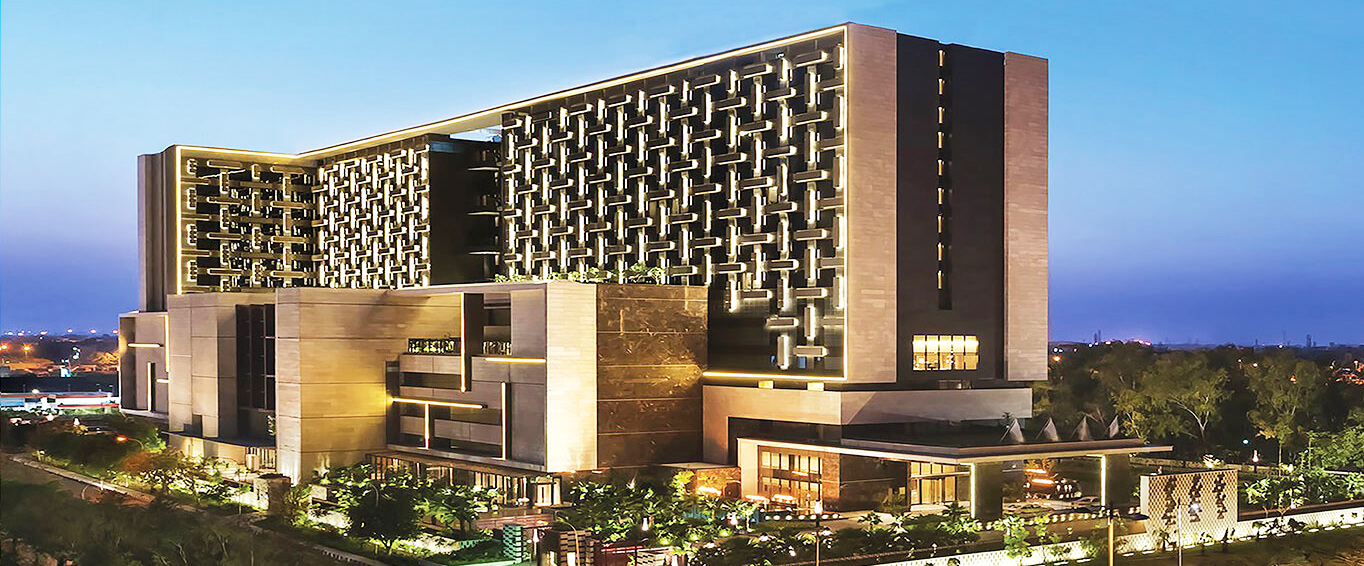
1, CBD, Maharaj Surajmal Road, Near Yamuna Sports Complex, Delhi, 110032




GENERAL QUERIES
Manish Tewatia
manish@csharpcon.com
+91-9718-431-042
TICKET QUERIES
Atul Gupta
conference@csharpcon.com
+91-9910-125-804