

Presents


Magnus Mårtensson
Microsoft Regional Director, Azure MVP, CEO Loftysoft

Avirag Jain
Director & CTO R Systems

Mahesh Chand
Founder C# Corner, CEO Mindcracker

Chris Gali
CEO & Co-Founder Graphite

Subinder Khurana
Chief Architect StoryProcess, Founder NASSCOM DeepTech Club

Bryan Rishforth
Investor, Chairman Graphite

Bryn Everson
Director Biz Dev Graphite

Raj Tiwari
Digital Transformation Leader, Futurist and Visionary

Joseph Guadagno
Microsoft MVP, Lead Quicken Loans

Nikita Sachdev
Entrepreneur, Blockchain Enthusiast & Advisor, Social Media Influencer

Doug Wagner
COO & Founder Adapt Technical Group

Ritesh Modi
Architect, Senior Evangelist, Cloud Architect

Crystal Wenrick
Director Communications Mindcracker

Allen O’Neill
Microsoft MVP, Consulting Engineer/Architect

Praveen Kumar
CEO MCN Solutions

Chris Love
Founder Love2Dev, Microsoft MVP, Author

Sanjay Vyas
Microsoft Regional Director, Microsoft MVP, Founder & CEO SkillLabs Technologies

Veena Sarda
Deep Learning Consultant, Author

Sekhar Srinivasan
C# Corner MVP, Microsoft Certified Trainer, Pluralsight Author

Lalit Bansal
Founder & CEO - EIY SYS

Navdeep Garg
CEO Revinfotech

Prakash Tripathi
Tech Manager/Leader, Microsoft MVP, Blogger

Bhavna Jain
Breakthrough Consultant

Naveen Sharma
Enterprise Architect, Leadership Coach, Author

Vidya Vrat Agarwal
Principal Architect, Microsoft MVP, Author

Sheetal Agarwal
Founder Clownselors, Medical Clown, Trainer

Abhishek Kant
Founder GTM Catalyst

Vishnu Saran
Founder & CEO VoiceQube

Sandeep Soni
Founder & CEO Deccansoft, Microsoft Certified Trainer

Parveen Malik
AVP InfoSec & Vulnerability Management, Information Security Expert

Nitin Pandit
Microsoft MVP, Developer Evangelist, Author

Niloshima Srivastava
C# Corner MVP, Tech Architect, Trainer, Blogger

Bala Chirtsabesan
Senior Software Engineer at Microsoft, Author

Manoj Mittal
Sr. Technical Architect, C# Corner MVP, Author

Chandni Di
Co-Founder Voice of Slum

Vithal Wadje
Technical Lead, Microsoft MVP, Author

Shivam Ahuja
Founder SkillCircle, Business Mentor

Chervine Bhiwoo
Solution Architect, Microsoft MVP, Author

Saurabh Jain
Vice President Paytm, Founder Fun2Do Labs, Author

Vinay Solanki
Head IoT at Lenovo, Founder IoT-NCR

Anshu kumari
Founder Blockchainkids, Inventor, Trainer

Amit Singal
CEO Startup Buddy

Dev Pratap
Co-Founder & CEO Voice of Slum

Amey Vartak
Technology Consultant, Full Stack Developer, C# Corner MVP, Author

Viswanatha Swamy
Principal Software Engineer, C# Corner MVP, Author

Sanket Verma
Research Engineer @ Ballistics (Forensics) and Chair, PyData Delhi

Sourabh Somani
Lead Developer, Microsoft MVP, Author

Abhishek Mishra
Software Architect, C# Corner MVP, Author

Siddharth Vaghasia
Technical Consultant, C# Corner MVP, Blogger
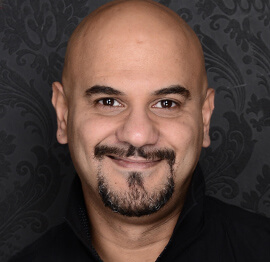
Bassam Alugili
Senior Software Specialist, Database Expert

S Ravi Kumar
Solution Architect, C# Corner MVP, Author

Sundaram Subramanian
Full Stack Developer, C# Corner MVP, Speaker

Deepesh Somani
Solution Architect, Microsoft MVP, Author

Debasis Saha
Technical Project Manager, C# Corner MVP, Blogger, Author

Vipul Jain
Software Architect, C# Corner MVP, Author

Akshay Patel
Technical Architect, Microsoft Certified Trainer, C# Corner MVP, Author

Stephen Simon
RPA Developer, Evangelist, Author

Vivek Sharma
Founder Kingster636, AR/VR Specialist

Jeetendra Gund
Technical Lead, C# Corner MVP, Author

Sujal Beniwal
AI Enthusiast, Student

M Viknaraj
Microsoft MVP, Azure Architect, Author

Prasham Sabadra
Software Architect, C# Corner MVP, Trainer, Author

Aakash Maurya
Senior Developer, C# Corner MVP, Speaker

Ankit Sharma
Senior Software Engineer, C# Corner MVP, Author

Mangesh Gaherwar
Team Lead, C# Corner MVP, Author

Viral Jain
Technical Consultant, C# Corner MVP, Author

Bhasker Das
Solution Architect, Evangelist

Manish Dwivedi
Associate Project Manager

Ck Nitin
Programmer, Author

Rohit Gupta
Technical Trainer, Author

Manish Tewatia
Full-stack Marketer, UX Designer

Bhavya Gaur
Technical Illustrator

Rohit Tomar
SEO/SMO Expert
Web Track
Cloud & Data Track
Dev Track
Registration & Breakfast
Future of Desktop Apps with JS (ElectronJs)
Nitin Pandit
Building Serverless Microservices Using Microsoft Azure
Vithal Wadje
Innovating RPA: A Robot for Every Person
Stephen Simon
Managing Cloud Storage Accounts using Logic Apps
Viknaraj Manogararajah
Data visualization using Python
Sekhar Srinivasan
Going Cross platform with AR Foundation
Vivek Sharma
Keynote
Managing your Azure dependencies in ASP.NET Core apps using VS
Bala Chirtsabesan
Securing Applications on Intelligent Azure
Abhishek Mishra
Getting started with Blazor the Framework of Future
S Ravi Kumar
Lunch
Build Progressive Web Apps using Angular 9
Debasis Saha
Build and deploy to any platform using Azure DevOps
Chervine Bhiwoo
Deep Dive in Azure Service Bus
Akshay Patel
Build a Native Mobile Application using React Native and JavaScript
Joseph Guadagno
Making sense of Web Job, Web Job SDK and Functions in Azure
Prakash Tripathi
CloudFront Distribution in AWS
Viral Jain
Tea Break
Introduction to PowerBI
Aakash Maurya
Build Advanced SPFx solutions with React and Graph API
Siddharth Vaghasia
Build Business Intelligence Analyst (BIA) Skills
Sundaram Subramanian
Deep dive of Power Platform – AI BUILDER
Prasham Sabadra
Panel 1
What's new in SharePoint development
Vipul Jain
Build a SSO (Single Sign On) based Native JavaScript application with Microsoft Identity within 10 minutes
Manoj Mittal
Panel 2
Applications and working of AI
Veena Sarda
Deploying serverless API's with .Net core 3.0 on AWS & Azure
Amey Vartak
Panel 3
Blockchain with .NET Core (Ark)
Anshu Kumari
Closing Note & Prize Distribution
Dev Track
Cloud Track
Architecture Track
Emerging Tech Track
Registration & Breakfast
Creating Full-Stack Web Apps Using Server-Side Blazor
Ankit Sharma
Real time face recognition with MS Cognitive Services
Niloshima Srivastava
Building Scalable APIs with GraphQL
Jeetendra Gund
Future of development with AI and Blockchain
Navdeep Garg
Debugging Tips and Tricks with Visual Studio 2019
Joseph Guadagno
Azure Containers
Abhishek Kant
Enterprise Architecture
Naveen Sharma
Bot Framework - learn it fast and look like a boss!
Allen O’Neill
Keynote
.Net Core & C# 8 Performance
David McCarter
Working with Azure kubernetes services
Ritesh Modi
Becoming an Architect
Vidyavrat Agarwal
Why Techies Need to Learn Product Management
Saurabh Jain
Lunch
Build a rules engine in .Net Core
Sanjay Vyas
Building CI and CD Pipeline using Azure DevOps
Sandeep Soni
Entity Framework Core - Tips and Tricks, Performance Optimization, and Tuning
Bassam Alugili
Hacking your way into Data Science
Sanket Verma
Speed up your .Net Core Website
Sourabh Somani
Azure
Magnus Mårtensson
Demystifying Open Distro for Elasticsearch
Suman Debnath
Future of Data
Shivam Ahuja
Tea Break
gRPC with C# and .Net Core
Mangesh Gaherwar
Panel 1
Essentials of Cloud security
Parveen Malik
Power platform and Dynamics 365
Deepesh Somani
Microservices - the gRPC Way
Viswanatha Swamy
Panel 2
Reserved
Reserved
Closing Note & Prize Distribution
Using Value And Reference Types To Prevent Aliasing Bugs In C#
Aliasing occurs when two variables provide access to the same mutable storage. A change made through one variable then appears unexpectedly through another, producing defects that are difficult to reproduce and explain. In software written for Australian businesses, where a service may combine cloud APIs, data pipelines and legacy components, these bugs can spread across several layers before anyone notices.
The phrase “value and reference types” belongs primarily to C#, rather than to standard C. C uses values, pointers, arrays and structures, while C# formalises the distinction through value types and reference types. Understanding both models helps developers avoid accidental shared state in applications built with .NET, Azure services and modern web stacks.
| Type or construct | What assignment usually copies | Aliasing risk | Common mitigation |
|---|---|---|---|
C# int, decimal, struct |
The value | Low | Keep the type immutable where practical |
| C# class or array | A reference to an object | High when mutable | Copy deliberately or expose read-only access |
| C pointer | A memory address | High | Define ownership and lifetime clearly |
C struct |
The structure’s bytes | Lower, though pointer fields can alias | Avoid hidden pointers and document ownership |
C# record |
A reference unless it is a record struct |
Depends on members | Use immutable members and suitable copy semantics |
Why Aliasing Happens In Managed And Native Code
A value type contains its data directly. Assigning an int to another variable creates an independent value, so changing the new variable has no effect on the original. The same principle usually applies to a C# structure, although a structure can contain reference-type fields that introduce sharing beneath the surface.
A reference type behaves differently. A variable holds a reference to an object on the managed heap, and assignment copies that reference rather than the object. In this example, both variables point to the same list:
var first = new List<string> { "Sydney", "Perth" };
var second = first;

second.Add("Melbourne");

// first now contains three items
The code is valid and predictable, yet it becomes a bug when the developer assumes second is a separate collection. The same issue appears in C when two pointers address the same structure, buffer or dynamically allocated block. An update through either pointer changes the shared memory.
Aliasing is especially troublesome when a method receives a mutable object and silently retains it. A configuration object, request payload or cached result may be modified after it has been passed elsewhere. In a Melbourne fintech team or a Brisbane logistics platform, the visible failure might surface as a wrong invoice, stale status or inconsistent API response several operations away from the original assignment.
Choosing Between Value And Reference Semantics
Use a value type when the object represents a small, independent value whose identity is irrelevant. Coordinates, money components, dates and identifiers often fit this model. In C#, DateTime, Guid and many domain-specific readonly struct types are examples. A value should behave like a number: copying it should produce an independent result.
Reference types are suitable when identity matters or when an object is large, shared intentionally or subject to polymorphism. A customer entity tracked by an ORM may need one identity across a unit of work. A service object must be shared because it represents a resource or dependency. The risk begins when a type is mutable but its callers do not realise that they are sharing it.
Immutability reduces this ambiguity. A class with get-only properties, private state and methods that return new instances cannot be changed through an old reference. C# records can communicate value-like intent, but a record containing a List<T> still contains a mutable reference. The outer object may support convenient equality while its nested collection remains shared.
public sealed record Invoice(
    string Number,
    decimal Total,
    IReadOnlyList<string> Lines);
IReadOnlyList<T> prevents callers from using the property as a mutable list, but it does not automatically copy the supplied collection. A robust constructor may create an owned snapshot:
public sealed class Invoice
{
    public string Number { get; }
    public decimal Total { get; }
    public IReadOnlyList<string> Lines { get; }

    public Invoice(string number, decimal total, IEnumerable<string> lines)
    {
        Number = number;
        Total = total;
        Lines = lines.ToArray();
    }
}
The copy establishes a clear ownership boundary. The invoice owns its line array, and later changes to the caller’s collection cannot alter the invoice.
Copying Objects Without Creating A False Sense Of Safety
A shallow copy duplicates the outer object while retaining references to nested objects. MemberwiseClone, a record’s generated with expression and many mapping utilities can produce this result. It may be sufficient when every member is immutable, but it is unsafe for a mutable object graph.
var revised = original with { Total = 125.00m };
If original has a mutable list property, revised.Lines may refer to the same list. Adding a line to one invoice can then alter the other. Developers should inspect every nested member rather than assuming that a convenient copy operation is deep.
A deep copy creates independent nested state, although it can be expensive and difficult to define. Serialisation is sometimes used for this purpose, but it may lose runtime types, ignore private state or introduce unnecessary performance costs. A purpose-built copy constructor is often clearer:
public Invoice(Invoice source)
{
    Number = source.Number;
    Total = source.Total;
    Lines = source.Lines.ToArray();
}
For larger systems, a better design can avoid copying altogether. Pass immutable snapshots, use persistent collections, or expose operations that return updated objects. In Azure Functions or containerised .NET services, reducing shared mutable state also makes parallel execution easier to reason about. Each invocation can receive its own request data rather than modifying a process-wide object.
C requires a similar discipline, though the language offers fewer safety rails. Passing a structure by value copies its fields, while passing a pointer shares the original storage. A function that accepts const struct Customer *customer promises not to modify the customer through that pointer. It does not promise that another pointer cannot modify the same memory, so ownership and lifetime still need to be documented.
Recognising Aliasing Through APIs And Tests
API design can prevent many accidental aliases. Prefer parameters such as IReadOnlyCollection<T> when a method only needs to inspect data. Avoid returning an internal List<T> from a class. Return an immutable collection, an array copy or an interface that does not expose mutation. These choices make a method’s ownership expectations visible at the call site.
A method that accepts a mutable reference should state whether it consumes, stores or mutates the object. In C#, XML documentation and naming can help, but types provide stronger guidance. In native C, comments should specify whether the callee owns a pointer, borrows it temporarily or transfers responsibility for freeing it.
Tests should deliberately probe shared-state behaviour. Create two variables from the same object, mutate one, and verify whether the other is expected to change. For a type intended to be independent, that test should fail if a shallow copy has been introduced accidentally. Property-based tests can generate nested objects and expose aliases that a few hand-written examples miss.
Concurrency testing is valuable as well. Aliasing bugs often appear when two tasks update a shared list or dictionary. A defect may pass on a developer laptop in Canberra and appear under load in a Sydney production environment. Running tests with repeated parallel operations, sanitising native C code with tools such as AddressSanitizer, and using static analysis for suspicious ownership patterns can reveal faults earlier.
Practical Design Rules For Australian Development Teams
The language context matters when teams move between C, C++ and C#. A pointer in a device integration library, a C# array in an ASP.NET service and a struct used in a message contract may look similar in a diagram, yet they have different copying and lifetime rules. Code reviews should identify the boundary explicitly instead of relying on familiar names such as Data, Context or Options.
Australian organisations often connect local systems to cloud infrastructure hosted in Australian regions, including Azure Australia East in New South Wales and Australia Southeast in Victoria. Data residency requirements, latency expectations and regulated workloads can encourage caching and reuse of objects. Those optimisations are useful only when the cached state cannot be changed accidentally by an individual request.
A practical review checklist is:
- Treat mutable collections and arrays as shared until a deliberate copy proves otherwise.
- Prefer immutable records,
readonly structvalues and read-only collection interfaces for data transfer. - Document whether C pointers are borrowed, owned, nullable or valid only for a limited scope.
- Test copy operations with nested mutable members, not just scalar properties.
- Use static analysis, sanitiser tooling and concurrency tests before deploying shared-state code.
Teams in Adelaide, Hobart or regional New South Wales may have smaller engineering groups, so a single developer can maintain the API, background worker and deployment pipeline. Clear ownership conventions reduce the knowledge burden when code moves between systems or a contractor joins a project. They also make technical discussions more precise: instead of saying that an object is “passed around”, developers can state whether it is copied, borrowed, shared or replaced.
Value semantics are a design decision rather than a performance trick. Reference semantics are equally legitimate when identity and shared behaviour are required. The safest code makes that choice visible, protects mutable state at boundaries and tests the exact behaviour expected after assignment, copying and concurrent use.








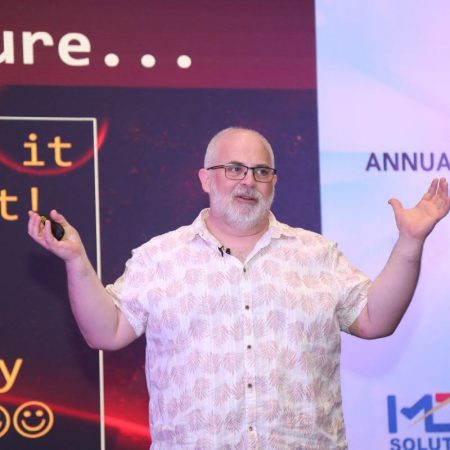
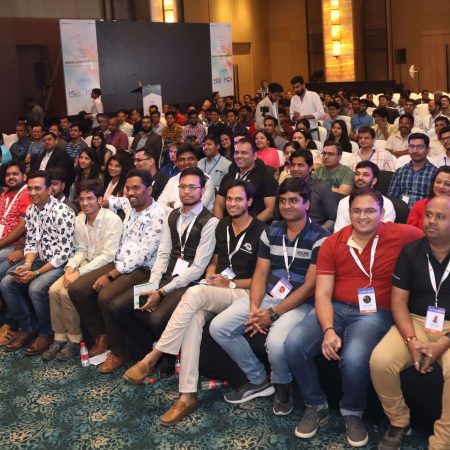


1, CBD, Maharaj Surajmal Road, Near Yamuna Sports Complex, Delhi, 110032





GENERAL QUERIES
Manish Tewatia
manish@csharpcon.com
+91-9718-431-042
TICKET QUERIES
Atul Gupta
conference@csharpcon.com
+91-9910-125-804