

Presents


Magnus Mårtensson
Microsoft Regional Director, Azure MVP, CEO Loftysoft

Avirag Jain
Director & CTO R Systems

Mahesh Chand
Founder C# Corner, CEO Mindcracker

Chris Gali
CEO & Co-Founder Graphite

Subinder Khurana
Chief Architect StoryProcess, Founder NASSCOM DeepTech Club

Bryan Rishforth
Investor, Chairman Graphite

Bryn Everson
Director Biz Dev Graphite

Raj Tiwari
Digital Transformation Leader, Futurist and Visionary

Joseph Guadagno
Microsoft MVP, Lead Quicken Loans

Nikita Sachdev
Entrepreneur, Blockchain Enthusiast & Advisor, Social Media Influencer

Doug Wagner
COO & Founder Adapt Technical Group

Ritesh Modi
Architect, Senior Evangelist, Cloud Architect

Crystal Wenrick
Director Communications Mindcracker

Allen O’Neill
Microsoft MVP, Consulting Engineer/Architect
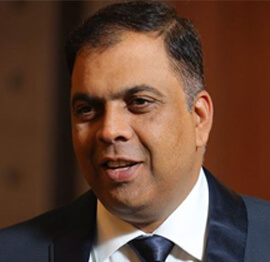
Praveen Kumar
CEO MCN Solutions

Chris Love
Founder Love2Dev, Microsoft MVP, Author

Sanjay Vyas
Microsoft Regional Director, Microsoft MVP, Founder & CEO SkillLabs Technologies

Veena Sarda
Deep Learning Consultant, Author

Sekhar Srinivasan
C# Corner MVP, Microsoft Certified Trainer, Pluralsight Author

Lalit Bansal
Founder & CEO - EIY SYS

Navdeep Garg
CEO Revinfotech

Prakash Tripathi
Tech Manager/Leader, Microsoft MVP, Blogger
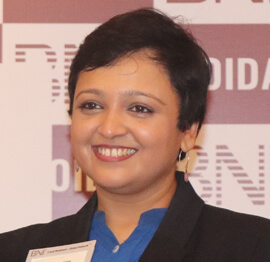
Bhavna Jain
Breakthrough Consultant

Naveen Sharma
Enterprise Architect, Leadership Coach, Author

Vidya Vrat Agarwal
Principal Architect, Microsoft MVP, Author

Sheetal Agarwal
Founder Clownselors, Medical Clown, Trainer

Abhishek Kant
Founder GTM Catalyst

Vishnu Saran
Founder & CEO VoiceQube

Sandeep Soni
Founder & CEO Deccansoft, Microsoft Certified Trainer

Parveen Malik
AVP InfoSec & Vulnerability Management, Information Security Expert

Nitin Pandit
Microsoft MVP, Developer Evangelist, Author

Niloshima Srivastava
C# Corner MVP, Tech Architect, Trainer, Blogger

Bala Chirtsabesan
Senior Software Engineer at Microsoft, Author

Manoj Mittal
Sr. Technical Architect, C# Corner MVP, Author

Chandni Di
Co-Founder Voice of Slum

Vithal Wadje
Technical Lead, Microsoft MVP, Author

Shivam Ahuja
Founder SkillCircle, Business Mentor

Chervine Bhiwoo
Solution Architect, Microsoft MVP, Author

Saurabh Jain
Vice President Paytm, Founder Fun2Do Labs, Author

Vinay Solanki
Head IoT at Lenovo, Founder IoT-NCR

Anshu kumari
Founder Blockchainkids, Inventor, Trainer

Amit Singal
CEO Startup Buddy

Dev Pratap
Co-Founder & CEO Voice of Slum

Amey Vartak
Technology Consultant, Full Stack Developer, C# Corner MVP, Author

Viswanatha Swamy
Principal Software Engineer, C# Corner MVP, Author

Sanket Verma
Research Engineer @ Ballistics (Forensics) and Chair, PyData Delhi

Sourabh Somani
Lead Developer, Microsoft MVP, Author

Abhishek Mishra
Software Architect, C# Corner MVP, Author

Siddharth Vaghasia
Technical Consultant, C# Corner MVP, Blogger

Bassam Alugili
Senior Software Specialist, Database Expert

S Ravi Kumar
Solution Architect, C# Corner MVP, Author

Sundaram Subramanian
Full Stack Developer, C# Corner MVP, Speaker

Deepesh Somani
Solution Architect, Microsoft MVP, Author

Debasis Saha
Technical Project Manager, C# Corner MVP, Blogger, Author

Vipul Jain
Software Architect, C# Corner MVP, Author

Akshay Patel
Technical Architect, Microsoft Certified Trainer, C# Corner MVP, Author

Stephen Simon
RPA Developer, Evangelist, Author

Vivek Sharma
Founder Kingster636, AR/VR Specialist

Jeetendra Gund
Technical Lead, C# Corner MVP, Author

Sujal Beniwal
AI Enthusiast, Student

M Viknaraj
Microsoft MVP, Azure Architect, Author

Prasham Sabadra
Software Architect, C# Corner MVP, Trainer, Author

Aakash Maurya
Senior Developer, C# Corner MVP, Speaker

Ankit Sharma
Senior Software Engineer, C# Corner MVP, Author

Mangesh Gaherwar
Team Lead, C# Corner MVP, Author

Viral Jain
Technical Consultant, C# Corner MVP, Author

Bhasker Das
Solution Architect, Evangelist

Manish Dwivedi
Associate Project Manager

Ck Nitin
Programmer, Author

Rohit Gupta
Technical Trainer, Author

Manish Tewatia
Full-stack Marketer, UX Designer

Bhavya Gaur
Technical Illustrator

Rohit Tomar
SEO/SMO Expert
Web Track
Cloud & Data Track
Dev Track
Registration & Breakfast
Future of Desktop Apps with JS (ElectronJs)
Nitin Pandit
Building Serverless Microservices Using Microsoft Azure
Vithal Wadje
Innovating RPA: A Robot for Every Person
Stephen Simon
Managing Cloud Storage Accounts using Logic Apps
Viknaraj Manogararajah
Data visualization using Python
Sekhar Srinivasan
Going Cross platform with AR Foundation
Vivek Sharma
Keynote
Managing your Azure dependencies in ASP.NET Core apps using VS
Bala Chirtsabesan
Securing Applications on Intelligent Azure
Abhishek Mishra
Getting started with Blazor the Framework of Future
S Ravi Kumar
Lunch
Build Progressive Web Apps using Angular 9
Debasis Saha
Build and deploy to any platform using Azure DevOps
Chervine Bhiwoo
Deep Dive in Azure Service Bus
Akshay Patel
Build a Native Mobile Application using React Native and JavaScript
Joseph Guadagno
Making sense of Web Job, Web Job SDK and Functions in Azure
Prakash Tripathi
CloudFront Distribution in AWS
Viral Jain
Tea Break
Introduction to PowerBI
Aakash Maurya
Build Advanced SPFx solutions with React and Graph API
Siddharth Vaghasia
Build Business Intelligence Analyst (BIA) Skills
Sundaram Subramanian
Deep dive of Power Platform – AI BUILDER
Prasham Sabadra
Panel 1
What's new in SharePoint development
Vipul Jain
Build a SSO (Single Sign On) based Native JavaScript application with Microsoft Identity within 10 minutes
Manoj Mittal
Panel 2
Applications and working of AI
Veena Sarda
Deploying serverless API's with .Net core 3.0 on AWS & Azure
Amey Vartak
Panel 3
Blockchain with .NET Core (Ark)
Anshu Kumari
Closing Note & Prize Distribution
Dev Track
Cloud Track
Architecture Track
Emerging Tech Track
Registration & Breakfast
Creating Full-Stack Web Apps Using Server-Side Blazor
Ankit Sharma
Real time face recognition with MS Cognitive Services
Niloshima Srivastava
Building Scalable APIs with GraphQL
Jeetendra Gund
Future of development with AI and Blockchain
Navdeep Garg
Debugging Tips and Tricks with Visual Studio 2019
Joseph Guadagno
Azure Containers
Abhishek Kant
Enterprise Architecture
Naveen Sharma
Bot Framework - learn it fast and look like a boss!
Allen O’Neill
Keynote
.Net Core & C# 8 Performance
David McCarter
Working with Azure kubernetes services
Ritesh Modi
Becoming an Architect
Vidyavrat Agarwal
Why Techies Need to Learn Product Management
Saurabh Jain
Lunch
Build a rules engine in .Net Core
Sanjay Vyas
Building CI and CD Pipeline using Azure DevOps
Sandeep Soni
Entity Framework Core - Tips and Tricks, Performance Optimization, and Tuning
Bassam Alugili
Hacking your way into Data Science
Sanket Verma
Speed up your .Net Core Website
Sourabh Somani
Azure
Magnus Mårtensson
Demystifying Open Distro for Elasticsearch
Suman Debnath
Future of Data
Shivam Ahuja
Tea Break
gRPC with C# and .Net Core
Mangesh Gaherwar
Panel 1
Essentials of Cloud security
Parveen Malik
Power platform and Dynamics 365
Deepesh Somani
Microservices - the gRPC Way
Viswanatha Swamy
Panel 2
Reserved
Reserved
Closing Note & Prize Distribution
Building reliable Azure Service Bus pub/sub consumers with .NET
Cloud applications often need to distribute an event to several independent services. An order may need to update inventory, send a customer notification, create an accounting record and trigger an analytics workflow. Sending the same message separately to every service creates tight coupling and makes future changes expensive.
Azure Service Bus topics provide a durable publish/subscribe model for this situation. A .NET publisher sends one message to a topic, while separate subscriptions receive their own copy. Each consumer can process the event at its own pace, apply filters and recover from temporary failures without interrupting the publisher.
Understanding topics and subscriptions
A Service Bus topic is the publication endpoint. Applications send messages to it, rather than directly addressing individual consumers. A subscription behaves like a virtual queue attached to that topic. Every eligible subscription receives a separate message copy, with its own delivery state, lock and dead-letter queue.
For example, an Australian retailer could publish an OrderPlaced event to an orders topic. The fulfilment subscription might update warehouse systems in Melbourne, the notifications subscription could send an SMS, and the reporting subscription could forward data to an Azure analytics service. None of these consumers needs to know the identity or availability of the others.
Subscriptions may use SQL-like rules to select messages. A message containing an area property could be routed to a regional workflow, while a channel property might distinguish online purchases from store transactions. Filters should reflect meaningful business boundaries rather than becoming a second, difficult-to-maintain programming language.
A topic and subscription must be provisioned before messages are sent. Production deployments commonly use Bicep, Terraform or the Azure SDK instead of creating entities manually in the portal. Infrastructure as code makes names, permissions, duplicate detection and retention settings visible in source control.
Designing the .NET publisher
The modern Azure.Messaging.ServiceBus package is the preferred client library for .NET applications. A publisher normally creates a ServiceBusClient, obtains a sender for the topic, serialises a message and sends it asynchronously. The client is designed for reuse, so creating a new client for every request should be avoided.
await using var client = new ServiceBusClient(connectionString);
ServiceBusSender sender = client.CreateSender("orders");

var message = new ServiceBusMessage(BinaryData.FromObjectAsJson(new
{
    OrderId = order.Id,
    CustomerId = order.CustomerId,
    Total = order.Total,
    CreatedUtc = DateTimeOffset.UtcNow
}))
{
    Subject = "OrderPlaced",
    ContentType = "application/json",
    MessageId = order.Id.ToString()
};

message.ApplicationProperties["channel"] = "online";
await sender.SendMessageAsync(message);
The event contract should remain stable and carry a schema version. Consumers may be upgraded at different times, particularly when services are maintained by teams in Sydney, Brisbane and Perth. Additive changes, tolerant readers and explicit versioning are safer than renaming or removing fields without a migration plan.
Use managed identity and Azure role-based access control wherever possible. A workload hosted in Azure App Service, Functions, Container Apps or AKS can authenticate without storing a connection string in configuration. Local development can use environment variables or user credentials, while production secrets remain in Azure Key Vault.
Publishing should be tied carefully to the business transaction. If an application saves an order in a database and then fails before sending its event, downstream services will never see it. The transactional outbox pattern records the event with the business change and publishes it through a separate worker, providing a reliable bridge between a relational database and Service Bus.
Choosing delivery, ordering and settlement behaviour
Service Bus delivery is at least once. A message can be delivered again after a timeout, process termination or network problem, so consumers must be idempotent. A consumer can store processed event identifiers, use a database uniqueness constraint or make the operation itself safely repeatable.
A receiver obtains a lock while handling a message. Successful processing calls CompleteMessageAsync; a temporary problem can call AbandonMessageAsync, allowing redelivery. A permanent or malformed message should be dead-lettered with a reason that helps operations teams diagnose the issue.
The .NET processor handles receiving, locking and callbacks:
var options = new ServiceBusProcessorOptions
{
    MaxConcurrentCalls = 8,
    PrefetchCount = 40,
    AutoCompleteMessages = false
};

await using var client = new ServiceBusClient(connectionString);
await using var processor = client.CreateProcessor("orders", "fulfilment", options);

processor.ProcessMessageAsync += async args =>
{
    var order = args.Message.Body.ToObjectFromJson<OrderPlaced>();

    await fulfilmentService.ReserveStockAsync(order);
    await args.CompleteMessageAsync(args.Message);
};

processor.ProcessErrorAsync += args =>
{
    logger.LogError(args.Exception, "Service Bus processing error");
    return Task.CompletedTask;
};

await processor.StartProcessingAsync();
MaxConcurrentCalls increases throughput, but it also increases pressure on databases, APIs and warehouse systems. PrefetchCount can reduce latency, yet an excessive value may cause messages to sit in a client buffer until their locks expire. Measure processing duration and tune these settings using realistic workloads.
Sessions provide ordered processing for related messages, such as all events for a single customer or shipment. They are useful when sequence matters, though they reduce flexibility and can create a hot session. Global ordering across a busy topic is usually a sign that the event design needs reconsideration.
| Approach | Delivery model | Ordering | Appropriate use |
|---|---|---|---|
| Topic with independent subscriptions | Each subscription receives its own copy | No global order | Multiple business capabilities consuming the same event |
| Topic with filtered subscriptions | Only matching subscriptions receive a copy | Depends on consumer design | Regional, product or channel-specific workflows |
| Queue | One competing consumer receives each message | Optional sessions | Work distribution for one processing capability |
| Topic subscription with sessions | One active receiver handles a session | Ordered within each session | Per-order or per-customer sequences |
| Topic with dead-letter handling | Failed messages are isolated | Preserved for inspection | Recoverable processing and operational diagnosis |
Controlling failures and duplicate work
A retry policy should distinguish transient faults from invalid data. A short outage in an Australian payment gateway may justify several delayed attempts, while a missing OrderId should be dead-lettered immediately. Exponential back-off prevents a failing dependency from being overwhelmed by rapid redelivery.
The maximum delivery count on a subscription determines when Service Bus moves a message to its dead-letter subqueue. Dead-letter records should include the original message, delivery count and failure reason. An operations process can inspect, correct and replay safe messages rather than silently discarding them.
Poison-message handling deserves an explicit ownership model. A support team may need to know whether a failure belongs to fulfilment, finance or a partner API. Azure Monitor alerts can track active messages, dead-letter counts, oldest message age and processor errors. These signals are more useful than a simple “application is running” health check.
Australian businesses also need to consider the Privacy Act 1988 and the Notifiable Data Breaches scheme when message bodies contain personal information. Customer names, addresses and contact details should be minimised, encrypted in transit and protected through least-privilege access. If a service sends data outside Australia, contractual and privacy requirements should be assessed rather than assuming that cloud location alone resolves compliance concerns.
Operating consumers across Australian workloads
A consumer may run as an Azure Function, a background worker in App Service, a container in AKS or a .NET process on a business server. Functions are convenient for variable workloads, while a continuously running worker provides more predictable control over concurrency and connection lifetime. The choice should follow processing duration, scaling behaviour and operational ownership.
Time handling is a common source of defects. Store event timestamps in UTC and convert them for display or local business rules. Sydney and Melbourne observe daylight saving time, while Brisbane does not, and Perth uses a different local offset. A message that says “run at 9 am” without a time zone is ambiguous across Australian offices.
Network architecture also affects reliability. Private endpoints, virtual network integration and firewall rules can improve security, though they require careful DNS and routing configuration. A consumer deployed in Melbourne may experience different latency from a dependency hosted in another Azure region. Regional placement, failover expectations and data residency should be documented before production launch.
Australian teams often schedule releases around customer activity and after-hours support availability. A national retailer may have heavy traffic during evening mobile shopping, while a regional service may depend on links with higher latency. Load tests should include peak periods, network interruptions and consumer restarts rather than testing only a quiet weekday morning.
Applying practical implementation safeguards
A clear event envelope helps every subscription interpret a message consistently. Useful fields include an event identifier, event type, schema version, occurrence time, producer name and correlation identifier. The business payload can then evolve without losing traceability across several services.
Logging should include MessageId, correlation data, subscription name and processing duration. Do not log access tokens or unnecessary personal information. Distributed tracing with OpenTelemetry can connect an HTTP request, the publisher and each downstream consumer, making it easier to find whether delay occurred before publication or during processing.
The following checks keep a pub/sub implementation predictable:
- Reuse
ServiceBusClient, sender and processor instances. - Set explicit lock renewal, concurrency and prefetch values.
- Make every handler safe to run more than once.
- Monitor active, deferred and dead-letter message counts.
Operational ownership should cover these areas:
- Define who investigates dead-lettered messages and how replay is authorised.
- Test managed identity permissions in a non-production subscription.
- Record retention, namespace region and disaster recovery assumptions.
- Exercise consumer shutdown during message processing.
Infrastructure should use separate namespaces or clearly isolated entities for development, test and production. Naming conventions can include the environment and bounded context, such as prod-orders and fulfilment. Access should be granted to the specific topic or subscription required by each workload instead of giving every service namespace-wide privileges.
Securing and scaling the complete flow
Azure Service Bus supports Standard and Premium tiers with different capabilities, throughput expectations and isolation characteristics. Premium messaging provides dedicated resources and is often appropriate for sensitive or high-volume workloads that need predictable performance. The selected tier should match message volume, latency targets and recovery requirements.
Scaling consumers horizontally is straightforward when messages are independent. Multiple instances can share a subscription and compete for messages, while separate subscriptions allow different capabilities to scale according to their own workload. Session-based consumers need extra care because a single session is processed by one active receiver at a time.
Testing should cover publisher retries, duplicate delivery, dead-letter replay, expired locks, revoked permissions and a restarted consumer. A useful test publishes one event, deliberately fails a handler, verifies redelivery and then confirms that the final business state is correct. Contract tests can ensure that a new publisher version remains compatible with existing .NET consumers.
For an Australian deployment, resilience planning should identify the impact of an Azure regional outage, an internet carrier interruption and a dependency failure in another state. Recovery point and recovery time objectives should be connected to actual business processes. With durable messaging, explicit contracts, secure identity and observable consumers, Azure Service Bus topics become a dependable boundary between independently evolving .NET services.









1, CBD, Maharaj Surajmal Road, Near Yamuna Sports Complex, Delhi, 110032



GENERAL QUERIES
Manish Tewatia
manish@csharpcon.com
+91-9718-431-042
TICKET QUERIES
Atul Gupta
conference@csharpcon.com
+91-9910-125-804