
Presents


Magnus Mårtensson
Microsoft Regional Director, Azure MVP, CEO Loftysoft

Avirag Jain
Director & CTO R Systems
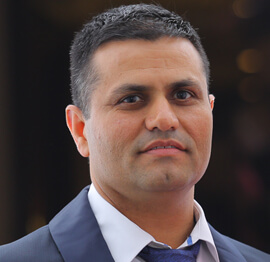
Mahesh Chand
Founder C# Corner, CEO Mindcracker

Chris Gali
CEO & Co-Founder Graphite

Subinder Khurana
Chief Architect StoryProcess, Founder NASSCOM DeepTech Club

Bryan Rishforth
Investor, Chairman Graphite

Bryn Everson
Director Biz Dev Graphite
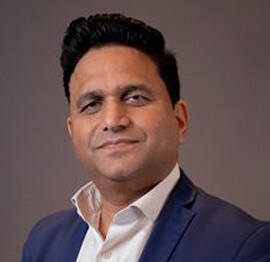
Raj Tiwari
Digital Transformation Leader, Futurist and Visionary

Joseph Guadagno
Microsoft MVP, Lead Quicken Loans

Nikita Sachdev
Entrepreneur, Blockchain Enthusiast & Advisor, Social Media Influencer

Doug Wagner
COO & Founder Adapt Technical Group

Ritesh Modi
Architect, Senior Evangelist, Cloud Architect

Crystal Wenrick
Director Communications Mindcracker

Allen O’Neill
Microsoft MVP, Consulting Engineer/Architect
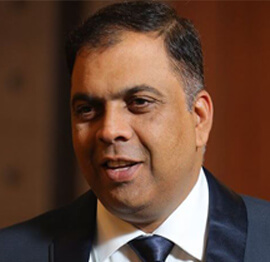
Praveen Kumar
CEO MCN Solutions

Chris Love
Founder Love2Dev, Microsoft MVP, Author

Sanjay Vyas
Microsoft Regional Director, Microsoft MVP, Founder & CEO SkillLabs Technologies

Veena Sarda
Deep Learning Consultant, Author

Sekhar Srinivasan
C# Corner MVP, Microsoft Certified Trainer, Pluralsight Author

Lalit Bansal
Founder & CEO - EIY SYS
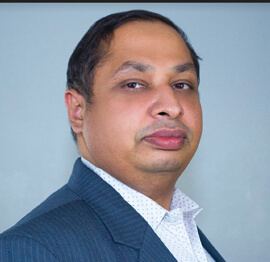
Navdeep Garg
CEO Revinfotech

Prakash Tripathi
Tech Manager/Leader, Microsoft MVP, Blogger
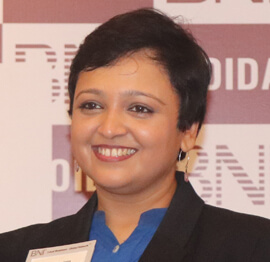
Bhavna Jain
Breakthrough Consultant

Naveen Sharma
Enterprise Architect, Leadership Coach, Author

Vidya Vrat Agarwal
Principal Architect, Microsoft MVP, Author

Sheetal Agarwal
Founder Clownselors, Medical Clown, Trainer

Abhishek Kant
Founder GTM Catalyst

Vishnu Saran
Founder & CEO VoiceQube

Sandeep Soni
Founder & CEO Deccansoft, Microsoft Certified Trainer

Parveen Malik
AVP InfoSec & Vulnerability Management, Information Security Expert

Nitin Pandit
Microsoft MVP, Developer Evangelist, Author

Niloshima Srivastava
C# Corner MVP, Tech Architect, Trainer, Blogger

Bala Chirtsabesan
Senior Software Engineer at Microsoft, Author

Manoj Mittal
Sr. Technical Architect, C# Corner MVP, Author

Chandni Di
Co-Founder Voice of Slum

Vithal Wadje
Technical Lead, Microsoft MVP, Author

Shivam Ahuja
Founder SkillCircle, Business Mentor

Chervine Bhiwoo
Solution Architect, Microsoft MVP, Author

Saurabh Jain
Vice President Paytm, Founder Fun2Do Labs, Author

Vinay Solanki
Head IoT at Lenovo, Founder IoT-NCR

Anshu kumari
Founder Blockchainkids, Inventor, Trainer

Amit Singal
CEO Startup Buddy

Dev Pratap
Co-Founder & CEO Voice of Slum

Amey Vartak
Technology Consultant, Full Stack Developer, C# Corner MVP, Author

Viswanatha Swamy
Principal Software Engineer, C# Corner MVP, Author

Sanket Verma
Research Engineer @ Ballistics (Forensics) and Chair, PyData Delhi

Sourabh Somani
Lead Developer, Microsoft MVP, Author
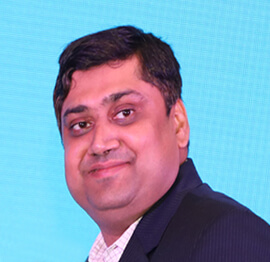
Abhishek Mishra
Software Architect, C# Corner MVP, Author

Siddharth Vaghasia
Technical Consultant, C# Corner MVP, Blogger
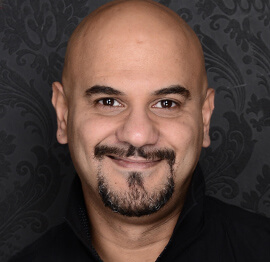
Bassam Alugili
Senior Software Specialist, Database Expert

S Ravi Kumar
Solution Architect, C# Corner MVP, Author

Sundaram Subramanian
Full Stack Developer, C# Corner MVP, Speaker

Deepesh Somani
Solution Architect, Microsoft MVP, Author
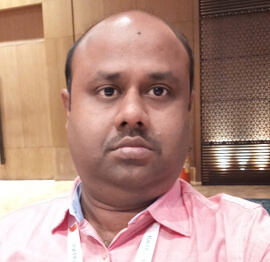
Debasis Saha
Technical Project Manager, C# Corner MVP, Blogger, Author

Vipul Jain
Software Architect, C# Corner MVP, Author

Akshay Patel
Technical Architect, Microsoft Certified Trainer, C# Corner MVP, Author

Stephen Simon
RPA Developer, Evangelist, Author
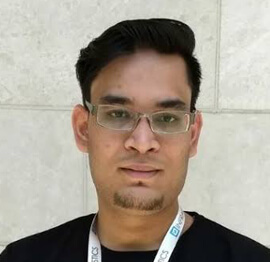
Vivek Sharma
Founder Kingster636, AR/VR Specialist

Jeetendra Gund
Technical Lead, C# Corner MVP, Author

Sujal Beniwal
AI Enthusiast, Student

M Viknaraj
Microsoft MVP, Azure Architect, Author

Prasham Sabadra
Software Architect, C# Corner MVP, Trainer, Author

Aakash Maurya
Senior Developer, C# Corner MVP, Speaker

Ankit Sharma
Senior Software Engineer, C# Corner MVP, Author

Mangesh Gaherwar
Team Lead, C# Corner MVP, Author

Viral Jain
Technical Consultant, C# Corner MVP, Author
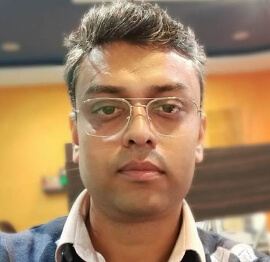
Bhasker Das
Solution Architect, Evangelist

Manish Dwivedi
Associate Project Manager

Ck Nitin
Programmer, Author

Rohit Gupta
Technical Trainer, Author

Manish Tewatia
Full-stack Marketer, UX Designer

Bhavya Gaur
Technical Illustrator

Rohit Tomar
SEO/SMO Expert
Web Track
Cloud & Data Track
Dev Track
Registration & Breakfast
Future of Desktop Apps with JS (ElectronJs)
Nitin Pandit
Building Serverless Microservices Using Microsoft Azure
Vithal Wadje
Innovating RPA: A Robot for Every Person
Stephen Simon
Managing Cloud Storage Accounts using Logic Apps
Viknaraj Manogararajah
Data visualization using Python
Sekhar Srinivasan
Going Cross platform with AR Foundation
Vivek Sharma
Keynote
Managing your Azure dependencies in ASP.NET Core apps using VS
Bala Chirtsabesan
Securing Applications on Intelligent Azure
Abhishek Mishra
Getting started with Blazor the Framework of Future
S Ravi Kumar
Lunch
Build Progressive Web Apps using Angular 9
Debasis Saha
Build and deploy to any platform using Azure DevOps
Chervine Bhiwoo
Deep Dive in Azure Service Bus
Akshay Patel
Build a Native Mobile Application using React Native and JavaScript
Joseph Guadagno
Making sense of Web Job, Web Job SDK and Functions in Azure
Prakash Tripathi
CloudFront Distribution in AWS
Viral Jain
Tea Break
Introduction to PowerBI
Aakash Maurya
Build Advanced SPFx solutions with React and Graph API
Siddharth Vaghasia
Build Business Intelligence Analyst (BIA) Skills
Sundaram Subramanian
Deep dive of Power Platform – AI BUILDER
Prasham Sabadra
Panel 1
What's new in SharePoint development
Vipul Jain
Build a SSO (Single Sign On) based Native JavaScript application with Microsoft Identity within 10 minutes
Manoj Mittal
Panel 2
Applications and working of AI
Veena Sarda
Deploying serverless API's with .Net core 3.0 on AWS & Azure
Amey Vartak
Panel 3
Blockchain with .NET Core (Ark)
Anshu Kumari
Closing Note & Prize Distribution
Dev Track
Cloud Track
Architecture Track
Emerging Tech Track
Registration & Breakfast
Creating Full-Stack Web Apps Using Server-Side Blazor
Ankit Sharma
Real time face recognition with MS Cognitive Services
Niloshima Srivastava
Building Scalable APIs with GraphQL
Jeetendra Gund
Future of development with AI and Blockchain
Navdeep Garg
Debugging Tips and Tricks with Visual Studio 2019
Joseph Guadagno
Azure Containers
Abhishek Kant
Enterprise Architecture
Naveen Sharma
Bot Framework - learn it fast and look like a boss!
Allen O’Neill
Keynote
.Net Core & C# 8 Performance
David McCarter
Working with Azure kubernetes services
Ritesh Modi
Becoming an Architect
Vidyavrat Agarwal
Why Techies Need to Learn Product Management
Saurabh Jain
Lunch
Build a rules engine in .Net Core
Sanjay Vyas
Building CI and CD Pipeline using Azure DevOps
Sandeep Soni
Entity Framework Core - Tips and Tricks, Performance Optimization, and Tuning
Bassam Alugili
Hacking your way into Data Science
Sanket Verma
Speed up your .Net Core Website
Sourabh Somani
Azure
Magnus Mårtensson
Demystifying Open Distro for Elasticsearch
Suman Debnath
Future of Data
Shivam Ahuja
Tea Break
gRPC with C# and .Net Core
Mangesh Gaherwar
Panel 1
Essentials of Cloud security
Parveen Malik
Power platform and Dynamics 365
Deepesh Somani
Microservices - the gRPC Way
Viswanatha Swamy
Panel 2
Reserved
Reserved
Closing Note & Prize Distribution
Building a .NET microservices gateway with Ocelot
Creating a microservices gateway with Ocelot in .NET gives development teams a focused way to control how clients reach distributed services. Ocelot runs as ASP.NET Core middleware or as a dedicated gateway deployment, using configuration to translate upstream request paths into downstream calls. The result is a consistent entry point for mobile apps, web clients, partner systems and internal APIs.
The gateway is most valuable when cross-cutting policies would otherwise be duplicated inside every service. Central route definitions, token validation, throttling, request limits and consistent telemetry can live at the edge, while pricing rules, order workflows and inventory decisions remain inside their owning domains. This separation keeps business code independent from transport concerns.
Australian teams add another dimension: infrastructure spans Sydney, Melbourne, Brisbane and Perth, and some workloads sit behind government security requirements in Canberra. A useful gateway design therefore has to balance cloud-region placement, latency, resilience, privacy obligations and predictable operating costs. These practices apply to a small .NET deployment or a larger platform built around Azure, AWS and existing on-premises systems.
Why a gateway belongs at the edge
A gateway creates a stable public contract while keeping internal service locations private. Clients send requests to one host or logical API, and the gateway decides which service should handle each request. This is particularly useful when teams deploy services independently, since changing an internal hostname no longer requires every consumer to change.
Ocelot fits naturally into an ASP.NET Core estate because it shares .NET configuration, dependency injection and middleware conventions. Route rules can cover authentication, authorisation, rate limiting, transformations and quality-of-service behaviour. The same route definition can therefore express operational policy rather than merely forwarding a URL.
The boundary should remain clear. Domain decisions belong in domain services, while the gateway owns ingress rules and shared traffic controls. A service mesh serves a different purpose: it manages communication between workloads, often with mutual TLS and fine-grained traffic policies. Many .NET platforms need both layers, and adding either one should follow an explicit architectural requirement.
Designing routes for real services
An upstream route identifies what clients call, while a downstream route identifies where the request goes. Placeholders such as {orderId} can be carried into the service, and UpstreamHttpMethod restricts matching to selected verbs. AuthenticationOptions binds a route to the bearer scheme and its permitted scopes.
{
  "Routes": [
    {
      "UpstreamPathTemplate": "/orders/{orderId}",
      "UpstreamHttpMethod": ["GET"],
      "DownstreamPathTemplate": "/orders/{orderId}",
      "DownstreamScheme": "http",
      "DownstreamHostAndPorts": [
        { "Host": "orders-api", "Port": 8080 }
      ],
      "AuthenticationOptions": {
        "AuthenticationProviderKey": "Bearer",
        "AllowedScopes": ["orders.read"]
      }
    }
  ]
}
The orders-api hostname assumes a container or service discovery environment. A local .NET service might instead use localhost and its development port. Ocelot can also integrate with supported discovery providers such as Consul, although a fixed address remains easier to audit when the service topology is stable.
Keep public paths aligned with consumer contracts rather than internal class names. Configuration can vary by environment without changing the route exposed to users, with secrets supplied separately from the route file. This allows the same gateway definition to run in a developer laptop, an automated test environment and an Australian cloud subscription.
Configuring Ocelot in ASP.NET Core
Add the Ocelot NuGet package, along with the JWT bearer package when token validation is required. Match the Ocelot package version to the .NET version supported by that release. The following startup code registers configuration, authentication and the gateway middleware.
var builder = WebApplication.CreateBuilder(args);

builder.Configuration.AddJsonFile(
    "ocelot.json", optional: false, reloadOnChange: true);

builder.Services.AddOcelot(builder.Configuration);
builder.Services.AddAuthentication()
    .AddJwtBearer(options =>
    {
        options.Authority =
            builder.Configuration["Identity:Authority"];
        options.Audience = "orders-api";
    });
builder.Services.AddAuthorization();

var app = builder.Build();

app.UseAuthentication();
app.UseAuthorization();
await app.UseOcelot();

app.Run();
Middleware order matters because route policies rely on the authenticated principal established by ASP.NET Core. The JWT configuration in this example assumes an OpenID Connect authority that publishes the expected signing keys and token metadata. Startup validation can also reject malformed route definitions, preventing invalid configuration from reaching production traffic.
| Capability | API gateway with Ocelot | Service mesh | Business service |
|---|---|---|---|
| Public entry point | Routes external requests into the platform | Usually operates inside the service network | Exposes domain endpoints |
| Authentication | Validates tokens and applies route policies | Handles workload identity and mutual TLS | Enforces domain-specific authorisation |
| Traffic control | Applies quotas and request limits | Governs east-west traffic and retries | Implements business rules |
| Service discovery | Supports dynamic backends when configured | Central participant | Registers or exposes endpoints |
| Failure handling | Protects the edge and routes around unavailable instances | Manages service-to-service resilience | Owns workflow recovery |
| Ownership | Platform or DevOps team | Infrastructure or platform team | Product or application team |
Securing traffic and limiting abuse
TLS can terminate at an ingress controller or load balancer, while Ocelot applies the application-level policies configured for each route. JWT validation should check the signature, issuer, audience, expiry and required scopes. A downstream service must still enforce permissions tied to the customer, order or account, since possession of a valid token does not grant every operation.
Apply quotas according to the client, route and authenticated identity. Ocelot can use Redis to share counters across gateway replicas, and a rejected request should return an appropriate 429 response with a usable Retry-After value. Teams can pair policy checks with NUnit and Moq testing at the unit layer.
Australian deployments must also account for the Privacy Act 1988, the Australian Privacy Principles and the OAIC’s Notifiable Data Breaches scheme where they apply. Gateway logs should avoid access tokens, credentials and unnecessary personal information, while retaining enough metadata for an investigation. Administrative and partner routes deserve separate protection through access restrictions, tighter request limits and auditable configuration changes.
Deploying across Australian cloud regions
Azure provides the Australia East region in Sydney and Australia Southeast in Melbourne, while AWS also offers Australian regions in both cities. Co-locating the gateway and its downstream services reduces unnecessary network travel, although not every managed service is available in every region. Service availability and recovery requirements should determine the placement, rather than the region label alone.
Australian Government agencies in Canberra commonly align gateway controls with the Australian Signals Directorate’s Essential Eight and their internal security requirements. Evidence of patching, identity management, logging and application protection can be collected from the platform layer, giving security teams a consistent view across multiple APIs. Managed identity, key rotation and configuration approval fit naturally into this operational model.
Brisbane and Perth users can experience higher latency when every request crosses to an east-coast region. Hybrid connectivity, DNS-aware routing, compression and selective regional replicas can reduce that impact where business requirements justify the extra complexity. Existing on-premises .NET systems may remain behind a private link, with the gateway handling secure translation between environments.
Commercial planning in Australia also benefits from costs expressed in Australian dollars, with GST accounted for separately in budgets. Gateway replicas, Redis capacity and cross-region traffic all contribute to cloud expenditure. Tagging requests by environment and service makes those costs attributable, while a defined monthly threshold prevents an unexpected traffic increase from becoming an oversized infrastructure bill.
Operating the gateway with confidence
Run gateway replicas behind a load balancer so a single process failure does not remove the API from service. Liveness checks should report whether the gateway process is healthy, while downstream failures should trigger the configured routing behaviour rather than restart every healthy replica. Ocelot’s quality-of-service options support timeouts, circuit breaking and retries, with retries restricted to operations that tolerate repetition.
Observability should connect the client request to its downstream call. OpenTelemetry instrumentation, correlation identifiers and structured logs provide that trace across ASP.NET Core and outbound HTTP requests. Useful measures include request rate, error rate and latency percentiles by route template, using the template instead of the raw path to keep identifiers out of metric labels. Logs need the same care around credentials and personal data.
Operational schedules require explicit time-zone handling across Australian offices. Sydney and Melbourne observe daylight saving, while Brisbane and Perth remain on standard time. Storing telemetry in UTC and rendering it with an IANA time zone prevents daylight-saving transitions from distorting incident timelines or release schedules. Runbooks, ownership and tested configuration rollback procedures turn the gateway into a dependable platform component whose policies, measurements and failure behaviour remain visible to every team.








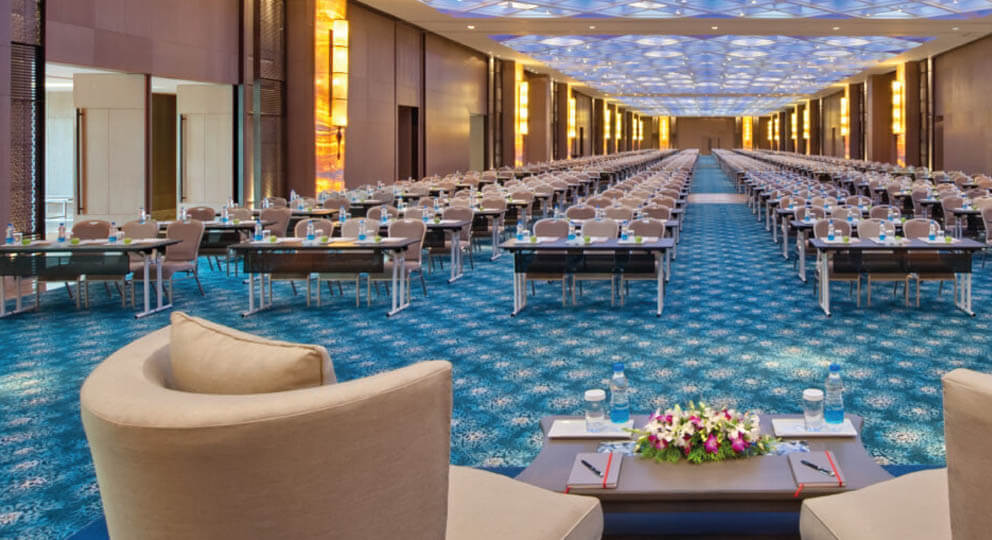
1, CBD, Maharaj Surajmal Road, Near Yamuna Sports Complex, Delhi, 110032




GENERAL QUERIES
Manish Tewatia
manish@csharpcon.com
+91-9718-431-042
TICKET QUERIES
Atul Gupta
conference@csharpcon.com
+91-9910-125-804