

Presents


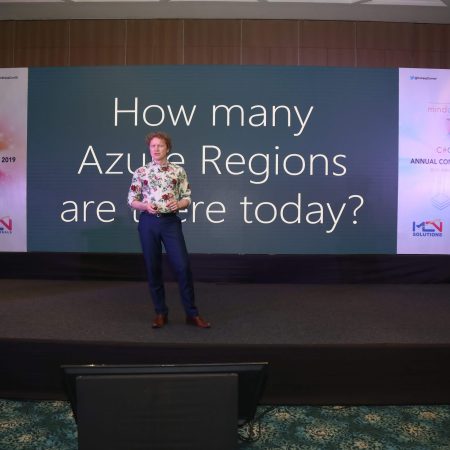
Magnus Mårtensson
Microsoft Regional Director, Azure MVP, CEO Loftysoft

Avirag Jain
Director & CTO R Systems

Mahesh Chand
Founder C# Corner, CEO Mindcracker

Chris Gali
CEO & Co-Founder Graphite

Subinder Khurana
Chief Architect StoryProcess, Founder NASSCOM DeepTech Club

Bryan Rishforth
Investor, Chairman Graphite

Bryn Everson
Director Biz Dev Graphite

Raj Tiwari
Digital Transformation Leader, Futurist and Visionary

Joseph Guadagno
Microsoft MVP, Lead Quicken Loans

Nikita Sachdev
Entrepreneur, Blockchain Enthusiast & Advisor, Social Media Influencer

Doug Wagner
COO & Founder Adapt Technical Group

Ritesh Modi
Architect, Senior Evangelist, Cloud Architect

Crystal Wenrick
Director Communications Mindcracker

Allen O’Neill
Microsoft MVP, Consulting Engineer/Architect

Praveen Kumar
CEO MCN Solutions

Chris Love
Founder Love2Dev, Microsoft MVP, Author

Sanjay Vyas
Microsoft Regional Director, Microsoft MVP, Founder & CEO SkillLabs Technologies

Veena Sarda
Deep Learning Consultant, Author

Sekhar Srinivasan
C# Corner MVP, Microsoft Certified Trainer, Pluralsight Author

Lalit Bansal
Founder & CEO - EIY SYS

Navdeep Garg
CEO Revinfotech

Prakash Tripathi
Tech Manager/Leader, Microsoft MVP, Blogger
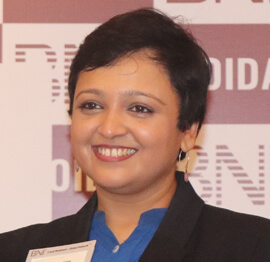
Bhavna Jain
Breakthrough Consultant

Naveen Sharma
Enterprise Architect, Leadership Coach, Author

Vidya Vrat Agarwal
Principal Architect, Microsoft MVP, Author

Sheetal Agarwal
Founder Clownselors, Medical Clown, Trainer

Abhishek Kant
Founder GTM Catalyst

Vishnu Saran
Founder & CEO VoiceQube

Sandeep Soni
Founder & CEO Deccansoft, Microsoft Certified Trainer

Parveen Malik
AVP InfoSec & Vulnerability Management, Information Security Expert

Nitin Pandit
Microsoft MVP, Developer Evangelist, Author

Niloshima Srivastava
C# Corner MVP, Tech Architect, Trainer, Blogger

Bala Chirtsabesan
Senior Software Engineer at Microsoft, Author

Manoj Mittal
Sr. Technical Architect, C# Corner MVP, Author

Chandni Di
Co-Founder Voice of Slum

Vithal Wadje
Technical Lead, Microsoft MVP, Author

Shivam Ahuja
Founder SkillCircle, Business Mentor

Chervine Bhiwoo
Solution Architect, Microsoft MVP, Author

Saurabh Jain
Vice President Paytm, Founder Fun2Do Labs, Author

Vinay Solanki
Head IoT at Lenovo, Founder IoT-NCR

Anshu kumari
Founder Blockchainkids, Inventor, Trainer

Amit Singal
CEO Startup Buddy

Dev Pratap
Co-Founder & CEO Voice of Slum

Amey Vartak
Technology Consultant, Full Stack Developer, C# Corner MVP, Author

Viswanatha Swamy
Principal Software Engineer, C# Corner MVP, Author

Sanket Verma
Research Engineer @ Ballistics (Forensics) and Chair, PyData Delhi

Sourabh Somani
Lead Developer, Microsoft MVP, Author

Abhishek Mishra
Software Architect, C# Corner MVP, Author

Siddharth Vaghasia
Technical Consultant, C# Corner MVP, Blogger

Bassam Alugili
Senior Software Specialist, Database Expert

S Ravi Kumar
Solution Architect, C# Corner MVP, Author

Sundaram Subramanian
Full Stack Developer, C# Corner MVP, Speaker

Deepesh Somani
Solution Architect, Microsoft MVP, Author

Debasis Saha
Technical Project Manager, C# Corner MVP, Blogger, Author

Vipul Jain
Software Architect, C# Corner MVP, Author

Akshay Patel
Technical Architect, Microsoft Certified Trainer, C# Corner MVP, Author

Stephen Simon
RPA Developer, Evangelist, Author

Vivek Sharma
Founder Kingster636, AR/VR Specialist

Jeetendra Gund
Technical Lead, C# Corner MVP, Author

Sujal Beniwal
AI Enthusiast, Student

M Viknaraj
Microsoft MVP, Azure Architect, Author

Prasham Sabadra
Software Architect, C# Corner MVP, Trainer, Author

Aakash Maurya
Senior Developer, C# Corner MVP, Speaker

Ankit Sharma
Senior Software Engineer, C# Corner MVP, Author

Mangesh Gaherwar
Team Lead, C# Corner MVP, Author

Viral Jain
Technical Consultant, C# Corner MVP, Author

Bhasker Das
Solution Architect, Evangelist

Manish Dwivedi
Associate Project Manager

Ck Nitin
Programmer, Author

Rohit Gupta
Technical Trainer, Author

Manish Tewatia
Full-stack Marketer, UX Designer

Bhavya Gaur
Technical Illustrator

Rohit Tomar
SEO/SMO Expert
Web Track
Cloud & Data Track
Dev Track
Registration & Breakfast
Future of Desktop Apps with JS (ElectronJs)
Nitin Pandit
Building Serverless Microservices Using Microsoft Azure
Vithal Wadje
Innovating RPA: A Robot for Every Person
Stephen Simon
Managing Cloud Storage Accounts using Logic Apps
Viknaraj Manogararajah
Data visualization using Python
Sekhar Srinivasan
Going Cross platform with AR Foundation
Vivek Sharma
Keynote
Managing your Azure dependencies in ASP.NET Core apps using VS
Bala Chirtsabesan
Securing Applications on Intelligent Azure
Abhishek Mishra
Getting started with Blazor the Framework of Future
S Ravi Kumar
Lunch
Build Progressive Web Apps using Angular 9
Debasis Saha
Build and deploy to any platform using Azure DevOps
Chervine Bhiwoo
Deep Dive in Azure Service Bus
Akshay Patel
Build a Native Mobile Application using React Native and JavaScript
Joseph Guadagno
Making sense of Web Job, Web Job SDK and Functions in Azure
Prakash Tripathi
CloudFront Distribution in AWS
Viral Jain
Tea Break
Introduction to PowerBI
Aakash Maurya
Build Advanced SPFx solutions with React and Graph API
Siddharth Vaghasia
Build Business Intelligence Analyst (BIA) Skills
Sundaram Subramanian
Deep dive of Power Platform – AI BUILDER
Prasham Sabadra
Panel 1
What's new in SharePoint development
Vipul Jain
Build a SSO (Single Sign On) based Native JavaScript application with Microsoft Identity within 10 minutes
Manoj Mittal
Panel 2
Applications and working of AI
Veena Sarda
Deploying serverless API's with .Net core 3.0 on AWS & Azure
Amey Vartak
Panel 3
Blockchain with .NET Core (Ark)
Anshu Kumari
Closing Note & Prize Distribution
Dev Track
Cloud Track
Architecture Track
Emerging Tech Track
Registration & Breakfast
Creating Full-Stack Web Apps Using Server-Side Blazor
Ankit Sharma
Real time face recognition with MS Cognitive Services
Niloshima Srivastava
Building Scalable APIs with GraphQL
Jeetendra Gund
Future of development with AI and Blockchain
Navdeep Garg
Debugging Tips and Tricks with Visual Studio 2019
Joseph Guadagno
Azure Containers
Abhishek Kant
Enterprise Architecture
Naveen Sharma
Bot Framework - learn it fast and look like a boss!
Allen O’Neill
Keynote
.Net Core & C# 8 Performance
David McCarter
Working with Azure kubernetes services
Ritesh Modi
Becoming an Architect
Vidyavrat Agarwal
Why Techies Need to Learn Product Management
Saurabh Jain
Lunch
Build a rules engine in .Net Core
Sanjay Vyas
Building CI and CD Pipeline using Azure DevOps
Sandeep Soni
Entity Framework Core - Tips and Tricks, Performance Optimization, and Tuning
Bassam Alugili
Hacking your way into Data Science
Sanket Verma
Speed up your .Net Core Website
Sourabh Somani
Azure
Magnus Mårtensson
Demystifying Open Distro for Elasticsearch
Suman Debnath
Future of Data
Shivam Ahuja
Tea Break
gRPC with C# and .Net Core
Mangesh Gaherwar
Panel 1
Essentials of Cloud security
Parveen Malik
Power platform and Dynamics 365
Deepesh Somani
Microservices - the gRPC Way
Viswanatha Swamy
Panel 2
Reserved
Reserved
Closing Note & Prize Distribution
Azure DevTest Labs for Secure .NET Development Workflows
Developers in Sydney and Melbourne are increasingly adopting ephemeral cloud environments to support modern .NET workloads. Azure DevTest Labs provides a managed framework for spinning up pre-configured virtual machines, container hosts, and PaaS resources that mirror production configurations without lingering in personal subscriptions. When teams treat these labs as disposable, security boundaries tighten, costs drop, and onboarding for contractors becomes a matter of minutes rather than weeks.
For Australian organisations bound by the Privacy Act 1988 and the Notifiable Data Breaches scheme, the isolation story matters as much as the productivity gains. By funnelling sensitive workloads through short-lived lab environments hosted in the Australia East or Australia Southeast regions, teams can demonstrate data minimisation and uphold the Australian Privacy Principles while keeping developers productive. The rest of this piece walks through the practical mechanics of using Azure DevTest Labs for isolated .NET development, from artefact templates through to cost governance.
Understanding Azure DevTest Labs for .NET Teams
At its core, the service is a subscription-scoped wrapper around Azure compute, networking, and storage. A lab owner defines formulas, custom images, and artefacts that describe what a workstation looks like, and developers request instances on demand. For .NET teams, that means an environment can ship with a specific SDK pin such as .NET 8 alongside the older 6.0 runtime, Visual Studio or VS Code remote tooling, and pre-installed test agents. Once the work is done, the environment can be deleted and rebuilt on the next morning's stand-up.
The model fits well with how Australian engineering squads operate. Many Brisbane-based fintechs and Sydney-based enterprises rely on cross-functional pods that rotate between projects, so a permanent developer machine is rarely desirable. By treating each lab VM as cattle rather than a pet, teams avoid the drift that creeps in when someone runs an experimental PowerShell module locally and forgets about it. Labs also expose role-based access through Azure Active Directory, which makes it straightforward to map a contractor's account to a temporary group with just enough permissions to request a workspace.
There is a soft cost ceiling built into the service. Owners can apply policies that shut down machines at 7 pm AEST and start them at 7 am, mirroring typical Australian working hours and protecting budgets when developers forget to power off their boxes after a long Friday arvo. Auto-start and auto-stop schedules integrate with cost tags, so finance teams in the CBDs of Sydney and Melbourne can attribute spend to specific cost centres without chasing receipts.
Spinning Up Isolated .NET Stacks
The isolation piece is the heart of why many Australian IT teams adopt the service. Each lab lives within its own resource group, and network isolation can be enforced through private endpoints, service endpoints, and NSG rules. A common pattern is to pair the lab with a virtual network that only routes to internal artefact feeds, NuGet mirrors, and Azure Container Registry instances hosted in the same region. Developers never touch the public internet for package restores, which keeps source code and dependency metadata away from third-party logs.
Formula images make the isolation repeatable. Teams in Perth working on government-related workloads have built golden images that include only the .NET runtimes required by their codebase, hardened local admin policies, and Sysmon configurations aligned with the Australian Signals Directorate's Essential Eight mitigation strategies. When a new engineer joins, they claim a workstation from the gallery, and within ten minutes they have a sealed environment that satisfies the organisation's security baseline without writing a single line of Group Policy.
Container-based environments offer another isolation angle. DevTest Labs supports nested virtualisation in Dv3 and Dsv3 series VMs, so a developer can run Windows containers alongside Linux containers through Docker Desktop. This is handy for .NET solutions that target multiple operating systems, such as a payment gateway integrated with a Commonwealth Bank-style core or a microservices platform consumed by a fintech like Airwallex. Each container boundary reinforces the broader isolation strategy, making accidental cross-talk between projects harder to engineer by mistake.
Cost Control and Quota Management
Cost governance is rarely optional, and Australian finance leaders expect granular reporting. DevTest Labs supports per-user quotas expressed in vCPU hours, which can be dialled up or down depending on a developer's role. A junior might be capped at 16 vCPU hours per week, while a senior architect running load tests can be granted a much larger envelope. Quotas pair with Azure Cost Management budgets that trigger email alerts to a finance distribution list when burn rate accelerates.
Pricing transparency is straightforward when labs are deployed to Australian regions. A D4s v3 lab VM running Windows in Australia East typically lands within a predictable band, and the service itself carries no additional licence fee beyond the underlying compute. For organisations operating across both Sydney and Melbourne, replicating the lab to Australia Southeast provides redundancy without leaving the country's data residency envelope, which keeps legal review cycles shorter under the Privacy Act.
Policy-driven cleanup is another lever worth pulling. Teams can configure the lab to delete any VM that has been deallocated for more than 30 days, preventing the classic scenario of forgotten developer sandboxes accumulating in a subscription. Tags like Project, CostCentre, and Owner propagate automatically, so reports generated for finance map cleanly to internal chargeback models. This kind of disciplined tagging is a habit many Australian DevOps engineers borrow from Atlassian-style practices that emphasise operational hygiene.
Security, Compliance, and Australian Considerations
Security is where Azure DevTest Labs earns its keep. Every lab can be wired into Microsoft Defender for Cloud, surfacing recommendations for hardening, missing patches, and exposed ports. The service integrates with Azure Policy so that organisations subject to APRA CPS 234, the prudential standard governing information security for banks, insurers, and superannuation funds, can enforce rules around encryption at rest, vulnerability scanning, and audit logging. For a Sydney-based mutual or a Melbourne-based super fund, that mapping between a lab environment and a regulated production environment simplifies evidence collection during audits.
Data residency is a familiar concern for Australian entities. Deploying labs to Australia East (Sydney) or Australia Southeast (Victoria) keeps workloads onshore, aligning with the data sovereignty commitments often required by federal agencies and increasingly demanded by state governments in places like Victoria and Queensland. The Digital Transformation Agency's hosting strategy reinforces the expectation that citizen data stays within Australian borders, and labs honour that by default.
Conditional Access and Azure Active Directory group membership provide the final layer. Contractors on a short-term engagement can be assigned to a group that expires after 90 days, at which point their lab access is revoked automatically. This pattern matches controls many Australian HR and procurement teams already apply through platforms such as SAP SuccessFactors or Workday. Audit logs flow into a Log Analytics workspace, and security teams can build queries that flag unusual activity, such as a developer requesting three labs in an hour from an unfamiliar IP range.
CI/CD Integration and Developer Experience
A standalone lab is useful, but the real payoff comes when labs slot into a delivery pipeline. Azure DevOps pipelines can trigger lab creation as part of a feature branch workflow, provisioning an environment that matches the developer's branch and tearing it down once the pull request merges. GitHub Actions works equally well, calling the DevTest Labs REST API to spin up or delete environments based on workflow runs. The result is a per-branch namespace where QA, product owners, and reviewers can validate behaviour in isolation.
For Australian teams following continuous delivery practices, the pattern reduces the friction of test data management. A lab can host a SQL Server instance pre-loaded with synthetic customer data that mimics what the production database holds, without ever touching a real record. Because the data is synthetic and the environment is ephemeral, the privacy risk profile is significantly lower. This approach dovetails with the Office of the Australian Information Commissioner's guidance on de-identification, giving privacy officers something tangible to point at during reviews.
Developer experience improves in subtle ways too. New starters at companies in Adelaide's Lot Fourteen innovation precinct or Brisbane's startup scene can be productive on day one rather than waiting for a laptop to arrive. Remote and regional employees in towns like Newcastle, Wollongong, or Hobart benefit as well, since the lab runs the workload rather than the developer's home NBN connection. That last detail is significant for accessibility, because a developer on a congested FttN segment does not have to download gigabytes of SDKs or rebuild containers over a contended link.
Comparing Lab Approaches for .NET Workloads
Before settling on Azure DevTest Labs, it helps to weigh it against alternatives. The summary below maps common approaches across axes that matter for Australian .NET teams.
| Approach | Isolation Strength | Cost Predictability | Operational Overhead | Compliance Mapping |
|---|---|---|---|---|
| Developer-owned VMs in a subscription | Low | Poor without tagging | High | Manual |
| Shared staging environment | Medium | Fixed monthly | Medium | Manual |
| Azure DevTest Labs | High | Quota-driven | Low | Built-in |
| Self-managed Kubernetes namespaces | Medium | Variable | High | Custom |
Azure DevTest Labs typically wins when teams want turnkey isolation without writing their own scheduler or policy engine. Self-managed Kubernetes shines when container-native workloads dominate, but the operational lift grows quickly for teams without a dedicated platform crew. Shared staging environments are the classic trade-off: cheap and predictable, yet they collapse isolation the moment two feature branches compete for the same database. Developer-owned VMs remain popular for one-off exploration, though compliance teams often push back because the boundary between personal and corporate data blurs. For most Australian .NET shops that need a repeatable, audit-ready setup without standing up a bespoke platform, DevTest Labs hits a sensible middle ground.










1, CBD, Maharaj Surajmal Road, Near Yamuna Sports Complex, Delhi, 110032





GENERAL QUERIES
Manish Tewatia
manish@csharpcon.com
+91-9718-431-042
TICKET QUERIES
Atul Gupta
conference@csharpcon.com
+91-9910-125-804