

Presents


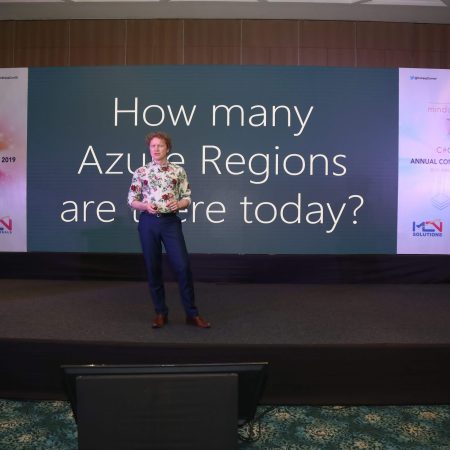
Magnus Mårtensson
Microsoft Regional Director, Azure MVP, CEO Loftysoft

Avirag Jain
Director & CTO R Systems

Mahesh Chand
Founder C# Corner, CEO Mindcracker

Chris Gali
CEO & Co-Founder Graphite

Subinder Khurana
Chief Architect StoryProcess, Founder NASSCOM DeepTech Club

Bryan Rishforth
Investor, Chairman Graphite

Bryn Everson
Director Biz Dev Graphite

Raj Tiwari
Digital Transformation Leader, Futurist and Visionary

Joseph Guadagno
Microsoft MVP, Lead Quicken Loans

Nikita Sachdev
Entrepreneur, Blockchain Enthusiast & Advisor, Social Media Influencer

Doug Wagner
COO & Founder Adapt Technical Group

Ritesh Modi
Architect, Senior Evangelist, Cloud Architect

Crystal Wenrick
Director Communications Mindcracker

Allen O’Neill
Microsoft MVP, Consulting Engineer/Architect

Praveen Kumar
CEO MCN Solutions

Chris Love
Founder Love2Dev, Microsoft MVP, Author

Sanjay Vyas
Microsoft Regional Director, Microsoft MVP, Founder & CEO SkillLabs Technologies

Veena Sarda
Deep Learning Consultant, Author

Sekhar Srinivasan
C# Corner MVP, Microsoft Certified Trainer, Pluralsight Author

Lalit Bansal
Founder & CEO - EIY SYS

Navdeep Garg
CEO Revinfotech

Prakash Tripathi
Tech Manager/Leader, Microsoft MVP, Blogger
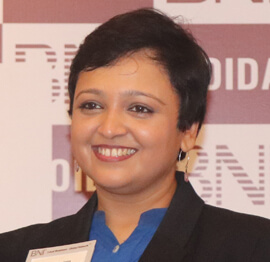
Bhavna Jain
Breakthrough Consultant

Naveen Sharma
Enterprise Architect, Leadership Coach, Author

Vidya Vrat Agarwal
Principal Architect, Microsoft MVP, Author

Sheetal Agarwal
Founder Clownselors, Medical Clown, Trainer

Abhishek Kant
Founder GTM Catalyst

Vishnu Saran
Founder & CEO VoiceQube

Sandeep Soni
Founder & CEO Deccansoft, Microsoft Certified Trainer

Parveen Malik
AVP InfoSec & Vulnerability Management, Information Security Expert

Nitin Pandit
Microsoft MVP, Developer Evangelist, Author

Niloshima Srivastava
C# Corner MVP, Tech Architect, Trainer, Blogger

Bala Chirtsabesan
Senior Software Engineer at Microsoft, Author

Manoj Mittal
Sr. Technical Architect, C# Corner MVP, Author

Chandni Di
Co-Founder Voice of Slum

Vithal Wadje
Technical Lead, Microsoft MVP, Author

Shivam Ahuja
Founder SkillCircle, Business Mentor

Chervine Bhiwoo
Solution Architect, Microsoft MVP, Author

Saurabh Jain
Vice President Paytm, Founder Fun2Do Labs, Author

Vinay Solanki
Head IoT at Lenovo, Founder IoT-NCR

Anshu kumari
Founder Blockchainkids, Inventor, Trainer

Amit Singal
CEO Startup Buddy

Dev Pratap
Co-Founder & CEO Voice of Slum

Amey Vartak
Technology Consultant, Full Stack Developer, C# Corner MVP, Author

Viswanatha Swamy
Principal Software Engineer, C# Corner MVP, Author

Sanket Verma
Research Engineer @ Ballistics (Forensics) and Chair, PyData Delhi

Sourabh Somani
Lead Developer, Microsoft MVP, Author

Abhishek Mishra
Software Architect, C# Corner MVP, Author

Siddharth Vaghasia
Technical Consultant, C# Corner MVP, Blogger

Bassam Alugili
Senior Software Specialist, Database Expert

S Ravi Kumar
Solution Architect, C# Corner MVP, Author

Sundaram Subramanian
Full Stack Developer, C# Corner MVP, Speaker

Deepesh Somani
Solution Architect, Microsoft MVP, Author

Debasis Saha
Technical Project Manager, C# Corner MVP, Blogger, Author

Vipul Jain
Software Architect, C# Corner MVP, Author

Akshay Patel
Technical Architect, Microsoft Certified Trainer, C# Corner MVP, Author

Stephen Simon
RPA Developer, Evangelist, Author

Vivek Sharma
Founder Kingster636, AR/VR Specialist

Jeetendra Gund
Technical Lead, C# Corner MVP, Author

Sujal Beniwal
AI Enthusiast, Student

M Viknaraj
Microsoft MVP, Azure Architect, Author

Prasham Sabadra
Software Architect, C# Corner MVP, Trainer, Author

Aakash Maurya
Senior Developer, C# Corner MVP, Speaker

Ankit Sharma
Senior Software Engineer, C# Corner MVP, Author

Mangesh Gaherwar
Team Lead, C# Corner MVP, Author

Viral Jain
Technical Consultant, C# Corner MVP, Author

Bhasker Das
Solution Architect, Evangelist

Manish Dwivedi
Associate Project Manager

Ck Nitin
Programmer, Author

Rohit Gupta
Technical Trainer, Author

Manish Tewatia
Full-stack Marketer, UX Designer

Bhavya Gaur
Technical Illustrator

Rohit Tomar
SEO/SMO Expert
Web Track
Cloud & Data Track
Dev Track
Registration & Breakfast
Future of Desktop Apps with JS (ElectronJs)
Nitin Pandit
Building Serverless Microservices Using Microsoft Azure
Vithal Wadje
Innovating RPA: A Robot for Every Person
Stephen Simon
Managing Cloud Storage Accounts using Logic Apps
Viknaraj Manogararajah
Data visualization using Python
Sekhar Srinivasan
Going Cross platform with AR Foundation
Vivek Sharma
Keynote
Managing your Azure dependencies in ASP.NET Core apps using VS
Bala Chirtsabesan
Securing Applications on Intelligent Azure
Abhishek Mishra
Getting started with Blazor the Framework of Future
S Ravi Kumar
Lunch
Build Progressive Web Apps using Angular 9
Debasis Saha
Build and deploy to any platform using Azure DevOps
Chervine Bhiwoo
Deep Dive in Azure Service Bus
Akshay Patel
Build a Native Mobile Application using React Native and JavaScript
Joseph Guadagno
Making sense of Web Job, Web Job SDK and Functions in Azure
Prakash Tripathi
CloudFront Distribution in AWS
Viral Jain
Tea Break
Introduction to PowerBI
Aakash Maurya
Build Advanced SPFx solutions with React and Graph API
Siddharth Vaghasia
Build Business Intelligence Analyst (BIA) Skills
Sundaram Subramanian
Deep dive of Power Platform – AI BUILDER
Prasham Sabadra
Panel 1
What's new in SharePoint development
Vipul Jain
Build a SSO (Single Sign On) based Native JavaScript application with Microsoft Identity within 10 minutes
Manoj Mittal
Panel 2
Applications and working of AI
Veena Sarda
Deploying serverless API's with .Net core 3.0 on AWS & Azure
Amey Vartak
Panel 3
Blockchain with .NET Core (Ark)
Anshu Kumari
Closing Note & Prize Distribution
Dev Track
Cloud Track
Architecture Track
Emerging Tech Track
Registration & Breakfast
Creating Full-Stack Web Apps Using Server-Side Blazor
Ankit Sharma
Real time face recognition with MS Cognitive Services
Niloshima Srivastava
Building Scalable APIs with GraphQL
Jeetendra Gund
Future of development with AI and Blockchain
Navdeep Garg
Debugging Tips and Tricks with Visual Studio 2019
Joseph Guadagno
Azure Containers
Abhishek Kant
Enterprise Architecture
Naveen Sharma
Bot Framework - learn it fast and look like a boss!
Allen O’Neill
Keynote
.Net Core & C# 8 Performance
David McCarter
Working with Azure kubernetes services
Ritesh Modi
Becoming an Architect
Vidyavrat Agarwal
Why Techies Need to Learn Product Management
Saurabh Jain
Lunch
Build a rules engine in .Net Core
Sanjay Vyas
Building CI and CD Pipeline using Azure DevOps
Sandeep Soni
Entity Framework Core - Tips and Tricks, Performance Optimization, and Tuning
Bassam Alugili
Hacking your way into Data Science
Sanket Verma
Speed up your .Net Core Website
Sourabh Somani
Azure
Magnus Mårtensson
Demystifying Open Distro for Elasticsearch
Suman Debnath
Future of Data
Shivam Ahuja
Tea Break
gRPC with C# and .Net Core
Mangesh Gaherwar
Panel 1
Essentials of Cloud security
Parveen Malik
Power platform and Dynamics 365
Deepesh Somani
Microservices - the gRPC Way
Viswanatha Swamy
Panel 2
Reserved
Reserved
Closing Note & Prize Distribution
Using Azure Cosmos DB for Globally Distributed .NET Applications
Modern .NET applications often serve customers from several regions, yet users still expect fast responses, consistent business behavior, and uninterrupted access. A single database location can turn into a performance bottleneck when traffic crosses continents. Azure Cosmos DB addresses this problem by combining a globally distributed database engine with APIs, SDKs, and operational controls suited to cloud-native workloads.
For developers building with ASP.NET Core, .NET services, background workers, or event-driven systems, Cosmos DB provides more than geographic replication. Its data model, partitioning strategy, consistency options, throughput model, and regional failover capabilities all influence application design. The best results come when those decisions are made alongside the domain model rather than added after the first deployment.
The technology also fits naturally into the wider Microsoft Azure ecosystem. Application code can use managed identities, Azure Functions, Service Bus, Application Insights, and deployment pipelines while Cosmos DB handles globally replicated data. Understanding the trade-offs makes it easier to build a system that is responsive in production without creating unnecessary cost or operational complexity.
Why global distribution matters for .NET workloads
Network distance affects every request. A user in Singapore may experience a noticeable delay when an API hosted in Europe performs a database operation in the same European region. Even a well-optimized query cannot remove the physical distance between the client, application service, and data store. Replicating data close to application instances reduces this latency and supports a more predictable user experience.
Azure Cosmos DB supports multi-region writes and reads, allowing applications to use one or several Azure regions. A .NET application can connect through the Azure Cosmos DB SDK and select a preferred region for read operations. The SDK can then route requests toward an available location, reducing the need to write custom geography-aware connection logic.
Global distribution is especially useful for customer profiles, product catalogs, user preferences, telemetry, and collaboration data. These workloads commonly require high availability and rapid access from many locations. However, replication does not automatically solve every consistency problem. Business rules must define which values can be slightly stale and which operations require stronger guarantees.
Model data around access patterns
Cosmos DB supports document-oriented storage, making it a natural choice for JSON-based aggregates. A .NET record or class can represent a customer, order, device, or session, and the SDK can serialize it directly. This approach works well when the application usually retrieves an aggregate as a whole rather than joining many normalized tables.
A practical model begins with the queries the application must perform. If an order is generally loaded by customer and order identifier, those fields should guide the document shape and partition strategy. Embedding small, tightly related collections can reduce round trips, while separating large or independently changing data can prevent documents from becoming unwieldy.
Cross-partition queries are supported, but they may consume more request units and introduce additional latency. That does not mean every query must include the partition key, yet frequent cross-partition operations deserve careful review. A design that looks elegant in a relational diagram can become expensive if its common API requests scan many logical partitions.
The .NET SDK also supports LINQ, parameterized SQL queries, transactional batch operations, and optimistic concurrency through entity tags. These tools help developers preserve familiar programming patterns while adapting to a distributed document database. Good domain modeling remains essential because the database cannot compensate for unclear ownership of data or poorly defined update behavior.
Choose partition keys before scaling
The partition key determines how Cosmos DB distributes data and workload. A strong key has high cardinality, spreads requests evenly, and appears frequently in application operations. Examples might include tenant ID, customer ID, or a carefully selected geographic identifier. The right option depends on the workload, not on a universal rule.
A tenant key can be effective for a business application where customers operate independently. It keeps related documents together and may simplify authorization checks. However, a very large tenant can create a hot partition if most requests target that single value. In high-volume systems, a hierarchical or synthetic strategy may distribute activity more evenly.
Partition-key decisions are difficult to change after data and traffic patterns become established. Developers should estimate document growth, request frequency, and the busiest tenants before production deployment. Load testing with realistic traffic is more valuable than testing only average request volume because uneven access is often the source of throttling.
Request units, commonly called RUs, measure the work required for database operations. Point reads using an item identifier and partition key are usually efficient. Queries that sort, filter across partitions, or retrieve large payloads consume more resources. Keeping documents focused, selecting only necessary properties, and avoiding unnecessary scans can significantly improve efficiency.
Balance consistency with availability
Cosmos DB offers several consistency levels, including strong, bounded staleness, session, consistent prefix, and eventual consistency. Each level represents a different balance between read freshness, latency, throughput, and regional availability. Session consistency is often a practical default for user-facing .NET applications because a user can reliably read their own recent writes within a session.
Strong consistency is appropriate when an application must observe the latest committed value, such as a tightly controlled financial or inventory operation. It can impose geographic and availability constraints, particularly when regions are far apart. Using it everywhere may increase latency for workloads that could safely tolerate brief replication delay.
Eventual consistency can work well for social activity, recommendations, analytics dashboards, and content that does not require an immediate global view. Bounded staleness offers a middle ground by limiting how far a read may trail behind writes. The selection should be made per workload and business rule rather than treated as a database-wide ideology.
| Application need | Suitable approach | Design consideration |
|---|---|---|
| A user must see a recent profile update | Session consistency | Route reads through the user’s preferred region |
| Inventory or account values require the latest state | Strong or carefully scoped transactional logic | Review latency and multi-region availability |
| Feeds, recommendations, and dashboards tolerate delay | Eventual or bounded staleness | Optimize for throughput and global responsiveness |
| Related items must change together | Transactional batch within one logical partition | Keep all affected documents under the same partition key |
| Regional continuity is essential | Multi-region reads and writes | Define conflict resolution and test failover behavior |
Handle writes, conflicts, and failover
Multi-region writes allow applications to accept updates in several locations. This can reduce write latency for globally distributed users, but concurrent edits may produce conflicts. Cosmos DB provides conflict resolution policies, including last-write-wins and custom resolution approaches for supported APIs. The correct choice depends on whether newer timestamps truly represent the desired business outcome.
For example, a last-write-wins policy may be acceptable for a user’s display preference but unsafe for inventory reservations. In the latter case, the application may need an idempotent command model, a single logical owner for a particular operation, or a process that records competing updates for review. Database replication should not be mistaken for domain-level conflict management.
The Azure Cosmos DB .NET SDK includes retry behavior for transient failures and throttling responses. Developers should configure connection modes, preferred regions, retry limits, and cancellation tokens based on the application’s latency objectives. Excessive retries can lengthen requests and amplify pressure during an outage, so retry policy must have clear boundaries.
Observability completes the failover design. Application Insights, structured logs, dependency tracking, and Cosmos DB metrics can reveal regional latency, request-unit consumption, throttled requests, and failed operations. Teams familiar with cloud automation may also benefit from adjacent .NET workflow material such as RPA integration patterns, especially when distributed applications exchange data with business process automation systems.
Secure and operate the platform
Security begins with identity. Rather than placing account keys in configuration files, a .NET application can use Microsoft Entra ID and managed identity to obtain access through Azure role assignments. Key Vault can protect any remaining secrets, while private endpoints and network controls can limit exposure to trusted application networks.
Authorization should exist at both the application and data-access levels. A tenant-aware service must validate the caller’s tenant before constructing a partition-key query. Relying solely on a client-provided tenant identifier can expose data if the API does not derive and verify that value from authenticated claims.
Cost management requires visibility into both provisioned and consumed throughput. Autoscale can accommodate changing demand, while serverless capacity may suit sporadic workloads. Neither mode removes the need to optimize queries and document sizes. Monitoring RU consumption by operation helps identify inefficient endpoints before they become expensive at global scale.
Infrastructure as code makes regional deployments repeatable. Bicep, ARM templates, Terraform, or automated Azure CLI workflows can define accounts, databases, containers, indexing policies, regions, private networking, and diagnostic settings. A deployment pipeline should test configuration changes and confirm that new regions receive the intended data and access permissions.
Practical design checks
- Identify the busiest access patterns and include the partition key wherever practical.
- Measure latency and RU consumption from each target Azure region using production-like data.
- Choose consistency per business capability instead of applying the strongest level everywhere.
- Make commands idempotent so retries and regional failover do not duplicate side effects.
- Test backup recovery, regional outages, throttling, and conflict behavior before launch.
Prepare a production-ready architecture
A successful Cosmos DB implementation is an application architecture decision, not simply a storage migration. The API design, domain boundaries, partition key, consistency level, regional topology, and monitoring strategy must support the same business goals. When these pieces align, .NET teams can deliver low-latency experiences without building a separate database stack for every geography.
Start with a representative workload: model the main documents, implement a few real queries with the Azure Cosmos DB SDK, and measure them under concurrent traffic. Then test regional reads, failover, retries, conflict scenarios, and cost behavior. This evidence will produce better decisions than relying on default settings or benchmark results from unrelated data.
Use the conference’s Azure and .NET learning resources to deepen the design, then turn the concepts into a small working prototype. Validate its partitioning, consistency, security, and operational behavior with realistic scenarios before expanding it into a globally distributed production service.








1, CBD, Maharaj Surajmal Road, Near Yamuna Sports Complex, Delhi, 110032





GENERAL QUERIES
Manish Tewatia
manish@csharpcon.com
+91-9718-431-042
TICKET QUERIES
Atul Gupta
conference@csharpcon.com
+91-9910-125-804