

Presents


Magnus Mårtensson
Microsoft Regional Director, Azure MVP, CEO Loftysoft
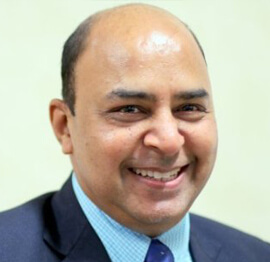
Avirag Jain
Director & CTO R Systems
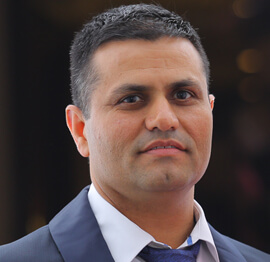
Mahesh Chand
Founder C# Corner, CEO Mindcracker
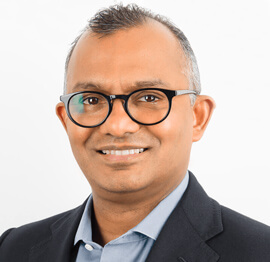
Chris Gali
CEO & Co-Founder Graphite

Subinder Khurana
Chief Architect StoryProcess, Founder NASSCOM DeepTech Club

Bryan Rishforth
Investor, Chairman Graphite

Bryn Everson
Director Biz Dev Graphite
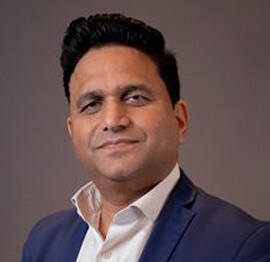
Raj Tiwari
Digital Transformation Leader, Futurist and Visionary
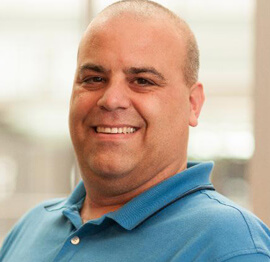
Joseph Guadagno
Microsoft MVP, Lead Quicken Loans

Nikita Sachdev
Entrepreneur, Blockchain Enthusiast & Advisor, Social Media Influencer

Doug Wagner
COO & Founder Adapt Technical Group

Ritesh Modi
Architect, Senior Evangelist, Cloud Architect

Crystal Wenrick
Director Communications Mindcracker

Allen O’Neill
Microsoft MVP, Consulting Engineer/Architect
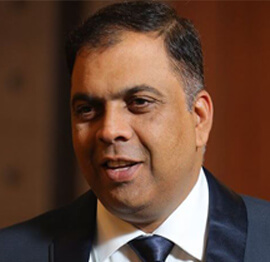
Praveen Kumar
CEO MCN Solutions

Chris Love
Founder Love2Dev, Microsoft MVP, Author

Sanjay Vyas
Microsoft Regional Director, Microsoft MVP, Founder & CEO SkillLabs Technologies

Veena Sarda
Deep Learning Consultant, Author

Sekhar Srinivasan
C# Corner MVP, Microsoft Certified Trainer, Pluralsight Author
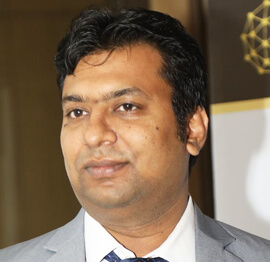
Lalit Bansal
Founder & CEO - EIY SYS
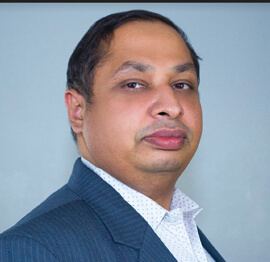
Navdeep Garg
CEO Revinfotech
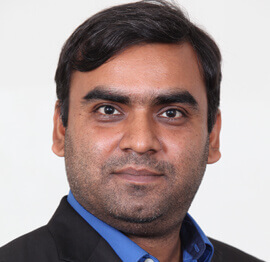
Prakash Tripathi
Tech Manager/Leader, Microsoft MVP, Blogger
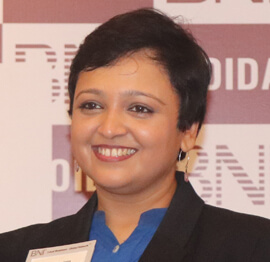
Bhavna Jain
Breakthrough Consultant

Naveen Sharma
Enterprise Architect, Leadership Coach, Author

Vidya Vrat Agarwal
Principal Architect, Microsoft MVP, Author

Sheetal Agarwal
Founder Clownselors, Medical Clown, Trainer
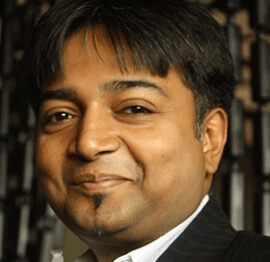
Abhishek Kant
Founder GTM Catalyst
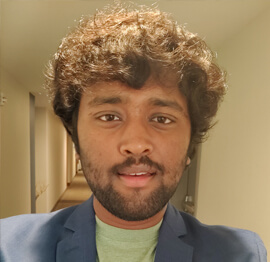
Vishnu Saran
Founder & CEO VoiceQube

Sandeep Soni
Founder & CEO Deccansoft, Microsoft Certified Trainer
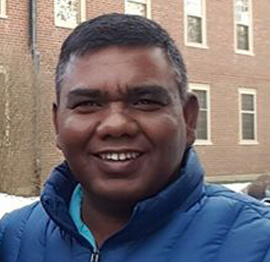
Parveen Malik
AVP InfoSec & Vulnerability Management, Information Security Expert

Nitin Pandit
Microsoft MVP, Developer Evangelist, Author
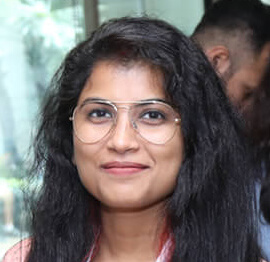
Niloshima Srivastava
C# Corner MVP, Tech Architect, Trainer, Blogger
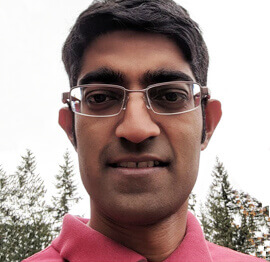
Bala Chirtsabesan
Senior Software Engineer at Microsoft, Author
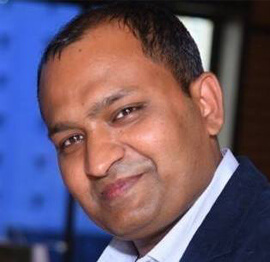
Manoj Mittal
Sr. Technical Architect, C# Corner MVP, Author

Chandni Di
Co-Founder Voice of Slum
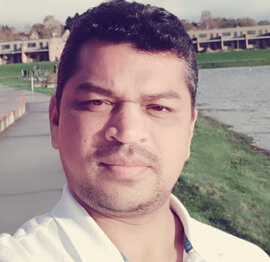
Vithal Wadje
Technical Lead, Microsoft MVP, Author

Shivam Ahuja
Founder SkillCircle, Business Mentor

Chervine Bhiwoo
Solution Architect, Microsoft MVP, Author

Saurabh Jain
Vice President Paytm, Founder Fun2Do Labs, Author
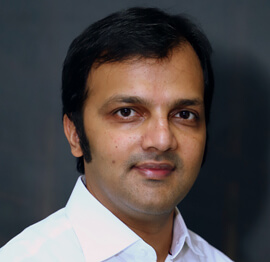
Vinay Solanki
Head IoT at Lenovo, Founder IoT-NCR

Anshu kumari
Founder Blockchainkids, Inventor, Trainer
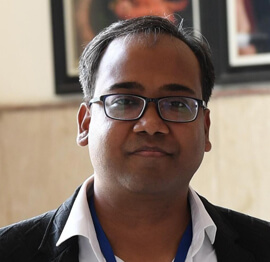
Amit Singal
CEO Startup Buddy
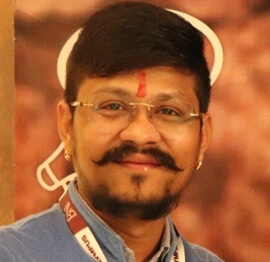
Dev Pratap
Co-Founder & CEO Voice of Slum

Amey Vartak
Technology Consultant, Full Stack Developer, C# Corner MVP, Author

Viswanatha Swamy
Principal Software Engineer, C# Corner MVP, Author

Sanket Verma
Research Engineer @ Ballistics (Forensics) and Chair, PyData Delhi

Sourabh Somani
Lead Developer, Microsoft MVP, Author
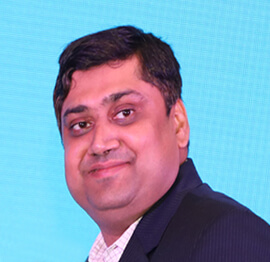
Abhishek Mishra
Software Architect, C# Corner MVP, Author

Siddharth Vaghasia
Technical Consultant, C# Corner MVP, Blogger
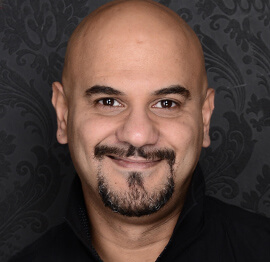
Bassam Alugili
Senior Software Specialist, Database Expert

S Ravi Kumar
Solution Architect, C# Corner MVP, Author

Sundaram Subramanian
Full Stack Developer, C# Corner MVP, Speaker

Deepesh Somani
Solution Architect, Microsoft MVP, Author

Debasis Saha
Technical Project Manager, C# Corner MVP, Blogger, Author
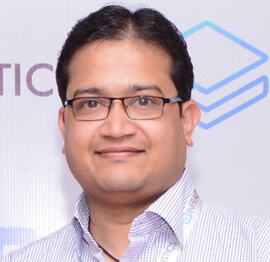
Vipul Jain
Software Architect, C# Corner MVP, Author
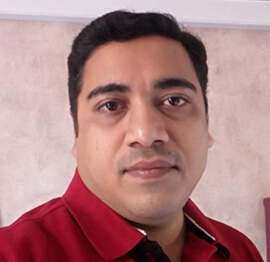
Akshay Patel
Technical Architect, Microsoft Certified Trainer, C# Corner MVP, Author

Stephen Simon
RPA Developer, Evangelist, Author
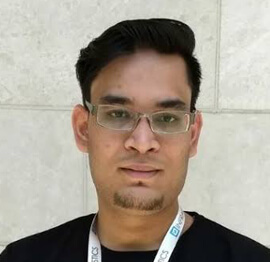
Vivek Sharma
Founder Kingster636, AR/VR Specialist
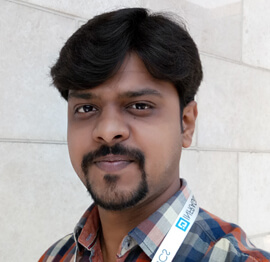
Jeetendra Gund
Technical Lead, C# Corner MVP, Author
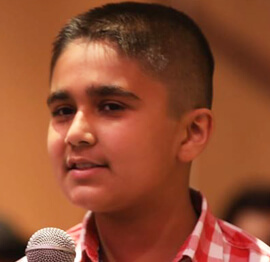
Sujal Beniwal
AI Enthusiast, Student

M Viknaraj
Microsoft MVP, Azure Architect, Author

Prasham Sabadra
Software Architect, C# Corner MVP, Trainer, Author
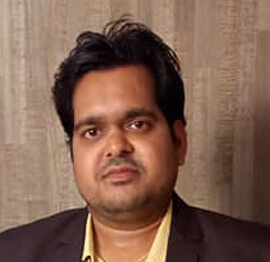
Aakash Maurya
Senior Developer, C# Corner MVP, Speaker

Ankit Sharma
Senior Software Engineer, C# Corner MVP, Author
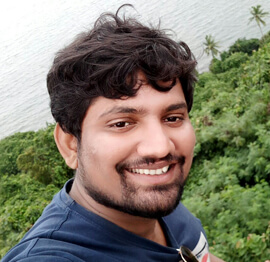
Mangesh Gaherwar
Team Lead, C# Corner MVP, Author

Viral Jain
Technical Consultant, C# Corner MVP, Author
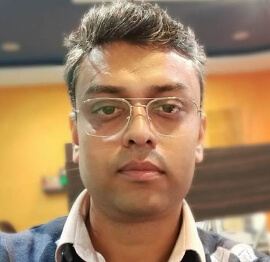
Bhasker Das
Solution Architect, Evangelist

Manish Dwivedi
Associate Project Manager

Ck Nitin
Programmer, Author
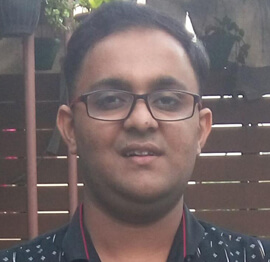
Rohit Gupta
Technical Trainer, Author

Manish Tewatia
Full-stack Marketer, UX Designer

Bhavya Gaur
Technical Illustrator
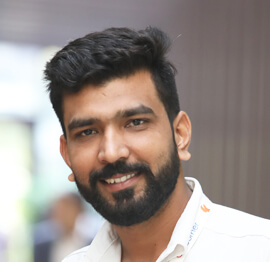
Rohit Tomar
SEO/SMO Expert
Web Track
Cloud & Data Track
Dev Track
Registration & Breakfast
Future of Desktop Apps with JS (ElectronJs)
Nitin Pandit
Building Serverless Microservices Using Microsoft Azure
Vithal Wadje
Innovating RPA: A Robot for Every Person
Stephen Simon
Managing Cloud Storage Accounts using Logic Apps
Viknaraj Manogararajah
Data visualization using Python
Sekhar Srinivasan
Going Cross platform with AR Foundation
Vivek Sharma
Keynote
Managing your Azure dependencies in ASP.NET Core apps using VS
Bala Chirtsabesan
Securing Applications on Intelligent Azure
Abhishek Mishra
Getting started with Blazor the Framework of Future
S Ravi Kumar
Lunch
Build Progressive Web Apps using Angular 9
Debasis Saha
Build and deploy to any platform using Azure DevOps
Chervine Bhiwoo
Deep Dive in Azure Service Bus
Akshay Patel
Build a Native Mobile Application using React Native and JavaScript
Joseph Guadagno
Making sense of Web Job, Web Job SDK and Functions in Azure
Prakash Tripathi
CloudFront Distribution in AWS
Viral Jain
Tea Break
Introduction to PowerBI
Aakash Maurya
Build Advanced SPFx solutions with React and Graph API
Siddharth Vaghasia
Build Business Intelligence Analyst (BIA) Skills
Sundaram Subramanian
Deep dive of Power Platform – AI BUILDER
Prasham Sabadra
Panel 1
What's new in SharePoint development
Vipul Jain
Build a SSO (Single Sign On) based Native JavaScript application with Microsoft Identity within 10 minutes
Manoj Mittal
Panel 2
Applications and working of AI
Veena Sarda
Deploying serverless API's with .Net core 3.0 on AWS & Azure
Amey Vartak
Panel 3
Blockchain with .NET Core (Ark)
Anshu Kumari
Closing Note & Prize Distribution
Dev Track
Cloud Track
Architecture Track
Emerging Tech Track
Registration & Breakfast
Creating Full-Stack Web Apps Using Server-Side Blazor
Ankit Sharma
Real time face recognition with MS Cognitive Services
Niloshima Srivastava
Building Scalable APIs with GraphQL
Jeetendra Gund
Future of development with AI and Blockchain
Navdeep Garg
Debugging Tips and Tricks with Visual Studio 2019
Joseph Guadagno
Azure Containers
Abhishek Kant
Enterprise Architecture
Naveen Sharma
Bot Framework - learn it fast and look like a boss!
Allen O’Neill
Keynote
.Net Core & C# 8 Performance
David McCarter
Working with Azure kubernetes services
Ritesh Modi
Becoming an Architect
Vidyavrat Agarwal
Why Techies Need to Learn Product Management
Saurabh Jain
Lunch
Build a rules engine in .Net Core
Sanjay Vyas
Building CI and CD Pipeline using Azure DevOps
Sandeep Soni
Entity Framework Core - Tips and Tricks, Performance Optimization, and Tuning
Bassam Alugili
Hacking your way into Data Science
Sanket Verma
Speed up your .Net Core Website
Sourabh Somani
Azure
Magnus Mårtensson
Demystifying Open Distro for Elasticsearch
Suman Debnath
Future of Data
Shivam Ahuja
Tea Break
gRPC with C# and .Net Core
Mangesh Gaherwar
Panel 1
Essentials of Cloud security
Parveen Malik
Power platform and Dynamics 365
Deepesh Somani
Microservices - the gRPC Way
Viswanatha Swamy
Panel 2
Reserved
Reserved
Closing Note & Prize Distribution
Poker Final Table Approach: Reading Pressure, Position, And Value
Reaching a poker final table changes the character of a tournament. Earlier levels reward accumulation, calculated risks, and the willingness to challenge opponents for chips. Near the finish, every decision carries greater financial and strategic weight, while the shrinking field makes player tendencies easier to identify.
A strong poker final table approach combines mathematics with table awareness. Chip stacks, payout jumps, blind pressure, position, and opponent behavior must be assessed together rather than treated as separate details. A profitable decision may involve folding a hand that would usually be worth playing, while a well-timed raise can secure valuable chips without a showdown.
This same focus on preparation is useful when exploring online casino platforms. The LevelUp Casino review page aimed at Australian readers covers bonuses, free spins, tournaments, game variety, payment methods, mobile access, and VIP features. It also explains that the official platform blocks Australian access, so readers should check availability, local laws, and the latest terms before attempting to play.
| Final-table factor | Strategic priority | Practical response |
|---|---|---|
| Stack size | Preserve or apply leverage | Adjust opening ranges to the stacks around you |
| Payout structure | Protect equity near major jumps | Avoid marginal confrontations against covering stacks |
| Position | Control information and pot size | Apply pressure from late position |
| Opponent tendencies | Identify fear and aggression | Target predictable folds or excessive calls |
| Blind level | Account for escalating urgency | Avoid waiting until the stack becomes unplayable |
| Table dynamics | Manage changing relationships | Reassess after every elimination or double-up |
Read The Payout Structure Before The Cards
The prize ladder should influence decisions from the first hand at the final table. A player with a medium stack may have substantial tournament equity even when their chip count is not large enough to challenge for first place. Risking that equity in a marginal all-in can be costly when several shorter stacks face immediate elimination pressure.
This concept is often described through independent chip modeling, or ICM. Chips do not have a fixed cash value throughout a tournament. Winning chips helps, but losing chips near a payout jump can damage a player’s expected return more severely than the same number of chips would have earlier.
Look at the distance between payouts, the number of short stacks, and the relative strength of the chip leaders. A large stack can apply pressure because opponents may be reluctant to bust before a pay increase. A middle stack should avoid becoming the leader’s easiest target, while a short stack needs to find situations where fold equity and hand strength overlap.
Match Your Plan To Your Stack
The best strategy differs significantly between a chip leader, a middle stack, and a short stack. A chip leader can open frequently, especially against players who are trying to preserve their position. The goal is not to enter every pot, but to create repeated decisions for opponents who cannot comfortably call or re-raise.
Middle stacks require greater discipline. They often have enough chips to wait for good spots but not enough to absorb several failed bluffs or loose calls. Opening from late position, defending selectively from the blinds, and avoiding unnecessary clashes with the largest stack can preserve flexibility.
Short stacks should avoid passive deterioration. Waiting for premium cards may leave too few blinds to generate folds. Instead, identify hands with reasonable equity and shove potential before the stack falls into a desperate range. The timing of a re-shove can be more important than the absolute quality of the cards.
Use Position To Control Pressure
Position becomes especially valuable when the table is short-handed. Acting after an opponent provides additional information, and that information helps determine whether a pot should remain small or grow quickly. Late-position opens can win blinds and antes without requiring a showdown, while button and cutoff attacks often put maximum pressure on tight blinds.
Early-position play deserves more caution. A raise from under the gun represents strength because several players remain able to act. At a final table, opponents are often alert to stack dynamics and may respond aggressively when a raise appears vulnerable. Use a tighter opening range early and expand when the action reaches you with fewer players involved.
Post-flop, continuation betting should reflect board texture and stack depth. Dry boards can favor a small bet, particularly when the pre-flop raiser has a range advantage. Coordinated boards require more care because callers may have many draws and two-pair combinations. Bet sizing should communicate a coherent plan rather than reveal uncertainty.
Study Opponent Behavior
A final table is a concentrated information environment. Players reveal their preferences through raise sizes, decision speed, showdown choices, and reactions to pressure. Someone who consistently uses a minimum raise may be trying to control risk, while a player who suddenly makes a large open could be protecting a premium hand or attempting to exploit a cautious table.
Build simple profiles instead of relying on labels. Note who folds to three-bets, who calls too widely from the blinds, who attacks limpers, and who becomes passive after losing a large pot. These observations are more valuable than trying to guess an opponent’s exact holding every time.
Adaptation should remain balanced. If a cautious player finally enters a pot with a strong raise, give that action appropriate respect. If an aggressive player has been opening frequently, look for hands that can continue profitably rather than reacting emotionally. A sound poker final table approach uses evidence, not frustration, to justify adjustments.
Choose Bluffs With A Clear Purpose
Bluffing at the final table is effective when it places an opponent in a difficult decision, especially where the payout structure makes calling uncomfortable. The best targets are players with a stack that cannot easily call and recover, or opponents whose previous actions suggest they are overprotecting their tournament life.
A bluff should have a believable story across every street. Consider which stronger hands you represent, which weaker hands can fold, and whether the board changes in a way that supports your line. Random aggression can win a pot, but structured pressure is more reliable and easier to repeat.
Semi-bluffs are often preferable to pure bluffs. A flush draw, open-ended straight draw, or overcards may win immediately through fold equity and still have a path to improve when called. Stack-to-pot ratio matters here: a small remaining stack may make a direct all-in more practical than a sequence of bets that leaves the decision unclear.
Manage Tournament And Casino Variance
Tournament poker includes unavoidable variance. Strong decisions can lose, and a poor decision can occasionally be rewarded. The purpose of a final-table strategy is to improve expected outcomes over many events, not to guarantee a particular finish. Keeping decisions separate from results protects judgment when the pressure is highest.
Players comparing casino platforms should apply similar discipline to the surrounding product information. A promotional page for levelup casino describes welcome offers, free spins, casino games, tournaments, cryptocurrency deposits, payout options, VIP treatment, and mobile play. Bonus wagering requirements, game restrictions, withdrawal rules, and identity checks should be reviewed before any offer is accepted.
The site also presents licensing information and responsible gambling notices, but those claims should be checked against current official sources. Australian users should pay particular attention to jurisdictional restrictions because the official LevelUp Casino site blocks access from Australia. Promotional material cannot override local regulation or platform eligibility rules.
Make Decisions Efficiently Under Pressure
Time management matters when blinds and antes are rising. Before each hand, quickly identify your stack in big blinds, your position, the effective stack, and the likely payout implications. This short routine reduces impulsive decisions and prevents a player from focusing only on the strength of the hole cards.
A useful mental framework is range, leverage, and consequence. First estimate the ranges represented by the action. Next ask which stack benefits from applying pressure. Finally consider what happens if the decision goes wrong. This approach keeps strategic context visible when the table is moving quickly.
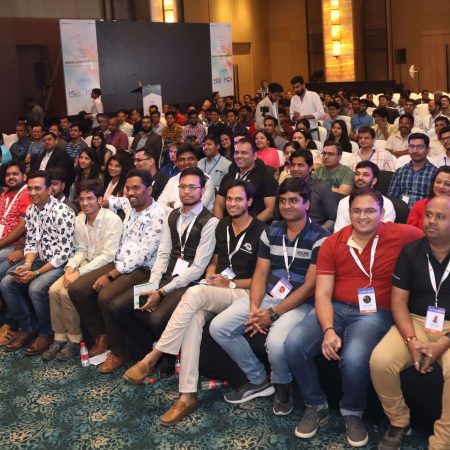
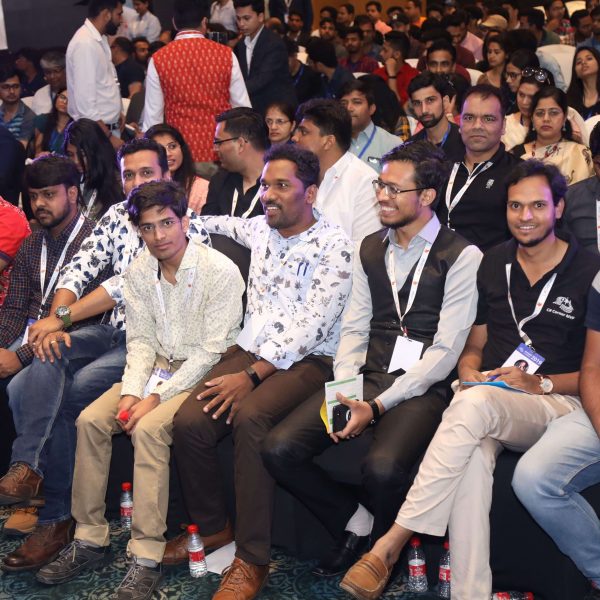
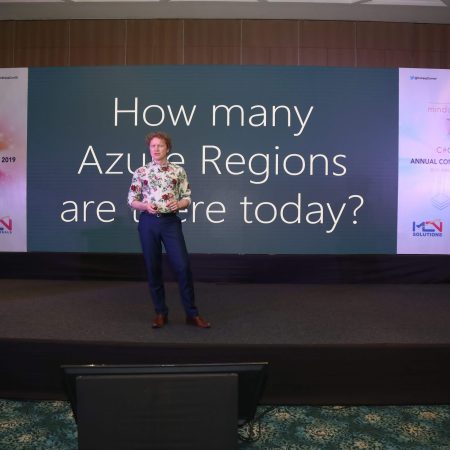
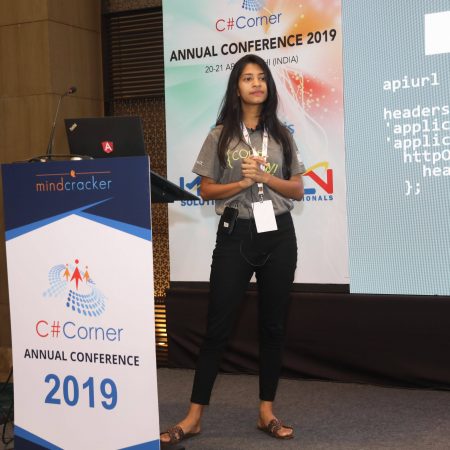
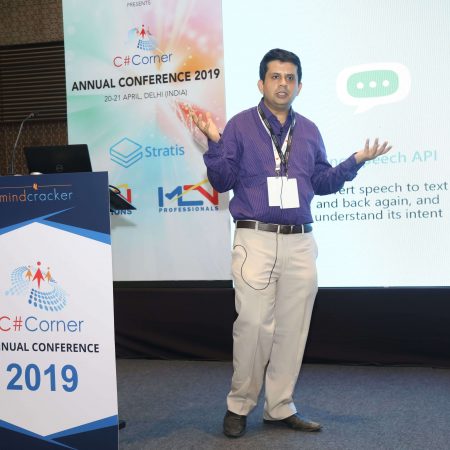
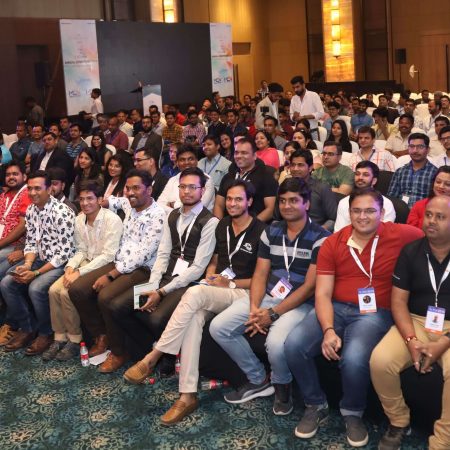
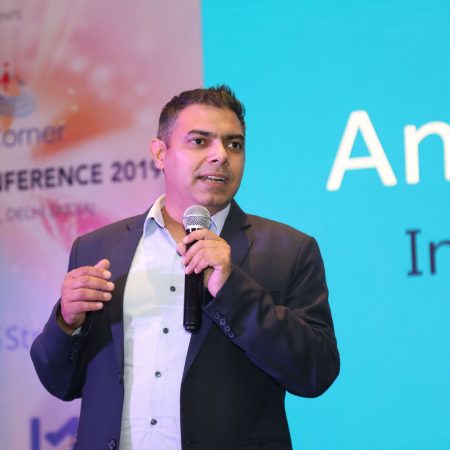
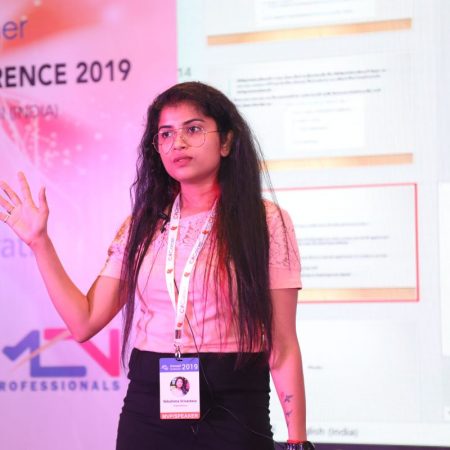
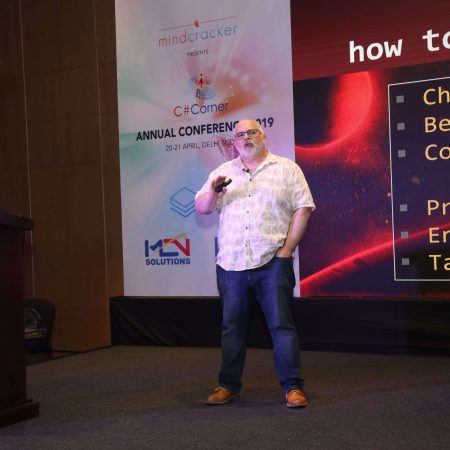
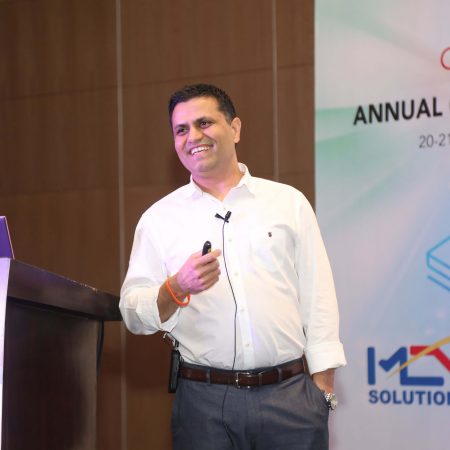
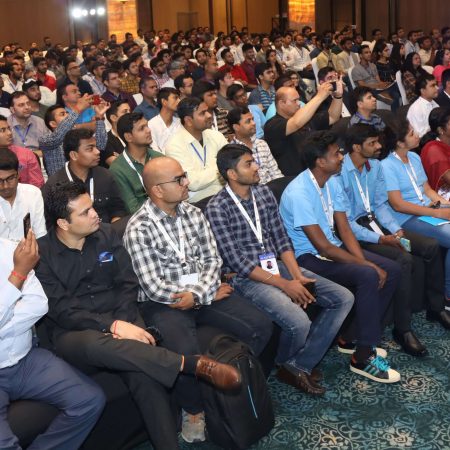
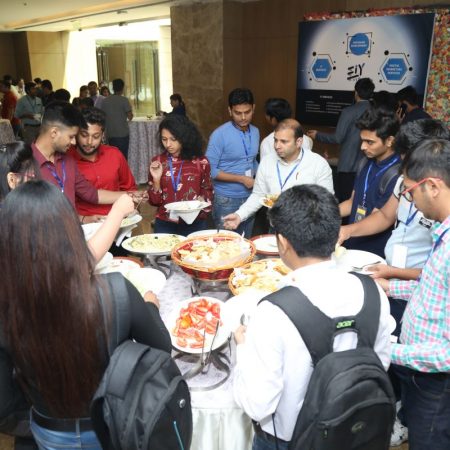
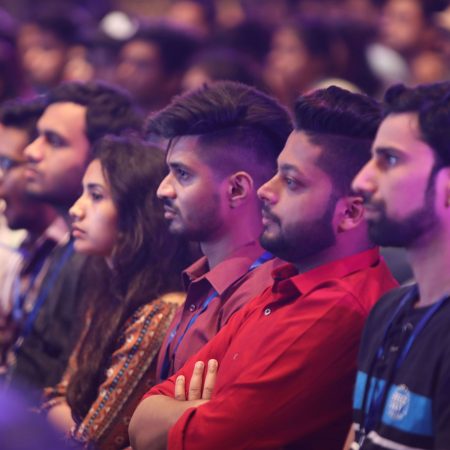
Technical professionals often recognize the value of this structured thinking. The C# Corner conference brings together sessions on cloud computing, data, DevOps, artificial intelligence, web development, and related fields, all areas where disciplined analysis supports better decisions. Poker rewards the same habit: gather relevant signals, evaluate changing conditions, and act according to a defined process rather than instinct alone.
Build A Sustainable Playing Routine
Preparation begins before the final table. Review previous hands, identify repeated leaks, and study common short-stack and pay-jump situations. A player who understands shove ranges, calling thresholds, blind defense, and ICM pressure will make faster decisions than someone trying to calculate everything for the first time under tournament lights.
Mental control is equally important. A final-table player may experience fatigue, excitement, fear of elimination, or pressure from spectators and large prizes. Short pauses, steady breathing, and consistent bet timing can prevent emotional reactions from affecting otherwise sound strategy. Confidence should come from preparation rather than from a temporary run of favorable cards.
Online casino play requires the same boundaries. Set a budget and time limit before playing, treat bonuses as conditional promotions rather than guaranteed value, and never chase losses. The LevelUp Casino information page includes responsible gambling guidance alongside its promotional coverage, while its FAQs address bonuses, payments, tournaments, mobile access, and account considerations. Players should use those details to make informed choices and stop when gambling no longer feels controlled.










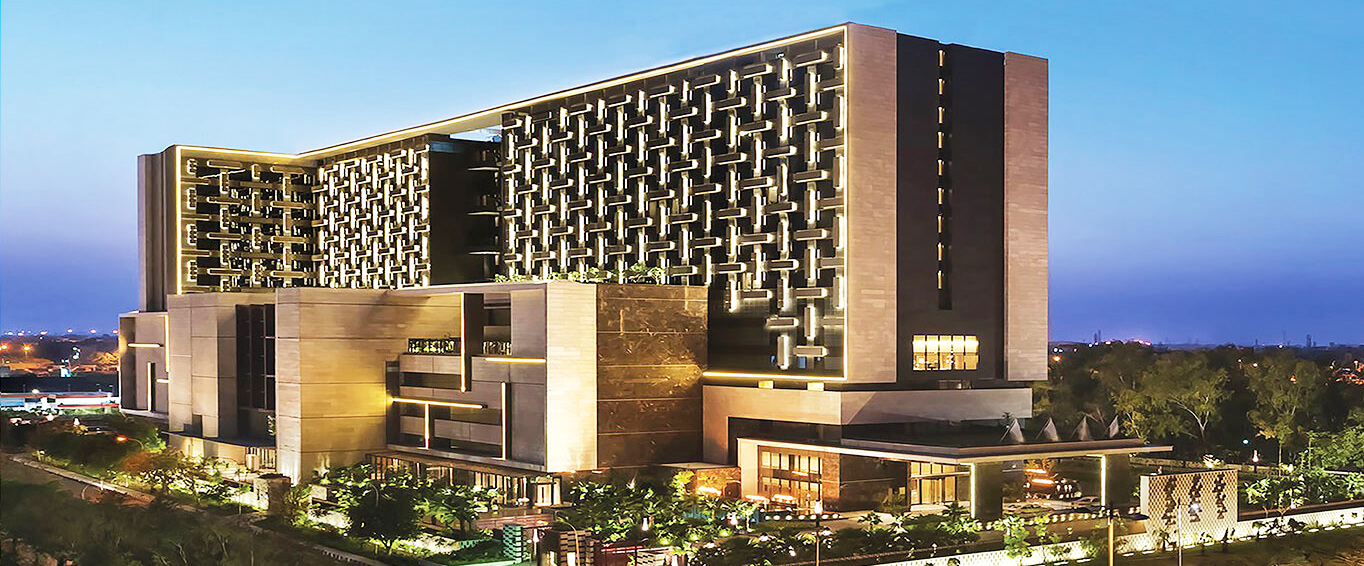
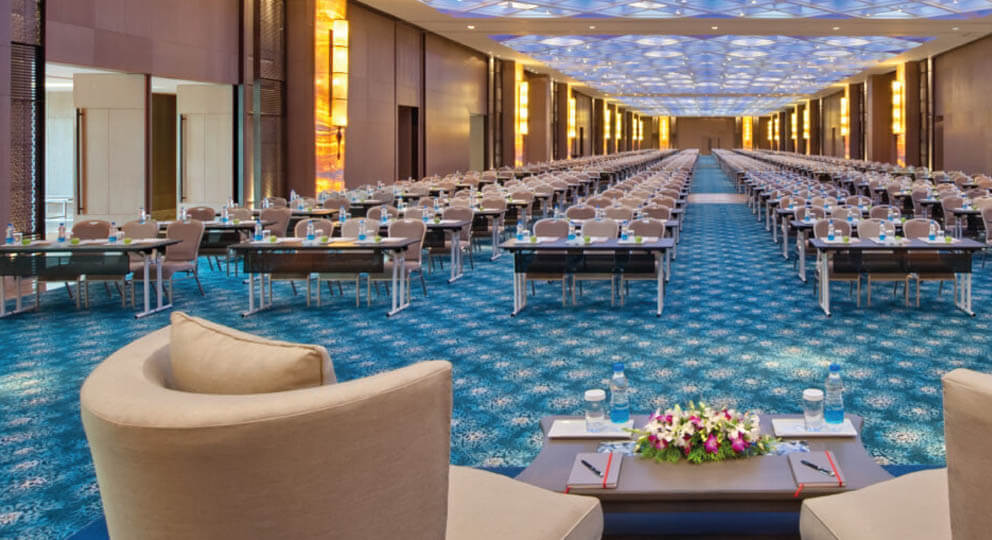
1, CBD, Maharaj Surajmal Road, Near Yamuna Sports Complex, Delhi, 110032



GENERAL QUERIES
Manish Tewatia
manish@csharpcon.com
+91-9718-431-042
TICKET QUERIES
Atul Gupta
conference@csharpcon.com
+91-9910-125-804