
Presents

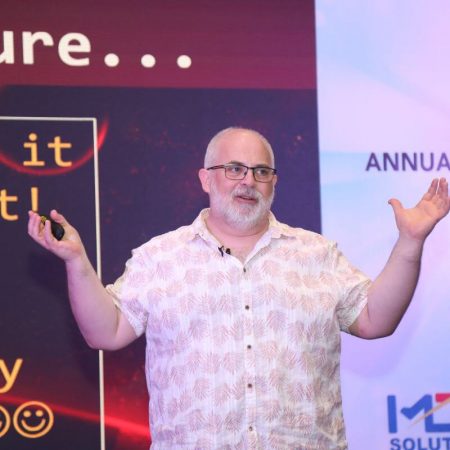
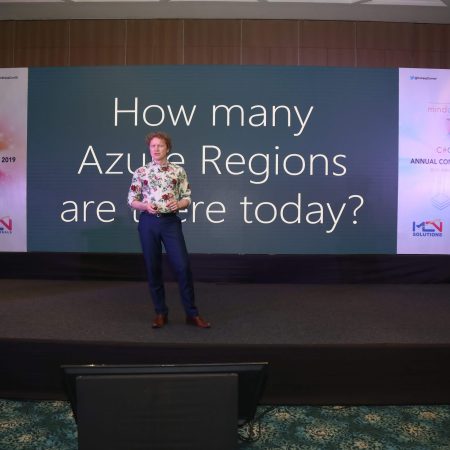
Magnus Mårtensson
Microsoft Regional Director, Azure MVP, CEO Loftysoft
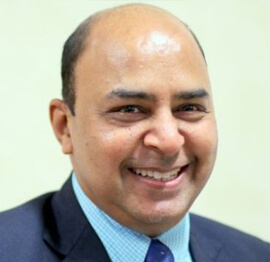
Avirag Jain
Director & CTO R Systems
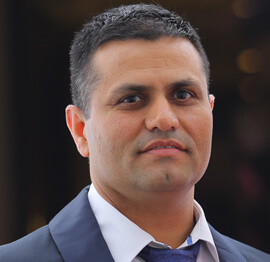
Mahesh Chand
Founder C# Corner, CEO Mindcracker

Chris Gali
CEO & Co-Founder Graphite

Subinder Khurana
Chief Architect StoryProcess, Founder NASSCOM DeepTech Club

Bryan Rishforth
Investor, Chairman Graphite

Bryn Everson
Director Biz Dev Graphite
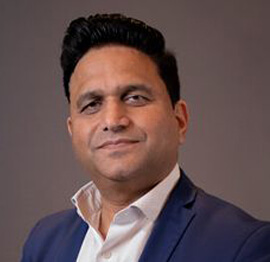
Raj Tiwari
Digital Transformation Leader, Futurist and Visionary
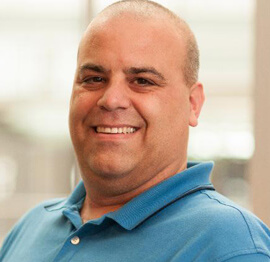
Joseph Guadagno
Microsoft MVP, Lead Quicken Loans

Nikita Sachdev
Entrepreneur, Blockchain Enthusiast & Advisor, Social Media Influencer

Doug Wagner
COO & Founder Adapt Technical Group

Ritesh Modi
Architect, Senior Evangelist, Cloud Architect

Crystal Wenrick
Director Communications Mindcracker

Allen O’Neill
Microsoft MVP, Consulting Engineer/Architect
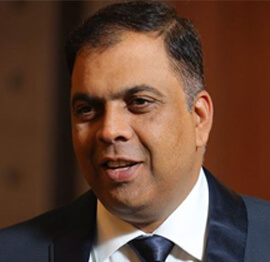
Praveen Kumar
CEO MCN Solutions

Chris Love
Founder Love2Dev, Microsoft MVP, Author

Sanjay Vyas
Microsoft Regional Director, Microsoft MVP, Founder & CEO SkillLabs Technologies

Veena Sarda
Deep Learning Consultant, Author

Sekhar Srinivasan
C# Corner MVP, Microsoft Certified Trainer, Pluralsight Author
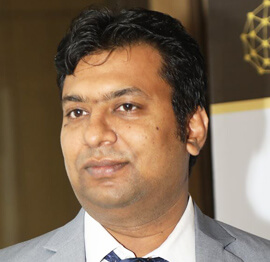
Lalit Bansal
Founder & CEO - EIY SYS
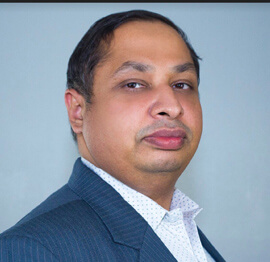
Navdeep Garg
CEO Revinfotech
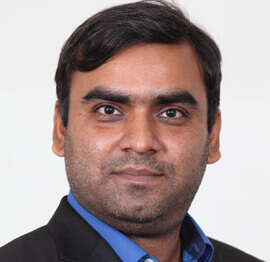
Prakash Tripathi
Tech Manager/Leader, Microsoft MVP, Blogger
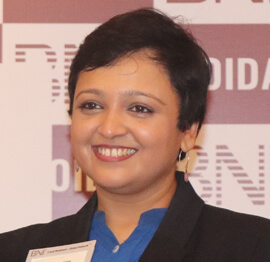
Bhavna Jain
Breakthrough Consultant

Naveen Sharma
Enterprise Architect, Leadership Coach, Author
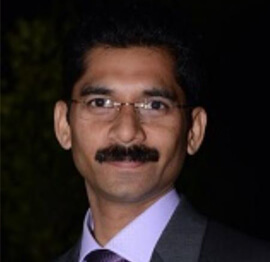
Vidya Vrat Agarwal
Principal Architect, Microsoft MVP, Author

Sheetal Agarwal
Founder Clownselors, Medical Clown, Trainer

Abhishek Kant
Founder GTM Catalyst

Vishnu Saran
Founder & CEO VoiceQube

Sandeep Soni
Founder & CEO Deccansoft, Microsoft Certified Trainer
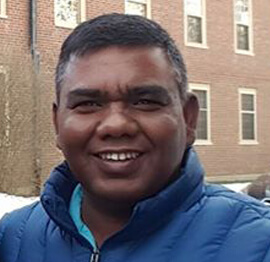
Parveen Malik
AVP InfoSec & Vulnerability Management, Information Security Expert

Nitin Pandit
Microsoft MVP, Developer Evangelist, Author
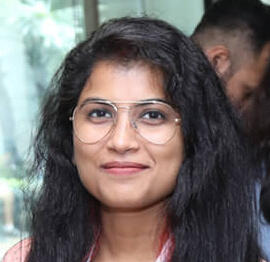
Niloshima Srivastava
C# Corner MVP, Tech Architect, Trainer, Blogger
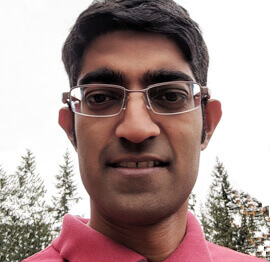
Bala Chirtsabesan
Senior Software Engineer at Microsoft, Author
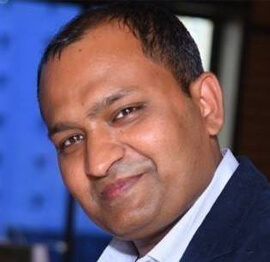
Manoj Mittal
Sr. Technical Architect, C# Corner MVP, Author

Chandni Di
Co-Founder Voice of Slum
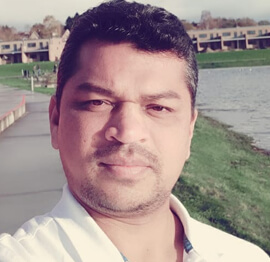
Vithal Wadje
Technical Lead, Microsoft MVP, Author

Shivam Ahuja
Founder SkillCircle, Business Mentor

Chervine Bhiwoo
Solution Architect, Microsoft MVP, Author

Saurabh Jain
Vice President Paytm, Founder Fun2Do Labs, Author

Vinay Solanki
Head IoT at Lenovo, Founder IoT-NCR
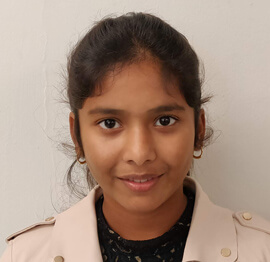
Anshu kumari
Founder Blockchainkids, Inventor, Trainer
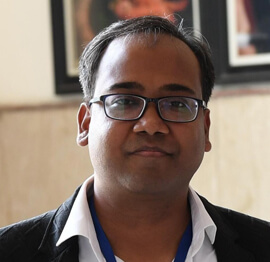
Amit Singal
CEO Startup Buddy
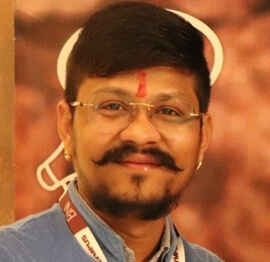
Dev Pratap
Co-Founder & CEO Voice of Slum

Amey Vartak
Technology Consultant, Full Stack Developer, C# Corner MVP, Author

Viswanatha Swamy
Principal Software Engineer, C# Corner MVP, Author

Sanket Verma
Research Engineer @ Ballistics (Forensics) and Chair, PyData Delhi

Sourabh Somani
Lead Developer, Microsoft MVP, Author
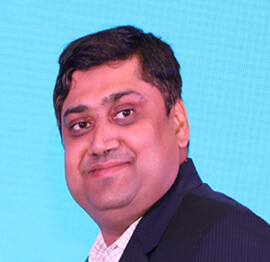
Abhishek Mishra
Software Architect, C# Corner MVP, Author

Siddharth Vaghasia
Technical Consultant, C# Corner MVP, Blogger
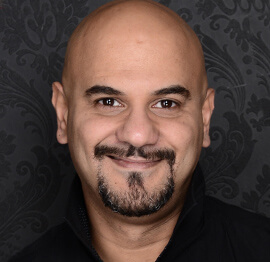
Bassam Alugili
Senior Software Specialist, Database Expert

S Ravi Kumar
Solution Architect, C# Corner MVP, Author

Sundaram Subramanian
Full Stack Developer, C# Corner MVP, Speaker
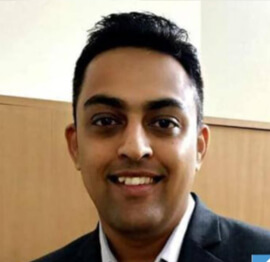
Deepesh Somani
Solution Architect, Microsoft MVP, Author
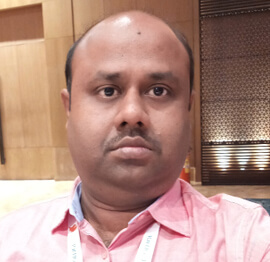
Debasis Saha
Technical Project Manager, C# Corner MVP, Blogger, Author

Vipul Jain
Software Architect, C# Corner MVP, Author

Akshay Patel
Technical Architect, Microsoft Certified Trainer, C# Corner MVP, Author

Stephen Simon
RPA Developer, Evangelist, Author
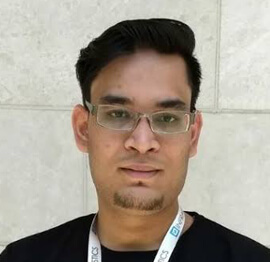
Vivek Sharma
Founder Kingster636, AR/VR Specialist
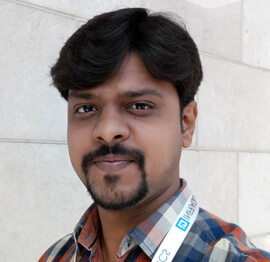
Jeetendra Gund
Technical Lead, C# Corner MVP, Author
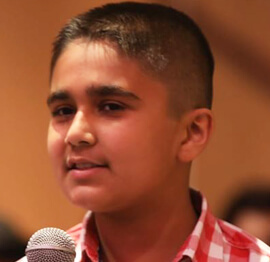
Sujal Beniwal
AI Enthusiast, Student

M Viknaraj
Microsoft MVP, Azure Architect, Author

Prasham Sabadra
Software Architect, C# Corner MVP, Trainer, Author
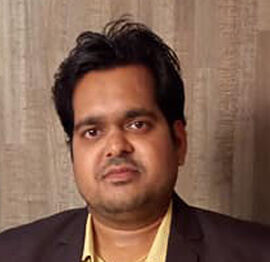
Aakash Maurya
Senior Developer, C# Corner MVP, Speaker

Ankit Sharma
Senior Software Engineer, C# Corner MVP, Author

Mangesh Gaherwar
Team Lead, C# Corner MVP, Author

Viral Jain
Technical Consultant, C# Corner MVP, Author
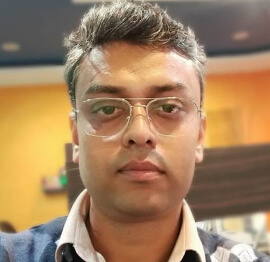
Bhasker Das
Solution Architect, Evangelist

Manish Dwivedi
Associate Project Manager

Ck Nitin
Programmer, Author

Rohit Gupta
Technical Trainer, Author

Manish Tewatia
Full-stack Marketer, UX Designer

Bhavya Gaur
Technical Illustrator

Rohit Tomar
SEO/SMO Expert
Web Track
Cloud & Data Track
Dev Track
Registration & Breakfast
Future of Desktop Apps with JS (ElectronJs)
Nitin Pandit
Building Serverless Microservices Using Microsoft Azure
Vithal Wadje
Innovating RPA: A Robot for Every Person
Stephen Simon
Managing Cloud Storage Accounts using Logic Apps
Viknaraj Manogararajah
Data visualization using Python
Sekhar Srinivasan
Going Cross platform with AR Foundation
Vivek Sharma
Keynote
Managing your Azure dependencies in ASP.NET Core apps using VS
Bala Chirtsabesan
Securing Applications on Intelligent Azure
Abhishek Mishra
Getting started with Blazor the Framework of Future
S Ravi Kumar
Lunch
Build Progressive Web Apps using Angular 9
Debasis Saha
Build and deploy to any platform using Azure DevOps
Chervine Bhiwoo
Deep Dive in Azure Service Bus
Akshay Patel
Build a Native Mobile Application using React Native and JavaScript
Joseph Guadagno
Making sense of Web Job, Web Job SDK and Functions in Azure
Prakash Tripathi
CloudFront Distribution in AWS
Viral Jain
Tea Break
Introduction to PowerBI
Aakash Maurya
Build Advanced SPFx solutions with React and Graph API
Siddharth Vaghasia
Build Business Intelligence Analyst (BIA) Skills
Sundaram Subramanian
Deep dive of Power Platform – AI BUILDER
Prasham Sabadra
Panel 1
What's new in SharePoint development
Vipul Jain
Build a SSO (Single Sign On) based Native JavaScript application with Microsoft Identity within 10 minutes
Manoj Mittal
Panel 2
Applications and working of AI
Veena Sarda
Deploying serverless API's with .Net core 3.0 on AWS & Azure
Amey Vartak
Panel 3
Blockchain with .NET Core (Ark)
Anshu Kumari
Closing Note & Prize Distribution
Dev Track
Cloud Track
Architecture Track
Emerging Tech Track
Registration & Breakfast
Creating Full-Stack Web Apps Using Server-Side Blazor
Ankit Sharma
Real time face recognition with MS Cognitive Services
Niloshima Srivastava
Building Scalable APIs with GraphQL
Jeetendra Gund
Future of development with AI and Blockchain
Navdeep Garg
Debugging Tips and Tricks with Visual Studio 2019
Joseph Guadagno
Azure Containers
Abhishek Kant
Enterprise Architecture
Naveen Sharma
Bot Framework - learn it fast and look like a boss!
Allen O’Neill
Keynote
.Net Core & C# 8 Performance
David McCarter
Working with Azure kubernetes services
Ritesh Modi
Becoming an Architect
Vidyavrat Agarwal
Why Techies Need to Learn Product Management
Saurabh Jain
Lunch
Build a rules engine in .Net Core
Sanjay Vyas
Building CI and CD Pipeline using Azure DevOps
Sandeep Soni
Entity Framework Core - Tips and Tricks, Performance Optimization, and Tuning
Bassam Alugili
Hacking your way into Data Science
Sanket Verma
Speed up your .Net Core Website
Sourabh Somani
Azure
Magnus Mårtensson
Demystifying Open Distro for Elasticsearch
Suman Debnath
Future of Data
Shivam Ahuja
Tea Break
gRPC with C# and .Net Core
Mangesh Gaherwar
Panel 1
Essentials of Cloud security
Parveen Malik
Power platform and Dynamics 365
Deepesh Somani
Microservices - the gRPC Way
Viswanatha Swamy
Panel 2
Reserved
Reserved
Closing Note & Prize Distribution
Building gRPC client and server streaming with .NET 6
gRPC has matured into the go-to framework for low-latency service-to-service communication, and .NET 6 finally delivers a polished, performant streaming story across Windows, Linux, and macOS. Whether you are wiring a Sydney fintech to a live market data feed or pushing equipment telemetry from a Pilbara mining operation to a cloud control plane in Melbourne, the streaming primitives map cleanly onto real workloads running across Australian time zones. Engineers attending sessions at the C# Corner conference regularly cite streaming RPC as one of the practical skills they want to take back to their teams.
The combination of HTTP/2 framing, strongly typed contracts, and native async streams removes most of the boilerplate that used to plague WCF or raw socket code. Over the next several sections you will see how to define a proto file, generate server and client code, and build all three streaming patterns from scratch using nothing but the .NET 6 SDK and a handful of NuGet packages.
gRPC streaming patterns at a glance
Before writing any code, it helps to understand the four interaction shapes gRPC supports, because the choice of pattern shapes everything from threading to error handling.
| Pattern | Direction | Typical use case | .NET 6 method signature |
|---|---|---|---|
| Unary | One request, one response | Health checks, lookups | Task<TResponse> |
| Server streaming | One request, many responses | Price ticks, log tailing | Task<AsyncServerStreamingCall<T>> on client, IAsyncEnumerable<T> on server |
| Client streaming | Many requests, one response | Batch uploads, aggregations | Task<AsyncClientStreamingCall<TRequest, TResponse>> on client, IAsyncEnumerable<T> on server |
| Bidirectional | Continuous two-way | Chat, collaborative editing | AsyncDuplexStreamingCall<TRequest, TResponse> on both sides |
Server streaming is the most common starting point because the server typically owns the data source. A Brisbane-based weather service pushing minute-by-minute radar frames to mobile clients is a textbook case: the client asks once, then receives an open-ended stream. Client streaming is rarer but valuable for telemetry ingestion, where hundreds of edge devices funnel readings into a central aggregator. Bidirectional streaming is the most powerful but also the trickiest to test, since both parties must agree on message boundaries and back-pressure semantics.
Defining the contract in a proto file
The proto file is the single source of truth for your service. With the .NET 6 SDK you no longer need to run protoc manually, because the Grpc.Tools package regenerates stubs on every build, which removes a whole class of "works on my machine" drift that has historically plagued polyglot teams.
Create a Protos/telemetry.proto file and use the stream keyword on the request or response fields to mark a streaming method:
syntax = "proto3";

option csharp_namespace = "Contoso.Telemetry";

service TelemetryService {
  rpc Subscribe(SubscribeRequest) returns (stream TelemetryEvent);
  rpc Publish(stream TelemetryEvent) returns (PublishSummary);
  rpc Chat(stream ChatMessage) returns (stream ChatMessage);
}

message SubscribeRequest {
  string asset_id = 1;
}

message TelemetryEvent {
  string asset_id = 1;
  double temperature = 2;
  int64 timestamp = 3;
}
In the .csproj file, set <Protobuf Include="Protos/telemetry.proto" GrpcServices="Both" /> so that both server and client base classes are generated. Developers in the Adelaide .NET user group have found this dual generation particularly handy when iterating on contracts across distributed teams, because a single dotnet build keeps both sides in lockstep without extra CI steps.
Building the server with IAsyncEnumerable
The server side of .NET 6 streaming reads naturally as an IAsyncEnumerable<T> method. There is no Task to await on each send, no manual WriteAsync loops, and no concerns about cancellation tokens leaking across handler boundaries.
public class TelemetryServiceImpl : TelemetryServiceBase
{
    private readonly ITelemetrySource _source;
    private readonly ILogger<TelemetryServiceImpl> _log;

    public TelemetryServiceImpl(ITelemetrySource source,
                                ILogger<TelemetryServiceImpl> log)
    {
        _source = source;
        _log = log;
    }

    public override async Task Subscribe(
        SubscribeRequest request,
        IServerStreamWriter<TelemetryEvent> responseStream,
        ServerCallContext context)
    {
        _log.LogInformation("Client subscribed to {Asset}", request.AssetId);

        await foreach (var evt in _source.StreamAsync(request.AssetId,
                                                     context.CancellationToken))
        {
            await responseStream.WriteAsync(evt);
        }
    }
}
Register the service with builder.Services.AddGrpc() and map it with app.MapGrpcService<TelemetryServiceImpl>(). The cancellation token attached to ServerCallContext fires when the client disconnects, which is critical on the flaky satellite links common to remote Australian mine sites where a dropped TCP connection would otherwise leave a dangling task spinning forever and slowly exhaust the worker pool.
Writing the client and going bidirectional
The client side mirrors the server almost symmetrically, which is one of gRPC's underrated strengths. You call a method, get back a response stream, and iterate it like any other async sequence.
using var channel = GrpcChannel.ForAddress("https://api.contoso.com");
var client = new TelemetryService.TelemetryServiceClient(channel);

using var call = client.Subscribe(new SubscribeRequest { AssetId = "pump-42" });
await foreach (var evt in call.ResponseStream.ReadAllAsync())
{
    Console.WriteLine($"{evt.Timestamp}: {evt.Temperature}");
}
For bidirectional streaming the pattern inverts slightly: you own the request stream and read from the response stream concurrently. A common idiom is to spawn a producer task that writes requests into RequestStream while the main async loop reads from ResponseStream. Wrapping the producer in Channel<T> gives you back-pressure for free and avoids the memory bloat that hits hard during AEST market open when the Sydney Stock Exchange floods subscribers with order-book deltas.
Always dispose the call deterministically; the using block ensures the underlying HTTP/2 stream is closed cleanly, freeing the connection slot for the next caller. Pooling GrpcChannel instances across the process is also recommended, because channel creation is comparatively expensive and most production servers handle hundreds of concurrent streams on the same multiplexed connection. For very high-throughput gateways a GrpcChannelPool registered as a singleton keeps connection churn off the hot path.
Observability, deadlines, and production hardening
Streaming RPCs live or die on operational discipline. A unary call that hangs for sixty seconds is annoying; a streaming call that hangs forever is a resource leak waiting to happen across the entire fleet.
Set deadlines aggressively. A five-second deadline on Subscribe tells the client to give up rather than hold a thread indefinitely, which matters when your service is fronted by a load balancer in ap-southeast-2 and you cannot afford to starve the worker pool during a traffic spike. Combine deadlines with retry policies from Grpc.Net.Client and the Polly integration, but only retry idempotent unary calls; never blindly retry a streaming call that may have already processed half of the messages on the server.
Wire up OpenTelemetry early. The Grpc.Net.Client and Grpc.AspNetCore.Server packages emit spans and metrics out of the box, so a quick services.AddOpenTelemetry().WithTracing(t => t.AddGrpcClientInstrumentation().AddGrpcServerInstrumentation()) is enough to get distributed traces flowing into your observability stack. Local teams running Grafana and Loki on Kubernetes in Brisbane have reported that adding gRPC instrumentation cut their mean-time-to-diagnose for stuck streams from hours to minutes, especially when chasing cross-region latency between ap-southeast-2 and ap-southeast-4.
Finally, test with grpcurl and the in-memory test server from Grpc.Net.Client. Integration tests that spin up a TestServer with WebApplicationFactory let you assert that your enumerables complete correctly under cancellation, which is the single most common bug surface in streaming code. Once you are confident in the behaviour, the same code path deploys unchanged to an AKS cluster, an on-premises Windows Server, or a Raspberry Pi gateway in the field collecting readings from solar farms north of Cairns.








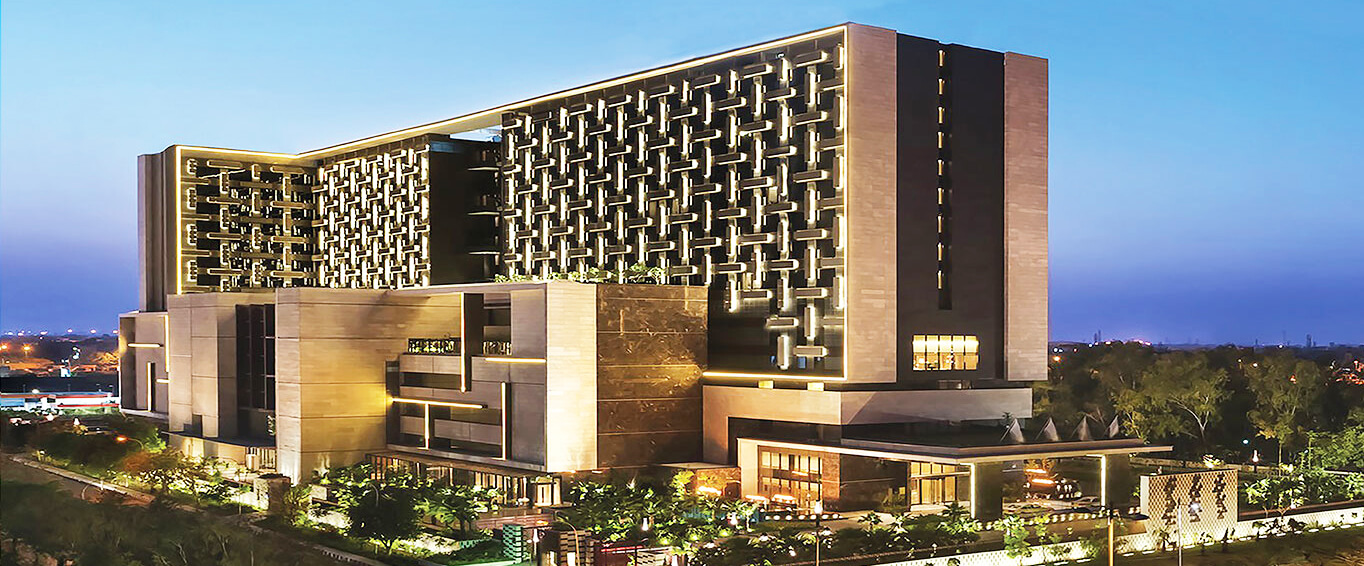
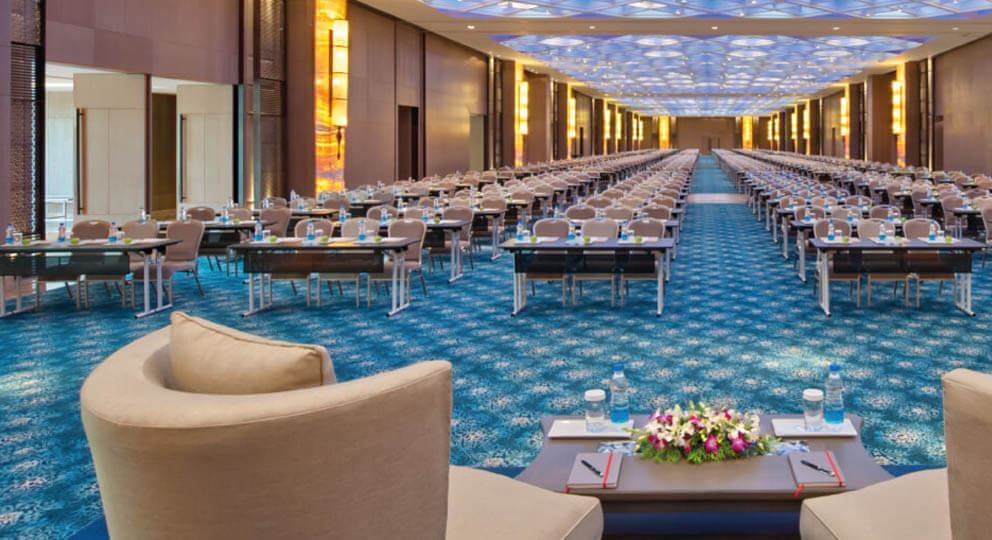
1, CBD, Maharaj Surajmal Road, Near Yamuna Sports Complex, Delhi, 110032

GENERAL QUERIES
Manish Tewatia
manish@csharpcon.com
+91-9718-431-042
TICKET QUERIES
Atul Gupta
conference@csharpcon.com
+91-9910-125-804