

Presents


Magnus Mårtensson
Microsoft Regional Director, Azure MVP, CEO Loftysoft

Avirag Jain
Director & CTO R Systems

Mahesh Chand
Founder C# Corner, CEO Mindcracker

Chris Gali
CEO & Co-Founder Graphite

Subinder Khurana
Chief Architect StoryProcess, Founder NASSCOM DeepTech Club

Bryan Rishforth
Investor, Chairman Graphite

Bryn Everson
Director Biz Dev Graphite

Raj Tiwari
Digital Transformation Leader, Futurist and Visionary

Joseph Guadagno
Microsoft MVP, Lead Quicken Loans

Nikita Sachdev
Entrepreneur, Blockchain Enthusiast & Advisor, Social Media Influencer

Doug Wagner
COO & Founder Adapt Technical Group

Ritesh Modi
Architect, Senior Evangelist, Cloud Architect

Crystal Wenrick
Director Communications Mindcracker

Allen O’Neill
Microsoft MVP, Consulting Engineer/Architect

Praveen Kumar
CEO MCN Solutions

Chris Love
Founder Love2Dev, Microsoft MVP, Author

Sanjay Vyas
Microsoft Regional Director, Microsoft MVP, Founder & CEO SkillLabs Technologies

Veena Sarda
Deep Learning Consultant, Author

Sekhar Srinivasan
C# Corner MVP, Microsoft Certified Trainer, Pluralsight Author

Lalit Bansal
Founder & CEO - EIY SYS

Navdeep Garg
CEO Revinfotech

Prakash Tripathi
Tech Manager/Leader, Microsoft MVP, Blogger

Bhavna Jain
Breakthrough Consultant

Naveen Sharma
Enterprise Architect, Leadership Coach, Author

Vidya Vrat Agarwal
Principal Architect, Microsoft MVP, Author

Sheetal Agarwal
Founder Clownselors, Medical Clown, Trainer

Abhishek Kant
Founder GTM Catalyst

Vishnu Saran
Founder & CEO VoiceQube

Sandeep Soni
Founder & CEO Deccansoft, Microsoft Certified Trainer

Parveen Malik
AVP InfoSec & Vulnerability Management, Information Security Expert

Nitin Pandit
Microsoft MVP, Developer Evangelist, Author

Niloshima Srivastava
C# Corner MVP, Tech Architect, Trainer, Blogger

Bala Chirtsabesan
Senior Software Engineer at Microsoft, Author

Manoj Mittal
Sr. Technical Architect, C# Corner MVP, Author

Chandni Di
Co-Founder Voice of Slum

Vithal Wadje
Technical Lead, Microsoft MVP, Author

Shivam Ahuja
Founder SkillCircle, Business Mentor

Chervine Bhiwoo
Solution Architect, Microsoft MVP, Author

Saurabh Jain
Vice President Paytm, Founder Fun2Do Labs, Author

Vinay Solanki
Head IoT at Lenovo, Founder IoT-NCR

Anshu kumari
Founder Blockchainkids, Inventor, Trainer

Amit Singal
CEO Startup Buddy

Dev Pratap
Co-Founder & CEO Voice of Slum

Amey Vartak
Technology Consultant, Full Stack Developer, C# Corner MVP, Author

Viswanatha Swamy
Principal Software Engineer, C# Corner MVP, Author

Sanket Verma
Research Engineer @ Ballistics (Forensics) and Chair, PyData Delhi

Sourabh Somani
Lead Developer, Microsoft MVP, Author

Abhishek Mishra
Software Architect, C# Corner MVP, Author

Siddharth Vaghasia
Technical Consultant, C# Corner MVP, Blogger

Bassam Alugili
Senior Software Specialist, Database Expert

S Ravi Kumar
Solution Architect, C# Corner MVP, Author

Sundaram Subramanian
Full Stack Developer, C# Corner MVP, Speaker

Deepesh Somani
Solution Architect, Microsoft MVP, Author

Debasis Saha
Technical Project Manager, C# Corner MVP, Blogger, Author

Vipul Jain
Software Architect, C# Corner MVP, Author

Akshay Patel
Technical Architect, Microsoft Certified Trainer, C# Corner MVP, Author

Stephen Simon
RPA Developer, Evangelist, Author

Vivek Sharma
Founder Kingster636, AR/VR Specialist

Jeetendra Gund
Technical Lead, C# Corner MVP, Author

Sujal Beniwal
AI Enthusiast, Student

M Viknaraj
Microsoft MVP, Azure Architect, Author

Prasham Sabadra
Software Architect, C# Corner MVP, Trainer, Author

Aakash Maurya
Senior Developer, C# Corner MVP, Speaker

Ankit Sharma
Senior Software Engineer, C# Corner MVP, Author

Mangesh Gaherwar
Team Lead, C# Corner MVP, Author

Viral Jain
Technical Consultant, C# Corner MVP, Author

Bhasker Das
Solution Architect, Evangelist

Manish Dwivedi
Associate Project Manager

Ck Nitin
Programmer, Author

Rohit Gupta
Technical Trainer, Author

Manish Tewatia
Full-stack Marketer, UX Designer

Bhavya Gaur
Technical Illustrator

Rohit Tomar
SEO/SMO Expert
Web Track
Cloud & Data Track
Dev Track
Registration & Breakfast
Future of Desktop Apps with JS (ElectronJs)
Nitin Pandit
Building Serverless Microservices Using Microsoft Azure
Vithal Wadje
Innovating RPA: A Robot for Every Person
Stephen Simon
Managing Cloud Storage Accounts using Logic Apps
Viknaraj Manogararajah
Data visualization using Python
Sekhar Srinivasan
Going Cross platform with AR Foundation
Vivek Sharma
Keynote
Managing your Azure dependencies in ASP.NET Core apps using VS
Bala Chirtsabesan
Securing Applications on Intelligent Azure
Abhishek Mishra
Getting started with Blazor the Framework of Future
S Ravi Kumar
Lunch
Build Progressive Web Apps using Angular 9
Debasis Saha
Build and deploy to any platform using Azure DevOps
Chervine Bhiwoo
Deep Dive in Azure Service Bus
Akshay Patel
Build a Native Mobile Application using React Native and JavaScript
Joseph Guadagno
Making sense of Web Job, Web Job SDK and Functions in Azure
Prakash Tripathi
CloudFront Distribution in AWS
Viral Jain
Tea Break
Introduction to PowerBI
Aakash Maurya
Build Advanced SPFx solutions with React and Graph API
Siddharth Vaghasia
Build Business Intelligence Analyst (BIA) Skills
Sundaram Subramanian
Deep dive of Power Platform – AI BUILDER
Prasham Sabadra
Panel 1
What's new in SharePoint development
Vipul Jain
Build a SSO (Single Sign On) based Native JavaScript application with Microsoft Identity within 10 minutes
Manoj Mittal
Panel 2
Applications and working of AI
Veena Sarda
Deploying serverless API's with .Net core 3.0 on AWS & Azure
Amey Vartak
Panel 3
Blockchain with .NET Core (Ark)
Anshu Kumari
Closing Note & Prize Distribution
Dev Track
Cloud Track
Architecture Track
Emerging Tech Track
Registration & Breakfast
Creating Full-Stack Web Apps Using Server-Side Blazor
Ankit Sharma
Real time face recognition with MS Cognitive Services
Niloshima Srivastava
Building Scalable APIs with GraphQL
Jeetendra Gund
Future of development with AI and Blockchain
Navdeep Garg
Debugging Tips and Tricks with Visual Studio 2019
Joseph Guadagno
Azure Containers
Abhishek Kant
Enterprise Architecture
Naveen Sharma
Bot Framework - learn it fast and look like a boss!
Allen O’Neill
Keynote
.Net Core & C# 8 Performance
David McCarter
Working with Azure kubernetes services
Ritesh Modi
Becoming an Architect
Vidyavrat Agarwal
Why Techies Need to Learn Product Management
Saurabh Jain
Lunch
Build a rules engine in .Net Core
Sanjay Vyas
Building CI and CD Pipeline using Azure DevOps
Sandeep Soni
Entity Framework Core - Tips and Tricks, Performance Optimization, and Tuning
Bassam Alugili
Hacking your way into Data Science
Sanket Verma
Speed up your .Net Core Website
Sourabh Somani
Azure
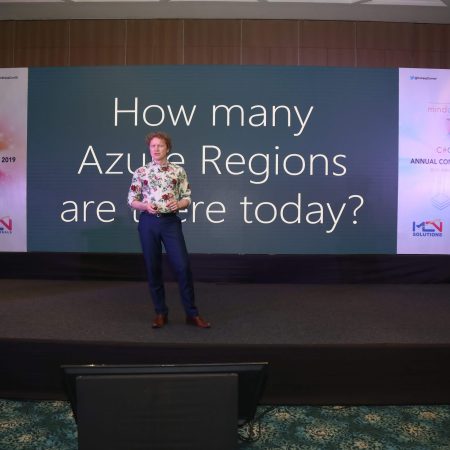
Magnus Mårtensson
Demystifying Open Distro for Elasticsearch
Suman Debnath
Future of Data
Shivam Ahuja
Tea Break
gRPC with C# and .Net Core
Mangesh Gaherwar
Panel 1
Essentials of Cloud security
Parveen Malik
Power platform and Dynamics 365
Deepesh Somani
Microservices - the gRPC Way
Viswanatha Swamy
Panel 2
Reserved
Reserved
Closing Note & Prize Distribution
Practical rate limiting patterns for ASP.NET Core APIs
Public-facing APIs hosted in Australian data centres often experience sharp traffic spikes between 9am and 11am AEST, when Sydney and Melbourne offices start their day and queued batch jobs finally fire off accumulated requests. A well-tuned rate limiter keeps these bursts from overwhelming downstream services, throttles abusive clients, and gives backend teams predictable load. For organisations bound by the Privacy Act 1988, predictable throughput also reduces the chance of cascading failures that could trigger a notifiable data breach.
Rate limiting sits at the edge of an ASP.NET Core pipeline, where each incoming request is evaluated against a policy before any expensive work begins. Since .NET 7, the framework ships with a Microsoft.AspNetCore.RateLimiting middleware that supports several algorithms out of the box. This removes the historical need to pull in third-party libraries such as AspNetCoreRateLimit and keeps configuration declarative.
Australian developers working on fintech APIs in Brisbane or government portals in Canberra frequently need to combine rate limits with strong authentication and audit logging. The Australian Cyber Security Centre's Essential Eight guidance recommends rate limiting as a mitigation against brute-force and denial-of-service attempts, which makes the feature a practical checkbox for security accreditation. When the limiter rejects a request, the platform also needs a graceful response path that integrates cleanly with OpenTelemetry traces and existing Application Insights dashboards.
This article walks through choosing an algorithm, wiring the middleware into a typical Program.cs, partitioning limits per tenant, returning standards-compliant 429 responses, and finally observing the limiter in production. Code samples target .NET 8 and assume a hosted service running on Linux behind a reverse proxy, which is the common pattern for workloads deployed in Sydney or Perth regions of Azure.
Understanding rate limiting algorithms
The RateLimiter abstraction in ASP.NET Core supports four algorithms, each with different trade-offs around memory usage, fairness, and burst handling. Picking the right one is the foundation of a robust policy, because misconfigured limits either block legitimate traffic or fail to protect the backend during incidents.
A fixed window counter allows N requests per window of T seconds, resetting at the boundary. It is the cheapest to implement but suffers from boundary effects: a client can send N requests at second 59 and another N at second 60, effectively doubling the limit across two seconds. For low-stakes public endpoints in regional SaaS products, the simplicity often wins.
A sliding window refines the fixed approach by tracking the previous window's count and weighting it against the current window. Memory grows with the window size, but the boundary spike disappears. Token bucket replenishes tokens at a steady rate and allows controlled bursts up to the bucket capacity, which fits well for APIs serving a mix of human users and scheduled bots. Concurrency limiting caps the number of in-flight requests rather than the request rate, ideal for protecting a slow downstream like a SQL Server pool or an Azure SQL elastic database in Australia East.
| Algorithm | Memory per key | Burst behaviour | Best fit |
|---|---|---|---|
| Fixed window | Constant | High at boundary | Public read endpoints |
| Sliding window | Linear in window | Smooth | Mixed traffic APIs |
| Token bucket | Constant | Configurable burst | APIs with batch jobs |
| Concurrency | Constant | None | Slow DB or external calls |
For most Australian SaaS products, a combination works best: a token bucket on authentication endpoints to absorb login storms, and a sliding window on per-user API keys to enforce monthly quotas.
Configuring the built-in middleware in Program.cs
The middleware lives in the Microsoft.AspNetCore.RateLimiting namespace and is registered through builder.Services.AddRateLimiter(...). A typical setup uses the named policy pattern, which lets different controllers or minimal API groups opt into different limits using [EnableRateLimiting("policyName")] or RequireRateLimiting.
builder.Services.AddRateLimiter(options =>
{
    options.RejectionStatusCode = StatusCodes.Status429TooManyRequests;
    options.OnRejected = async (context, token) =>
    {
        context.HttpContext.Response.Headers.RetryAfter =
            ((int)context.Lease.TryGetMetadata(MetadataName.RetryAfter)
                 ?.TotalSeconds ?? 1).ToString();
        await context.HttpContext.Response.WriteAsJsonAsync(new
        {
            error = "rate_limited",
            message = "Too many requests, slow down."
        }, token);
    };

    options.AddPolicy("per-user", httpContext =>
    {
        var userId = httpContext.User.Identity?.Name ?? "anonymous";
        return RateLimitPartition.GetTokenBucketLimiter(userId, _ => new TokenBucketRateLimiterOptions
        {
            TokenLimit = 60,
            ReplenishmentPeriod = TimeSpan.FromMinutes(1),
            TokensPerPeriod = 30,
            QueueLimit = 0,
            AutoReplenishment = true
        });
    });
});
The call to app.UseRateLimiter() must come after UseAuthentication and UseAuthorization so the partition key can read the authenticated user. Placing it before authentication would force the limiter to key on IP address alone, which is awkward for users behind carrier-grade NAT on the NBN in regional areas such as Tamworth or Cairns. The policy is then applied per endpoint with .RequireRateLimiting("per-user") inside a MapGet or MapPost chain.
Partitioning limits per client and endpoint
Partitioning is what turns a single global cap into a fair per-tenant or per-IP policy. The RateLimitPartition factory exposes keyed limiters, and the key is computed from the incoming HttpContext. Common keys include the authenticated subject, an API key header, an Azure AD app registration, or the remote IP address with httpContext.Connection.RemoteIpAddress.
For B2B APIs sold to Australian retailers, partitioning by API key is the standard contract. A starter plan might get 60 requests per minute while an enterprise SKU gets 600. The same pattern works for the federal government's data.gov.au style portals, where each agency receives its own quota. When the limiter is keyed on IP, developers in shared office spaces such as Sydney's WeWork buildings need to be careful: a noisy neighbour can exhaust the IP's quota and starve the rest of the floor.
Endpoint-specific limits are useful for expensive operations. A POST /reports endpoint that runs an Azure Synapse query in Australia Southeast might warrant a tighter concurrency limit than a GET /health probe. Combining endpoint and client partitions is straightforward by composing policies or applying the [EnableRateLimiting] attribute at the action level, while a global policy covers the rest of the surface.
Responding with 429 and Retry-After headers
A rejected request should never look like a server crash. The HTTP standard reserves 429 Too Many Requests for this scenario and recommends a Retry-After header in seconds or as an HTTP-date. Clients built on HttpClient in .NET 8 respect this header automatically when used with Polly's retry strategy, which simplifies resilience on both ends.
Beyond the header, returning a structured JSON body with an error code and a human-readable message helps integrators diagnose the problem. Logging the rejection at warning level with the partition key, the rejected policy name, and the lease metadata produces a trail that supports the Office of the Australian Information Commissioner's expectations around reasonable technical safeguards. Some teams in Melbourne and Adelaide go further and emit a custom metric for rate_limit_rejections_total keyed by tenant, which feeds straight into an Azure Monitor alert when the rate climbs during an incident.
For partner integrations written in older .NET Framework, a plain text body remains a safer fallback. The OnRejected callback shown earlier lets the response be tailored per policy, so anonymous traffic can receive a minimal response while authenticated clients get richer details.
Observability and tuning in production
Limits that work on a developer's laptop rarely survive contact with real traffic. Once the middleware is live, three signals guide tuning: the 429 rejection rate per partition, the queue length of the token bucket, and p95 latency of the protected endpoint. Each is exposed through RateLimiter statistics and can be wired into OpenTelemetry using a custom Meter.
Application Insights in the Australia East region captures these metrics alongside dependency calls, which makes it easy to correlate a spike in rejections with a slow Cosmos DB query. When tuning, raising the TokenLimit is rarely the right first move; instead, look at whether the partition key is too coarse. If every authenticated user shares a single bucket because the NameIdentifier claim is missing, the policy degrades to a global cap and legitimate users get blocked. Adding structured logging for httpContext.User.Identity.IsAuthenticated at the partition factory surfaces this during a post-incident review.
Finally, write a load test in k6 or NBomber that targets the Australian endpoints from a region close to Australia Central to verify behaviour under realistic latency. A limit that looks generous locally may still be too tight when round-trip time pushes requests into the next replenishment window. Adjusting the policy, redeploying, and comparing the next day's dashboard closes the loop and keeps the API fair for everyone from a solo founder in Hobart to a national retailer's integration team in Parramatta. A streaming workload like building a media streaming app with .NET Core and Azure Media Services can apply the same patterns to protect its ingest endpoints from encoder bursts.



















1, CBD, Maharaj Surajmal Road, Near Yamuna Sports Complex, Delhi, 110032





GENERAL QUERIES
Manish Tewatia
manish@csharpcon.com
+91-9718-431-042
TICKET QUERIES
Atul Gupta
conference@csharpcon.com
+91-9910-125-804