

Presents


Magnus Mårtensson
Microsoft Regional Director, Azure MVP, CEO Loftysoft
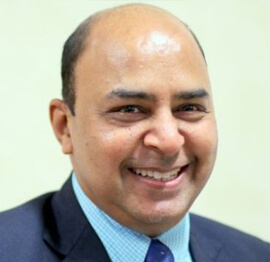
Avirag Jain
Director & CTO R Systems

Mahesh Chand
Founder C# Corner, CEO Mindcracker

Chris Gali
CEO & Co-Founder Graphite

Subinder Khurana
Chief Architect StoryProcess, Founder NASSCOM DeepTech Club

Bryan Rishforth
Investor, Chairman Graphite

Bryn Everson
Director Biz Dev Graphite

Raj Tiwari
Digital Transformation Leader, Futurist and Visionary

Joseph Guadagno
Microsoft MVP, Lead Quicken Loans

Nikita Sachdev
Entrepreneur, Blockchain Enthusiast & Advisor, Social Media Influencer

Doug Wagner
COO & Founder Adapt Technical Group

Ritesh Modi
Architect, Senior Evangelist, Cloud Architect

Crystal Wenrick
Director Communications Mindcracker

Allen O’Neill
Microsoft MVP, Consulting Engineer/Architect
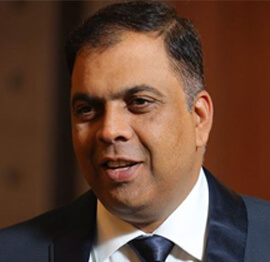
Praveen Kumar
CEO MCN Solutions

Chris Love
Founder Love2Dev, Microsoft MVP, Author

Sanjay Vyas
Microsoft Regional Director, Microsoft MVP, Founder & CEO SkillLabs Technologies

Veena Sarda
Deep Learning Consultant, Author

Sekhar Srinivasan
C# Corner MVP, Microsoft Certified Trainer, Pluralsight Author

Lalit Bansal
Founder & CEO - EIY SYS

Navdeep Garg
CEO Revinfotech

Prakash Tripathi
Tech Manager/Leader, Microsoft MVP, Blogger
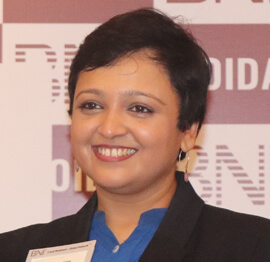
Bhavna Jain
Breakthrough Consultant

Naveen Sharma
Enterprise Architect, Leadership Coach, Author

Vidya Vrat Agarwal
Principal Architect, Microsoft MVP, Author

Sheetal Agarwal
Founder Clownselors, Medical Clown, Trainer

Abhishek Kant
Founder GTM Catalyst

Vishnu Saran
Founder & CEO VoiceQube

Sandeep Soni
Founder & CEO Deccansoft, Microsoft Certified Trainer

Parveen Malik
AVP InfoSec & Vulnerability Management, Information Security Expert

Nitin Pandit
Microsoft MVP, Developer Evangelist, Author

Niloshima Srivastava
C# Corner MVP, Tech Architect, Trainer, Blogger

Bala Chirtsabesan
Senior Software Engineer at Microsoft, Author

Manoj Mittal
Sr. Technical Architect, C# Corner MVP, Author

Chandni Di
Co-Founder Voice of Slum

Vithal Wadje
Technical Lead, Microsoft MVP, Author

Shivam Ahuja
Founder SkillCircle, Business Mentor

Chervine Bhiwoo
Solution Architect, Microsoft MVP, Author

Saurabh Jain
Vice President Paytm, Founder Fun2Do Labs, Author

Vinay Solanki
Head IoT at Lenovo, Founder IoT-NCR

Anshu kumari
Founder Blockchainkids, Inventor, Trainer

Amit Singal
CEO Startup Buddy

Dev Pratap
Co-Founder & CEO Voice of Slum

Amey Vartak
Technology Consultant, Full Stack Developer, C# Corner MVP, Author

Viswanatha Swamy
Principal Software Engineer, C# Corner MVP, Author

Sanket Verma
Research Engineer @ Ballistics (Forensics) and Chair, PyData Delhi

Sourabh Somani
Lead Developer, Microsoft MVP, Author

Abhishek Mishra
Software Architect, C# Corner MVP, Author

Siddharth Vaghasia
Technical Consultant, C# Corner MVP, Blogger
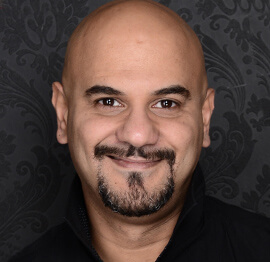
Bassam Alugili
Senior Software Specialist, Database Expert

S Ravi Kumar
Solution Architect, C# Corner MVP, Author

Sundaram Subramanian
Full Stack Developer, C# Corner MVP, Speaker

Deepesh Somani
Solution Architect, Microsoft MVP, Author

Debasis Saha
Technical Project Manager, C# Corner MVP, Blogger, Author

Vipul Jain
Software Architect, C# Corner MVP, Author

Akshay Patel
Technical Architect, Microsoft Certified Trainer, C# Corner MVP, Author

Stephen Simon
RPA Developer, Evangelist, Author

Vivek Sharma
Founder Kingster636, AR/VR Specialist

Jeetendra Gund
Technical Lead, C# Corner MVP, Author

Sujal Beniwal
AI Enthusiast, Student

M Viknaraj
Microsoft MVP, Azure Architect, Author

Prasham Sabadra
Software Architect, C# Corner MVP, Trainer, Author

Aakash Maurya
Senior Developer, C# Corner MVP, Speaker

Ankit Sharma
Senior Software Engineer, C# Corner MVP, Author

Mangesh Gaherwar
Team Lead, C# Corner MVP, Author

Viral Jain
Technical Consultant, C# Corner MVP, Author

Bhasker Das
Solution Architect, Evangelist

Manish Dwivedi
Associate Project Manager

Ck Nitin
Programmer, Author

Rohit Gupta
Technical Trainer, Author

Manish Tewatia
Full-stack Marketer, UX Designer

Bhavya Gaur
Technical Illustrator

Rohit Tomar
SEO/SMO Expert
Web Track
Cloud & Data Track
Dev Track
Registration & Breakfast
Future of Desktop Apps with JS (ElectronJs)
Nitin Pandit
Building Serverless Microservices Using Microsoft Azure
Vithal Wadje
Innovating RPA: A Robot for Every Person
Stephen Simon
Managing Cloud Storage Accounts using Logic Apps
Viknaraj Manogararajah
Data visualization using Python
Sekhar Srinivasan
Going Cross platform with AR Foundation
Vivek Sharma
Keynote
Managing your Azure dependencies in ASP.NET Core apps using VS
Bala Chirtsabesan
Securing Applications on Intelligent Azure
Abhishek Mishra
Getting started with Blazor the Framework of Future
S Ravi Kumar
Lunch
Build Progressive Web Apps using Angular 9
Debasis Saha
Build and deploy to any platform using Azure DevOps
Chervine Bhiwoo
Deep Dive in Azure Service Bus
Akshay Patel
Build a Native Mobile Application using React Native and JavaScript
Joseph Guadagno
Making sense of Web Job, Web Job SDK and Functions in Azure
Prakash Tripathi
CloudFront Distribution in AWS
Viral Jain
Tea Break
Introduction to PowerBI
Aakash Maurya
Build Advanced SPFx solutions with React and Graph API
Siddharth Vaghasia
Build Business Intelligence Analyst (BIA) Skills
Sundaram Subramanian
Deep dive of Power Platform – AI BUILDER
Prasham Sabadra
Panel 1
What's new in SharePoint development
Vipul Jain
Build a SSO (Single Sign On) based Native JavaScript application with Microsoft Identity within 10 minutes
Manoj Mittal
Panel 2
Applications and working of AI
Veena Sarda
Deploying serverless API's with .Net core 3.0 on AWS & Azure
Amey Vartak
Panel 3
Blockchain with .NET Core (Ark)
Anshu Kumari
Closing Note & Prize Distribution
Dev Track
Cloud Track
Architecture Track
Emerging Tech Track
Registration & Breakfast
Creating Full-Stack Web Apps Using Server-Side Blazor
Ankit Sharma
Real time face recognition with MS Cognitive Services
Niloshima Srivastava
Building Scalable APIs with GraphQL
Jeetendra Gund
Future of development with AI and Blockchain
Navdeep Garg
Debugging Tips and Tricks with Visual Studio 2019
Joseph Guadagno
Azure Containers
Abhishek Kant
Enterprise Architecture
Naveen Sharma
Bot Framework - learn it fast and look like a boss!
Allen O’Neill
Keynote
.Net Core & C# 8 Performance
David McCarter
Working with Azure kubernetes services
Ritesh Modi
Becoming an Architect
Vidyavrat Agarwal
Why Techies Need to Learn Product Management
Saurabh Jain
Lunch
Build a rules engine in .Net Core
Sanjay Vyas
Building CI and CD Pipeline using Azure DevOps
Sandeep Soni
Entity Framework Core - Tips and Tricks, Performance Optimization, and Tuning
Bassam Alugili
Hacking your way into Data Science
Sanket Verma
Speed up your .Net Core Website
Sourabh Somani
Azure
Magnus Mårtensson
Demystifying Open Distro for Elasticsearch
Suman Debnath
Future of Data
Shivam Ahuja
Tea Break
gRPC with C# and .Net Core
Mangesh Gaherwar
Panel 1
Essentials of Cloud security
Parveen Malik
Power platform and Dynamics 365
Deepesh Somani
Microservices - the gRPC Way
Viswanatha Swamy
Panel 2
Reserved
Reserved
Closing Note & Prize Distribution
Cleaner code with C# 10 file-scoped namespaces
C# 10 introduced a small change that reshapes how .NET developers structure source files. File-scoped namespaces let a single declaration at the top of a file apply to every type defined below, removing the nested braces that have wrapped C# code for two decades. For teams across Sydney, Melbourne, and Brisbane maintaining sprawling enterprise solutions, the new style trims vertical noise and makes diffs easier to read during code review.
The change arrived alongside other quality of life improvements in .NET 6, including global usings, top level statements, and record structs. Together these features lean toward a lighter, more modern C# that feels closer to scripting languages while keeping the static type safety developers rely on. For Australian teams shipping solutions for the local banking, mining, and agriculture sectors, where maintainability over many years is essential, the new namespace style is a small ergonomic upgrade that compounds across an entire codebase.
Indentation also flattens. A class that previously sat four or five tabs deep now sits at the file root, which makes screen sharing during pair programming sessions less painful. Reviewers can focus on logic rather than bracket matching. For remote teams working across AEST and AEDT time zones, every saved keystroke matters.
Adoption is optional. The classic block scoped namespace still compiles fine, so projects can migrate at their own pace. Understanding when and why to make the change is more valuable than flipping a switch across every repository on the first day.
Why file-scoped namespaces matter
C# code is verbose by tradition. Every type lives inside one or more namespace blocks, and every block adds an extra indent. A typical service file might contain a namespace, a using directive region, and a class with curly braces stacking three or four deep. Multiply that across thousands of files in a solution and the result is thousands of lines of pure indentation that carry no information.
File-scoped namespaces answer a simple question: does the indentation of a block carry meaning if every type in the file belongs to the same namespace? The answer from the C# language design team was no. A single namespace MyApp.Services; declaration at the top of the file conveys the same information without the nesting.
The benefit shows up most clearly in generated code. Source generators produce thousands of partial files, each wrapped in identical namespace declarations. With file-scoped namespaces those files become shorter and faster to read when debugging. Teams near Atlassian's Sydney headquarters benefit directly.
The basic syntax at a glance
The new syntax replaces the opening brace with a semicolon. A file that previously looked like:
namespace MyApp.Services
{
    public class OrderProcessor
    {
    }
}
becomes:
namespace MyApp.Services;

public class OrderProcessor
{
}
Only one namespace declaration is allowed per file, and it must appear before any type declarations. Comments and using directives can sit above it. The compiler enforces these rules, so malformed files fail to build with a clear diagnostic rather than producing surprising behaviour.
Visual Studio 2022 and JetBrains Rider honour the new style automatically. Refactor menus, file templates, and new class dialogs all generate file-scoped namespaces by default in recent versions. Shops in Perth or Adelaide running older toolchains need an editor upgrade first.
Refactoring existing code to the new style
The fastest way to migrate a single file is to place the cursor on the namespace declaration, trigger the Quick Actions menu in Visual Studio, and choose "Convert to file-scoped namespace". The IDE removes the braces and reindents the body in one step. Rider offers an equivalent inspection with a keyboard shortcut.
For larger migrations, the Roslyn analyser IDE0230 and IDE0231 flag files that still use block scoped namespaces. Setting these to warning or error level in the editorconfig provides a steady reminder during code review. Australian consultancies can wire the rule into their shared editorconfig repositories and roll the change out across every active engagement at once.
A mechanical rewrite tool is also available. The .NET team published a script using the Roslyn syntax APIs that walks a project, converts each file, and writes the result back. For solutions with tens of thousands of files this approach is faster than touching each file by hand, though a careful review of the diff is still wise.
Combining file-scoped namespaces with global usings
File-scoped namespaces pair naturally with global usings, another C# 10 feature. A global using directive lives in a single file, often named GlobalUsings.cs, and applies to every other file in the project. With both features enabled, a typical service file looks almost empty, and the using directives for namespaces like System, System.Collections.Generic, and System.Linq no longer appear in every file. They are declared once and inherited everywhere, which reduces duplication dramatically for teams shipping microservices across multiple projects.
Australian teams building Azure hosted solutions in the Australia East and Australia Southeast regions often standardise a template that bundles both features. The shared project file includes a single <Using Include="..." /> entry for each common namespace, and every new file starts with just a namespace line.
Working in mixed codebases during migration
Most large codebases cannot migrate in a single sitting. Old files keep block scoped namespaces while new files use the file-scoped form, and both compile in the same project without conflict. The visual mix can feel inconsistent during review, but incremental adoption remains safe.
One pragmatic approach is to migrate a folder at a time, starting with leaf directories that contain generated code or test files. Once a folder is converted the review discipline stays consistent within that part of the tree. Melbourne's .NET community has shared notes about doing folder by folder migrations over a sprint or two without breaking feature branches.
Build agents should be updated to use .NET 6 or later before any migration starts, since earlier SDKs do not understand the new syntax. A simple target framework bump in the csproj is enough. The feature is forward compatible, so older toolchains still work during the very early phase.
Pairing the feature with editorconfig enforcement
Style rules live most happily in an editorconfig file. Adding csharp_style_namespace_declarations = file_scoped:suggestion (or warning, or error) makes Visual Studio and Rider flag any new file that uses block scoped namespaces. The setting is read by both IDEs, so the rule applies regardless of which tool a developer prefers.
For larger organisations with distributed teams across Sydney and Adelaide, hosting the editorconfig in a shared repository and referencing it from each solution keeps the style consistent. A small dotnet format check in the CI pipeline catches drift before it lands on main. The whole setup takes less than an hour to configure.
Reference material is available through the C# Corner conference, where sessions cover language updates and team workflow. Engineers picking modern C# patterns find the agenda useful without reinventing the wheel.
Best practices and common pitfalls
Keep one type per file when adopting file-scoped namespaces. The feature only makes sense if every type in the file shares the same namespace, which is the dominant convention in C# projects. Files that already violate this rule may need a small rethink.
Avoid mixing the two styles within the same project for too long. A long migration window creates confusion during onboarding, since new hires learn one style from older files and another from newer ones. Pick a date, convert the whole tree, and move on.
Watch out for preprocessor directives that wrap large blocks of code. Conditional compilation sections sometimes rely on the closing brace of a namespace to terminate their scope. With file-scoped namespaces those braces disappear, so any large region blocks need a once over. A quick build with each configuration combination catches any oversights.
Treat file-scoped namespaces as a default rather than a religion. Generated files, interop wrappers, and odd partials sometimes read better in the old style. The compiler accepts both, and so should reviewers. Consistency across the project is what matters.










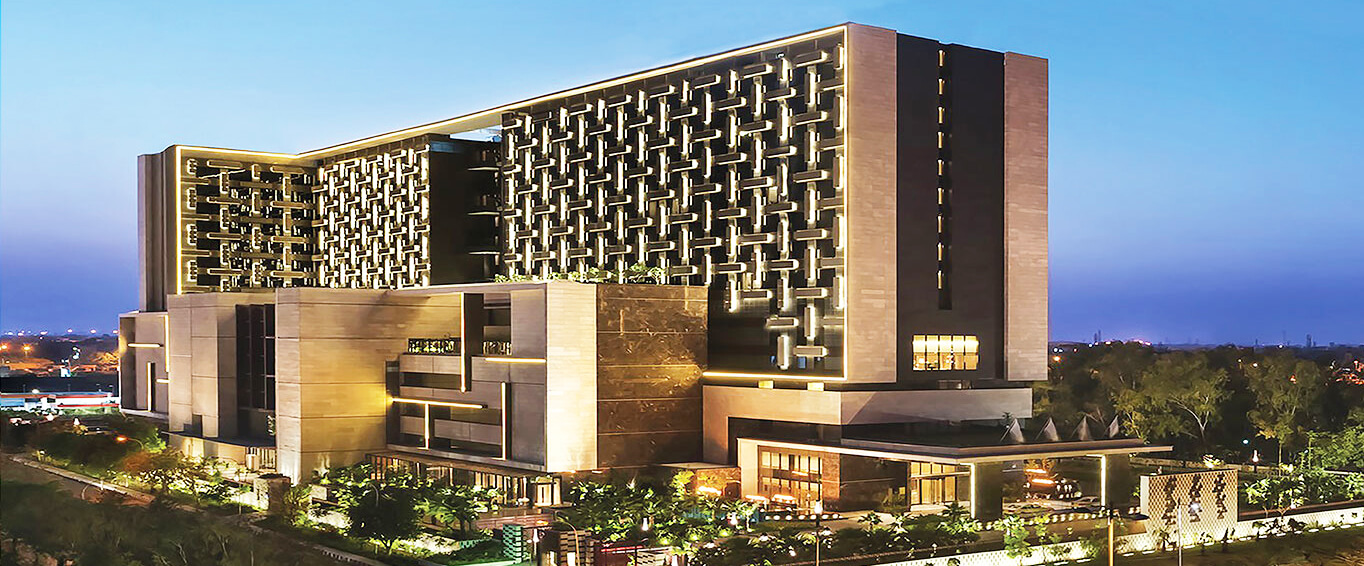
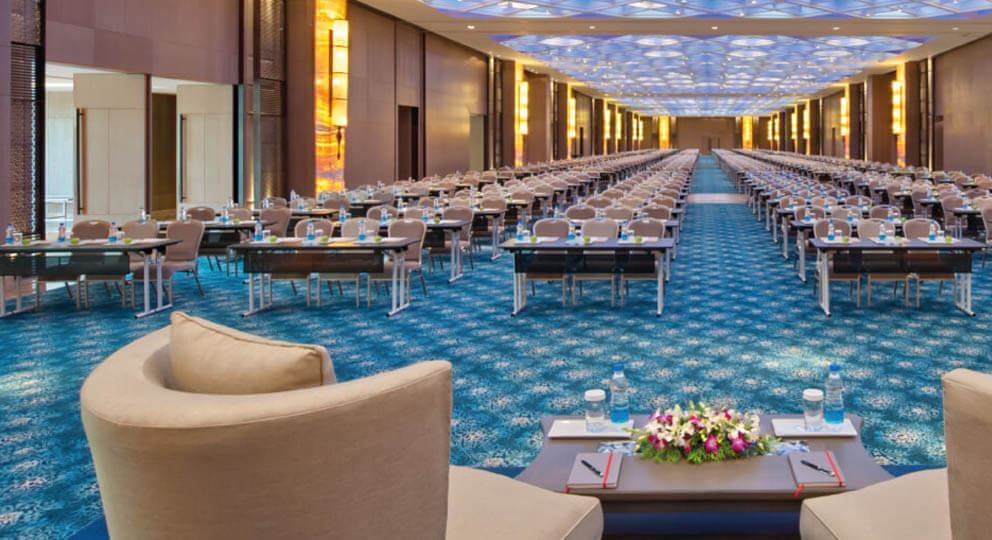
1, CBD, Maharaj Surajmal Road, Near Yamuna Sports Complex, Delhi, 110032



GENERAL QUERIES
Manish Tewatia
manish@csharpcon.com
+91-9718-431-042
TICKET QUERIES
Atul Gupta
conference@csharpcon.com
+91-9910-125-804