
Presents


Magnus Mårtensson
Microsoft Regional Director, Azure MVP, CEO Loftysoft
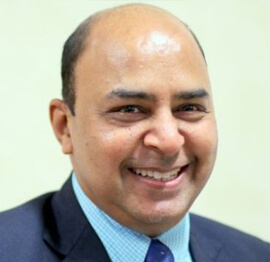
Avirag Jain
Director & CTO R Systems
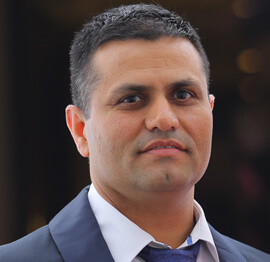
Mahesh Chand
Founder C# Corner, CEO Mindcracker

Chris Gali
CEO & Co-Founder Graphite

Subinder Khurana
Chief Architect StoryProcess, Founder NASSCOM DeepTech Club

Bryan Rishforth
Investor, Chairman Graphite

Bryn Everson
Director Biz Dev Graphite
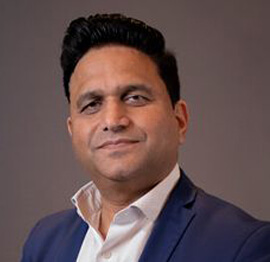
Raj Tiwari
Digital Transformation Leader, Futurist and Visionary
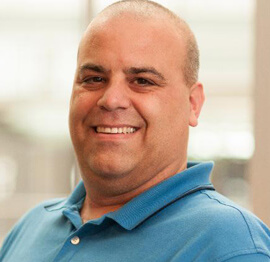
Joseph Guadagno
Microsoft MVP, Lead Quicken Loans

Nikita Sachdev
Entrepreneur, Blockchain Enthusiast & Advisor, Social Media Influencer

Doug Wagner
COO & Founder Adapt Technical Group

Ritesh Modi
Architect, Senior Evangelist, Cloud Architect

Crystal Wenrick
Director Communications Mindcracker

Allen O’Neill
Microsoft MVP, Consulting Engineer/Architect
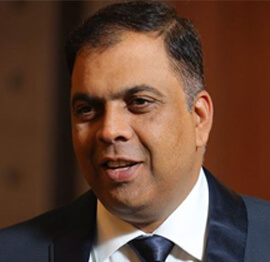
Praveen Kumar
CEO MCN Solutions
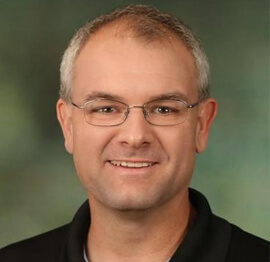
Chris Love
Founder Love2Dev, Microsoft MVP, Author

Sanjay Vyas
Microsoft Regional Director, Microsoft MVP, Founder & CEO SkillLabs Technologies
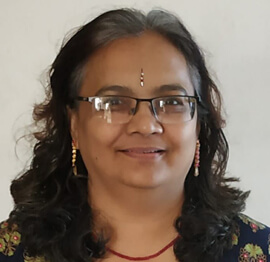
Veena Sarda
Deep Learning Consultant, Author

Sekhar Srinivasan
C# Corner MVP, Microsoft Certified Trainer, Pluralsight Author
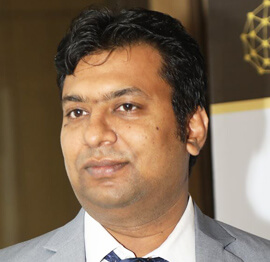
Lalit Bansal
Founder & CEO - EIY SYS
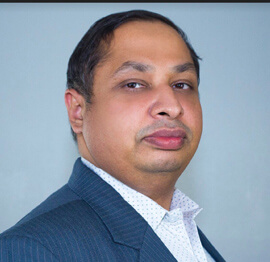
Navdeep Garg
CEO Revinfotech

Prakash Tripathi
Tech Manager/Leader, Microsoft MVP, Blogger
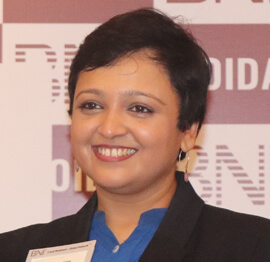
Bhavna Jain
Breakthrough Consultant

Naveen Sharma
Enterprise Architect, Leadership Coach, Author
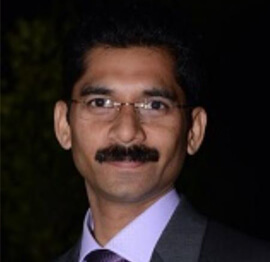
Vidya Vrat Agarwal
Principal Architect, Microsoft MVP, Author

Sheetal Agarwal
Founder Clownselors, Medical Clown, Trainer

Abhishek Kant
Founder GTM Catalyst

Vishnu Saran
Founder & CEO VoiceQube

Sandeep Soni
Founder & CEO Deccansoft, Microsoft Certified Trainer

Parveen Malik
AVP InfoSec & Vulnerability Management, Information Security Expert

Nitin Pandit
Microsoft MVP, Developer Evangelist, Author

Niloshima Srivastava
C# Corner MVP, Tech Architect, Trainer, Blogger

Bala Chirtsabesan
Senior Software Engineer at Microsoft, Author

Manoj Mittal
Sr. Technical Architect, C# Corner MVP, Author

Chandni Di
Co-Founder Voice of Slum

Vithal Wadje
Technical Lead, Microsoft MVP, Author

Shivam Ahuja
Founder SkillCircle, Business Mentor

Chervine Bhiwoo
Solution Architect, Microsoft MVP, Author

Saurabh Jain
Vice President Paytm, Founder Fun2Do Labs, Author

Vinay Solanki
Head IoT at Lenovo, Founder IoT-NCR
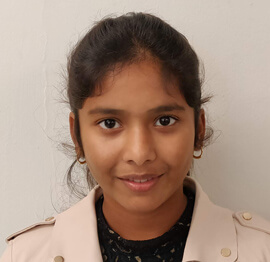
Anshu kumari
Founder Blockchainkids, Inventor, Trainer

Amit Singal
CEO Startup Buddy
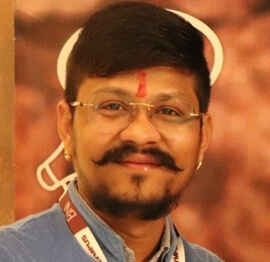
Dev Pratap
Co-Founder & CEO Voice of Slum

Amey Vartak
Technology Consultant, Full Stack Developer, C# Corner MVP, Author

Viswanatha Swamy
Principal Software Engineer, C# Corner MVP, Author

Sanket Verma
Research Engineer @ Ballistics (Forensics) and Chair, PyData Delhi

Sourabh Somani
Lead Developer, Microsoft MVP, Author
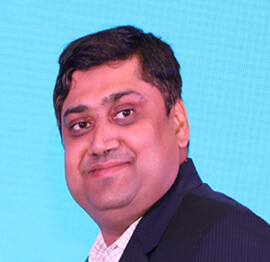
Abhishek Mishra
Software Architect, C# Corner MVP, Author

Siddharth Vaghasia
Technical Consultant, C# Corner MVP, Blogger
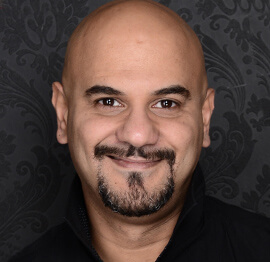
Bassam Alugili
Senior Software Specialist, Database Expert

S Ravi Kumar
Solution Architect, C# Corner MVP, Author

Sundaram Subramanian
Full Stack Developer, C# Corner MVP, Speaker

Deepesh Somani
Solution Architect, Microsoft MVP, Author
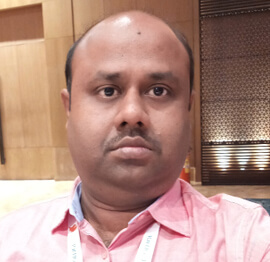
Debasis Saha
Technical Project Manager, C# Corner MVP, Blogger, Author
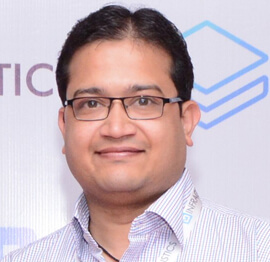
Vipul Jain
Software Architect, C# Corner MVP, Author

Akshay Patel
Technical Architect, Microsoft Certified Trainer, C# Corner MVP, Author

Stephen Simon
RPA Developer, Evangelist, Author
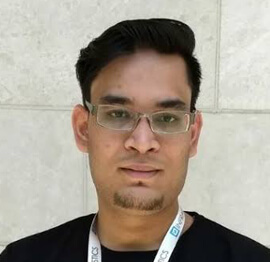
Vivek Sharma
Founder Kingster636, AR/VR Specialist

Jeetendra Gund
Technical Lead, C# Corner MVP, Author
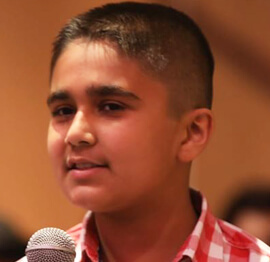
Sujal Beniwal
AI Enthusiast, Student

M Viknaraj
Microsoft MVP, Azure Architect, Author

Prasham Sabadra
Software Architect, C# Corner MVP, Trainer, Author
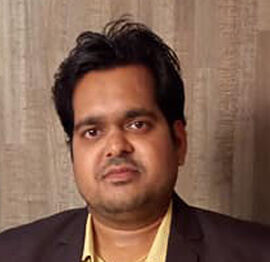
Aakash Maurya
Senior Developer, C# Corner MVP, Speaker

Ankit Sharma
Senior Software Engineer, C# Corner MVP, Author

Mangesh Gaherwar
Team Lead, C# Corner MVP, Author

Viral Jain
Technical Consultant, C# Corner MVP, Author
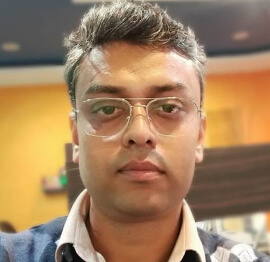
Bhasker Das
Solution Architect, Evangelist

Manish Dwivedi
Associate Project Manager

Ck Nitin
Programmer, Author

Rohit Gupta
Technical Trainer, Author

Manish Tewatia
Full-stack Marketer, UX Designer

Bhavya Gaur
Technical Illustrator
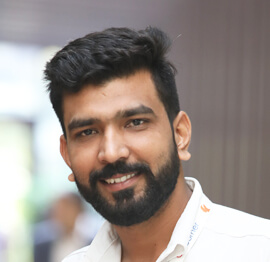
Rohit Tomar
SEO/SMO Expert
Web Track
Cloud & Data Track
Dev Track
Registration & Breakfast
Future of Desktop Apps with JS (ElectronJs)
Nitin Pandit
Building Serverless Microservices Using Microsoft Azure
Vithal Wadje
Innovating RPA: A Robot for Every Person
Stephen Simon
Managing Cloud Storage Accounts using Logic Apps
Viknaraj Manogararajah
Data visualization using Python
Sekhar Srinivasan
Going Cross platform with AR Foundation
Vivek Sharma
Keynote
Managing your Azure dependencies in ASP.NET Core apps using VS
Bala Chirtsabesan
Securing Applications on Intelligent Azure
Abhishek Mishra
Getting started with Blazor the Framework of Future
S Ravi Kumar
Lunch
Build Progressive Web Apps using Angular 9
Debasis Saha
Build and deploy to any platform using Azure DevOps
Chervine Bhiwoo
Deep Dive in Azure Service Bus
Akshay Patel
Build a Native Mobile Application using React Native and JavaScript
Joseph Guadagno
Making sense of Web Job, Web Job SDK and Functions in Azure
Prakash Tripathi
CloudFront Distribution in AWS
Viral Jain
Tea Break
Introduction to PowerBI
Aakash Maurya
Build Advanced SPFx solutions with React and Graph API
Siddharth Vaghasia
Build Business Intelligence Analyst (BIA) Skills
Sundaram Subramanian
Deep dive of Power Platform – AI BUILDER
Prasham Sabadra
Panel 1
What's new in SharePoint development
Vipul Jain
Build a SSO (Single Sign On) based Native JavaScript application with Microsoft Identity within 10 minutes
Manoj Mittal
Panel 2
Applications and working of AI
Veena Sarda
Deploying serverless API's with .Net core 3.0 on AWS & Azure
Amey Vartak
Panel 3
Blockchain with .NET Core (Ark)
Anshu Kumari
Closing Note & Prize Distribution
Dev Track
Cloud Track
Architecture Track
Emerging Tech Track
Registration & Breakfast
Creating Full-Stack Web Apps Using Server-Side Blazor
Ankit Sharma
Real time face recognition with MS Cognitive Services
Niloshima Srivastava
Building Scalable APIs with GraphQL
Jeetendra Gund
Future of development with AI and Blockchain
Navdeep Garg
Debugging Tips and Tricks with Visual Studio 2019
Joseph Guadagno
Azure Containers
Abhishek Kant
Enterprise Architecture
Naveen Sharma
Bot Framework - learn it fast and look like a boss!
Allen O’Neill
Keynote
.Net Core & C# 8 Performance
David McCarter
Working with Azure kubernetes services
Ritesh Modi
Becoming an Architect
Vidyavrat Agarwal
Why Techies Need to Learn Product Management
Saurabh Jain
Lunch
Build a rules engine in .Net Core
Sanjay Vyas
Building CI and CD Pipeline using Azure DevOps
Sandeep Soni
Entity Framework Core - Tips and Tricks, Performance Optimization, and Tuning
Bassam Alugili
Hacking your way into Data Science
Sanket Verma
Speed up your .Net Core Website
Sourabh Somani
Azure
Magnus Mårtensson
Demystifying Open Distro for Elasticsearch
Suman Debnath
Future of Data
Shivam Ahuja
Tea Break
gRPC with C# and .Net Core
Mangesh Gaherwar
Panel 1
Essentials of Cloud security
Parveen Malik
Power platform and Dynamics 365
Deepesh Somani
Microservices - the gRPC Way
Viswanatha Swamy
Panel 2
Reserved
Reserved
Closing Note & Prize Distribution
Wiring Serilog to Application Insights for richer .NET telemetry
Modern .NET services rarely live as a single process on a single machine. A request can land at a load balancer in Sydney, fan out to a microservices cluster hosted in an Australian Azure region, and trigger background jobs that touch databases running in Melbourne. When something goes wrong, scattered console output and IIS log files simply do not give engineers the end-to-end view required to act quickly. Structured logging combined with a managed telemetry backend changes that equation entirely, and pairing Serilog with Application Insights is one of the most common ways Australian engineering teams make it happen.
Serilog is a diagnostic logging library for .NET that captures events as rich, structured properties rather than flat text. Application Insights, the APM component of Azure Monitor, ingests those events and correlates them with requests, dependencies, exceptions, and custom metrics. When the two are joined through the correct sink, every log line becomes a queryable record with timestamps, severity, request IDs, and trace context. For teams shipping APIs out of Brisbane or Perth, this combination often replaces bespoke logging wrappers and ad-hoc file scraping.
This walkthrough explains how the pieces fit together, which sink variant fits which scenario, and how to ship a configuration that survives the realities of production. Whether the audience is a fintech in the Sydney CBD, a healthcare integration vendor in Adelaide, or a small SaaS shop in Hobart, the same building blocks apply, with only the surrounding governance choices changing.
Understanding the building blocks and how they compare
Before writing any code, it helps to be precise about the moving parts. Serilog is the producer; it captures messages from your application and shapes them. Sinks are the destinations; they decide where formatted events go. Enrichers decorate events with extra properties such as machine name, process ID, thread ID, or the current correlation context. Formatters translate a structured log into a wire format such as JSON or a compact message template. Application Insights is the receiver, exposing the data through the Azure portal, Log Analytics, and Kusto queries.
The common approach for sending Serilog output to Application Insights is to install a sink that knows how to speak the AI ingestion protocol. There are two mature options, and teams in Australia commonly evaluate both before settling on one.
| Feature | Serilog.Sinks.ApplicationInsights | Serilog.Sinks.ApplicationInsights.TelemetryCorrelation |
|---|---|---|
| Maintainer | Serilog community | Serilog community |
| Target framework support | .NET Framework, .NET Core, .NET 5+ | .NET Framework, .NET Core, .NET 5+ |
| Correlation with requests and dependencies | Requires manual configuration | Built-in when telemetry is initialized |
| Output format to AI | TraceTelemetry and EventTelemetry | TraceTelemetry and EventTelemetry |
| Recommended for | Legacy services and quick prototypes | Production services needing full distributed tracing |
| Configuration style | Code or appsettings | Code or appsettings with enrichers |
For greenfield services, the TelemetryCorrelation package is almost always the right answer because it threads Operation_Id and Operation_ParentId through every event, which is what makes a click in Sydney appear in the same trace as a backend call executed in an Azure Australia East datacenter.
Setting up the project in Visual Studio
Open Visual Studio 2019 or 2022 and create a new ASP.NET Core Web API project targeting .NET 6 or later. Add the NuGet packages the pipeline requires: Serilog.AspNetCore, Serilog.Sinks.ApplicationInsights, and Serilog.Sinks.ApplicationInsights.TelemetryCorrelation. The TelemetryCorrelation package pulls several enrichers with it, including the request-id enricher that ensures each HTTP request gets a stable identifier across threads and async continuations.
In appsettings.json, configure the Application Insights connection string rather than the legacy instrumentation key. Connection strings let you pin a specific Azure region and a specific endpoint, which matters when an Australian tenant is required to keep telemetry inside Australia for data sovereignty reasons. The InstrumentationKey=...;IngestionEndpoint=https://australiaeast-0.in.applicationinsights.azure.com/ form gives the runtime the correct Australian ingestion host.
The connection string is read at startup and passed to the Serilog logger configuration. Sensitive values can be sourced from Azure Key Vault, User Secrets during development, or environment variables in production. Local .NET user groups, from the DDD Perth meetup to the Brisbane .NET community, often share starter templates that wire User Secrets in by default.
Wiring the pipeline in code
Inside Program.cs, the Serilog logger is created before the host is constructed so that even startup failures are captured. A typical configuration begins with LoggerConfiguration(), sets the minimum level, adds enrichers, and writes to multiple sinks. The console sink stays on for local debugging, while the Application Insights sink receives the same events for cloud analysis.
Log.Logger = new LoggerConfiguration()
    .MinimumLevel.Information()
    .Enrich.FromLogContext()
    .Enrich.WithMachineName()
    .Enrich.WithProcessId()
    .Enrich.WithThreadId()
    .WriteTo.Console()
    .WriteTo.ApplicationInsights(
        telemetryConfiguration: TelemetryConfiguration.CreateDefault(),
        telemetryConverter: new TraceTelemetryConverter())
    .CreateLogger();
Once the logger exists, the host is built with UseSerilog() so that ASP.NET Core's internal logging routes through Serilog. The result is that every ILogger call inside the framework and your code produces a structured event, decorated with correlation IDs and routed to Application Insights as TraceTelemetry.
The TraceTelemetryConverter is the default and emits each log event as a TraceTelemetry with severity, message, and properties attached. A common extension is to also pipe warning-level and higher events into EventTelemetry, so that the failures show up under the custom events blade in the Azure portal without further configuration.
Production hardening, sampling, and the Australian context
A pipeline that works on a developer laptop can collapse under production load. Application Insights has an ingestion cap, and Serilog will happily throw events away without complaint if that cap is reached. A fixed sampling ratio or an adaptive sampling policy in the ApplicationInsightsServiceOptions keeps volumes predictable. For services that must preserve every event for compliance reasons, such as a payroll platform processing payments under APRA oversight, sampling should be disabled and the cap raised through an Azure support ticket.
Properties carried by Serilog events become columns in Log Analytics. Standard fields such as RequestId, CorrelationId, UserId, and SessionId should be enriched at the logger level so that Kusto queries can join logs with traces and dependencies. The Australian Cyber Security Centre's Essential Eight maturity model encourages log retention of at least 18 months for many entities, and structuring properties up front makes that retention useful rather than ornamental.
Time zones are another practical concern. Azure Monitor stores timestamps in UTC, but Australian engineers in Melbourne, Sydney, Brisbane, Perth, or Hobart need to read them in AEST, AEDT, AWST, or ACST when triaging an incident. A simple Kusto projection, extend local_time = todatetime(timestamp) + 10h, produces a column aligned to AEDT during daylight saving, with the offset adjusted for the rest of the year.
Finally, it pays to think about who sees what. Application Insights supports role-based access, and a sensible baseline is to give developers Contributor access in non-production resources and Reader access in production. The same RBAC model satisfies the access-control expectations outlined in the Notifiable Data Breaches scheme, which has shaped how Australian software vendors expose telemetry to support teams.
Where to go next and who is presenting it
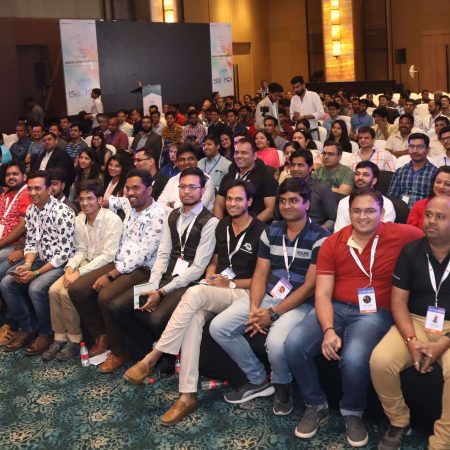
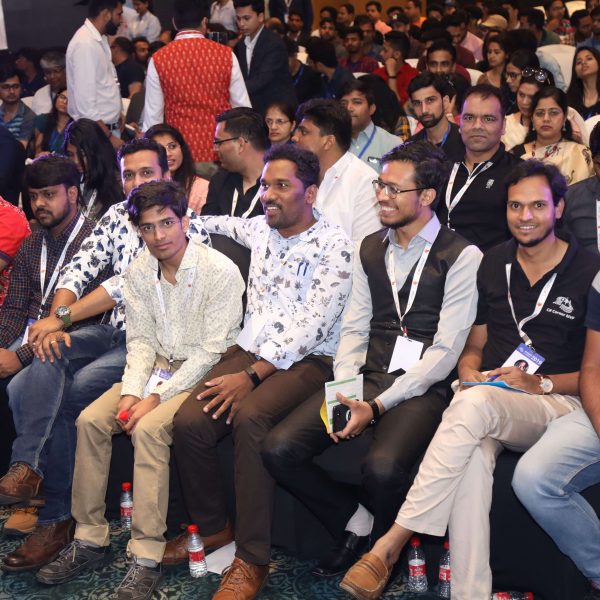
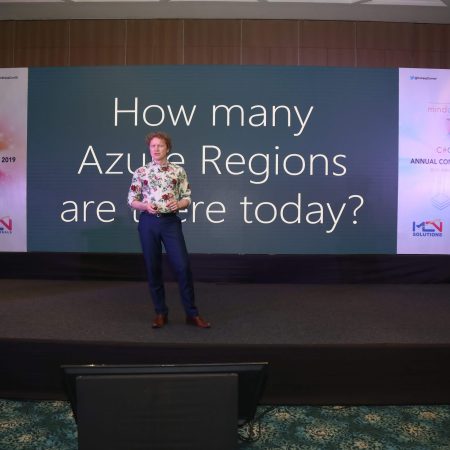
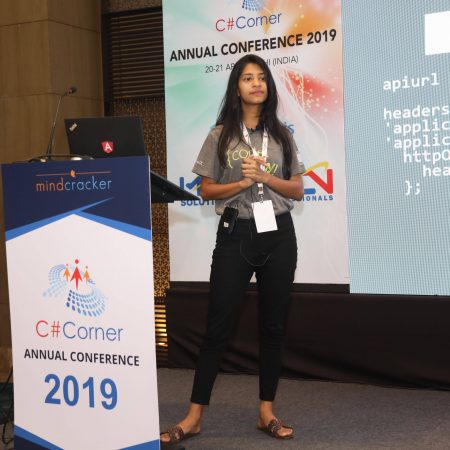
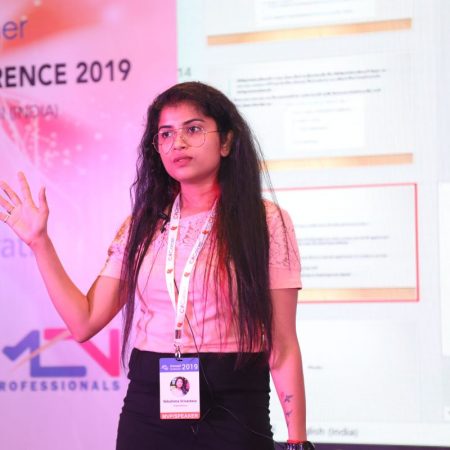
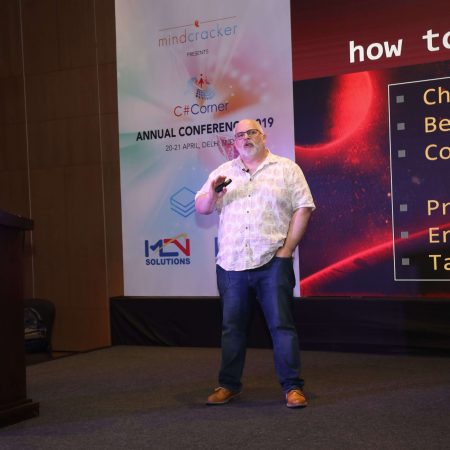
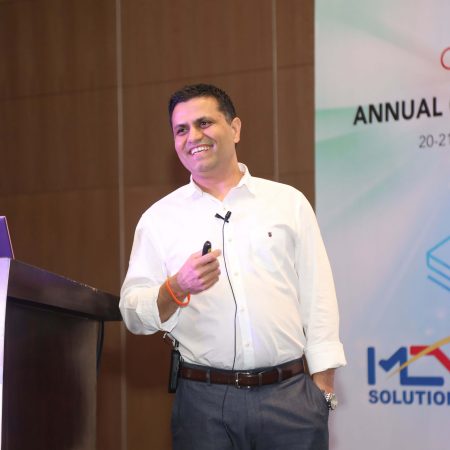
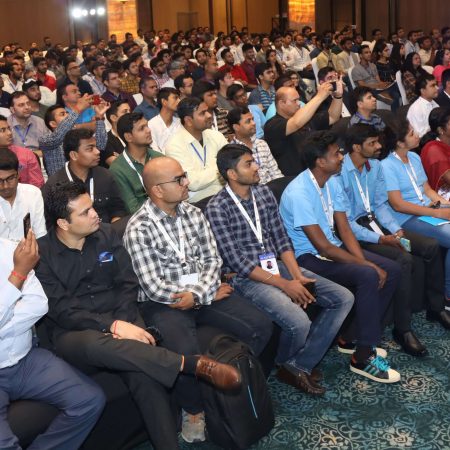
The patterns above have been battle-tested across many stacks running in Australian Azure regions, but there is always more to learn. Engineers interested in seeing live coding sessions, deep dives into .NET diagnostics, and Azure observability patterns should keep an eye on the program for the C# Corner Annual Conference 2020. The three-day event covers logging, telemetry, cloud, DevOps, and AI tracks, and the event platform lets attendees build a personal agenda from the published speakers. Watching a live walkthrough of a Serilog-to-Application Insights setup often reveals small details, from enricher ordering to sink flush behaviour, that are hard to capture in a written guide.
Beyond the conference, the Serilog GitHub repository hosts an extensive list of sinks, enrichers, and formatters curated by the community. Reading the source for Serilog.Sinks.ApplicationInsights.TelemetryCorrelation is a quick way to understand how Operation_Id propagates from Activity.Current into a log event's properties. Pairing that reading with a local Kusto sandbox gives engineers the full feedback loop needed to debug complex multi-region issues without waiting for production traffic.
A final practical tip is to commit the Serilog configuration to source control and to gate changes behind the same code review process as business code. Logging pipelines tend to grow quietly until they become hard to maintain, and a pull request review is the cheapest place to catch a sink that floods a workspace or a property name that collides with an existing column in Log Analytics. With those habits in place, the journey from Log.Information("Hello, world") to a queryable, correlated trace on the other side of the planet becomes a calm engineering activity rather than a firefighting exercise.








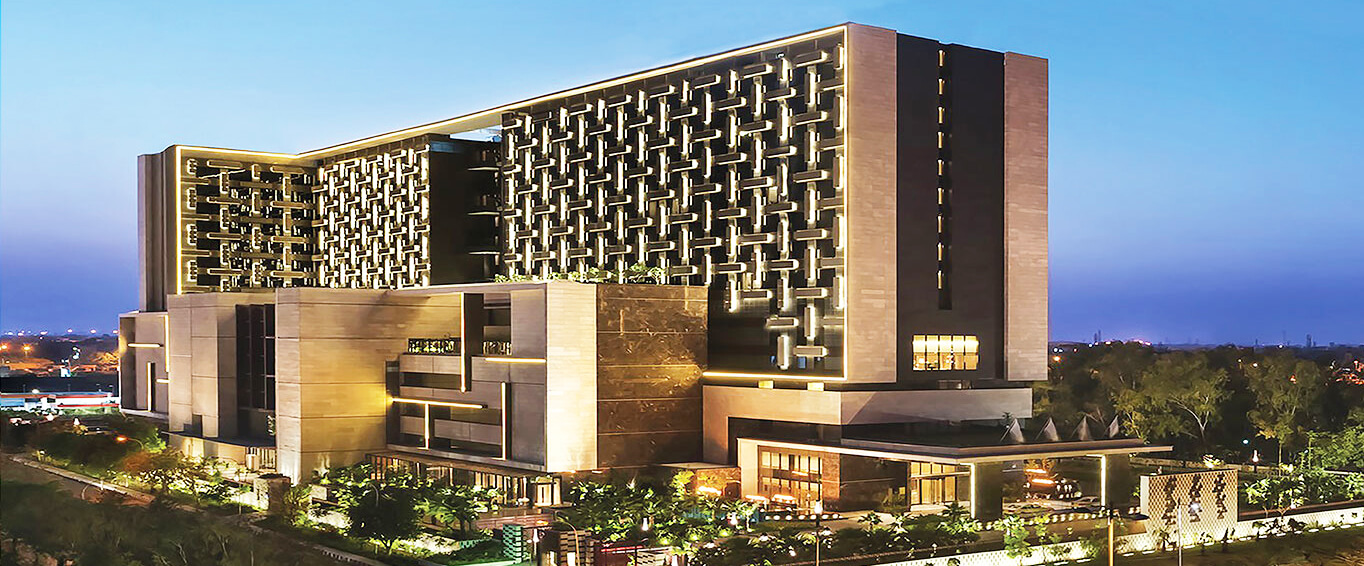
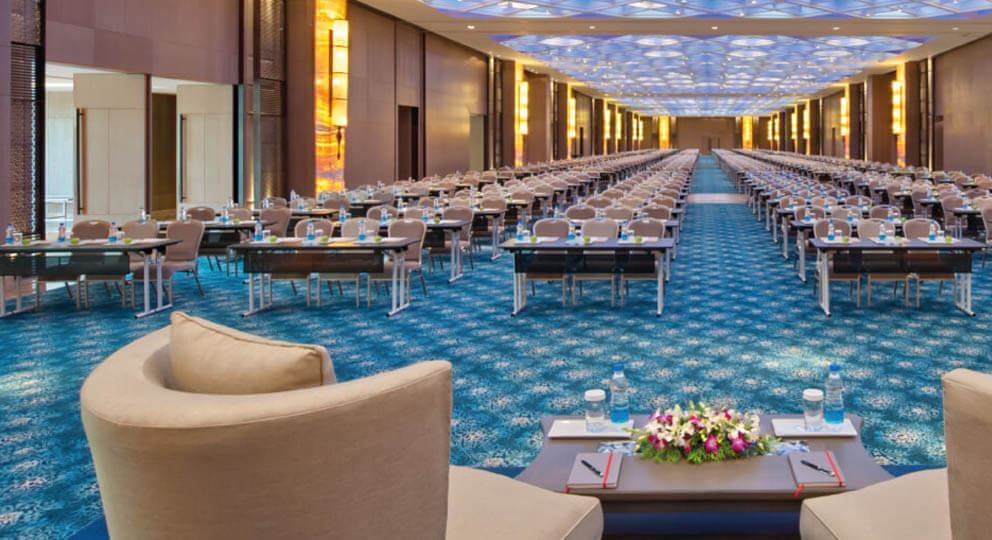
1, CBD, Maharaj Surajmal Road, Near Yamuna Sports Complex, Delhi, 110032

GENERAL QUERIES
Manish Tewatia
manish@csharpcon.com
+91-9718-431-042
TICKET QUERIES
Atul Gupta
conference@csharpcon.com
+91-9910-125-804