

Presents


Magnus Mårtensson
Microsoft Regional Director, Azure MVP, CEO Loftysoft

Avirag Jain
Director & CTO R Systems

Mahesh Chand
Founder C# Corner, CEO Mindcracker

Chris Gali
CEO & Co-Founder Graphite

Subinder Khurana
Chief Architect StoryProcess, Founder NASSCOM DeepTech Club

Bryan Rishforth
Investor, Chairman Graphite

Bryn Everson
Director Biz Dev Graphite

Raj Tiwari
Digital Transformation Leader, Futurist and Visionary

Joseph Guadagno
Microsoft MVP, Lead Quicken Loans

Nikita Sachdev
Entrepreneur, Blockchain Enthusiast & Advisor, Social Media Influencer

Doug Wagner
COO & Founder Adapt Technical Group

Ritesh Modi
Architect, Senior Evangelist, Cloud Architect

Crystal Wenrick
Director Communications Mindcracker

Allen O’Neill
Microsoft MVP, Consulting Engineer/Architect
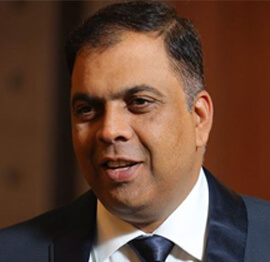
Praveen Kumar
CEO MCN Solutions

Chris Love
Founder Love2Dev, Microsoft MVP, Author

Sanjay Vyas
Microsoft Regional Director, Microsoft MVP, Founder & CEO SkillLabs Technologies

Veena Sarda
Deep Learning Consultant, Author

Sekhar Srinivasan
C# Corner MVP, Microsoft Certified Trainer, Pluralsight Author
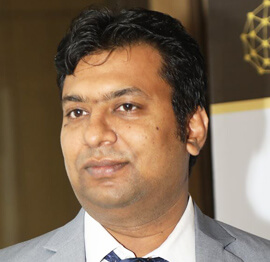
Lalit Bansal
Founder & CEO - EIY SYS

Navdeep Garg
CEO Revinfotech

Prakash Tripathi
Tech Manager/Leader, Microsoft MVP, Blogger
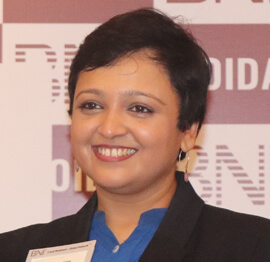
Bhavna Jain
Breakthrough Consultant

Naveen Sharma
Enterprise Architect, Leadership Coach, Author

Vidya Vrat Agarwal
Principal Architect, Microsoft MVP, Author

Sheetal Agarwal
Founder Clownselors, Medical Clown, Trainer

Abhishek Kant
Founder GTM Catalyst

Vishnu Saran
Founder & CEO VoiceQube

Sandeep Soni
Founder & CEO Deccansoft, Microsoft Certified Trainer

Parveen Malik
AVP InfoSec & Vulnerability Management, Information Security Expert

Nitin Pandit
Microsoft MVP, Developer Evangelist, Author

Niloshima Srivastava
C# Corner MVP, Tech Architect, Trainer, Blogger

Bala Chirtsabesan
Senior Software Engineer at Microsoft, Author

Manoj Mittal
Sr. Technical Architect, C# Corner MVP, Author

Chandni Di
Co-Founder Voice of Slum

Vithal Wadje
Technical Lead, Microsoft MVP, Author

Shivam Ahuja
Founder SkillCircle, Business Mentor

Chervine Bhiwoo
Solution Architect, Microsoft MVP, Author

Saurabh Jain
Vice President Paytm, Founder Fun2Do Labs, Author

Vinay Solanki
Head IoT at Lenovo, Founder IoT-NCR

Anshu kumari
Founder Blockchainkids, Inventor, Trainer

Amit Singal
CEO Startup Buddy

Dev Pratap
Co-Founder & CEO Voice of Slum

Amey Vartak
Technology Consultant, Full Stack Developer, C# Corner MVP, Author

Viswanatha Swamy
Principal Software Engineer, C# Corner MVP, Author

Sanket Verma
Research Engineer @ Ballistics (Forensics) and Chair, PyData Delhi

Sourabh Somani
Lead Developer, Microsoft MVP, Author

Abhishek Mishra
Software Architect, C# Corner MVP, Author

Siddharth Vaghasia
Technical Consultant, C# Corner MVP, Blogger
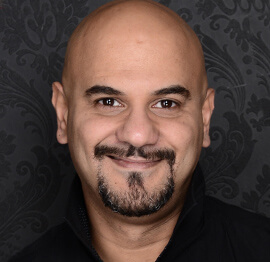
Bassam Alugili
Senior Software Specialist, Database Expert

S Ravi Kumar
Solution Architect, C# Corner MVP, Author

Sundaram Subramanian
Full Stack Developer, C# Corner MVP, Speaker

Deepesh Somani
Solution Architect, Microsoft MVP, Author

Debasis Saha
Technical Project Manager, C# Corner MVP, Blogger, Author

Vipul Jain
Software Architect, C# Corner MVP, Author

Akshay Patel
Technical Architect, Microsoft Certified Trainer, C# Corner MVP, Author

Stephen Simon
RPA Developer, Evangelist, Author

Vivek Sharma
Founder Kingster636, AR/VR Specialist

Jeetendra Gund
Technical Lead, C# Corner MVP, Author
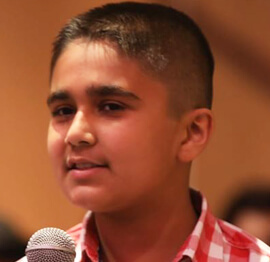
Sujal Beniwal
AI Enthusiast, Student

M Viknaraj
Microsoft MVP, Azure Architect, Author

Prasham Sabadra
Software Architect, C# Corner MVP, Trainer, Author

Aakash Maurya
Senior Developer, C# Corner MVP, Speaker

Ankit Sharma
Senior Software Engineer, C# Corner MVP, Author

Mangesh Gaherwar
Team Lead, C# Corner MVP, Author

Viral Jain
Technical Consultant, C# Corner MVP, Author

Bhasker Das
Solution Architect, Evangelist

Manish Dwivedi
Associate Project Manager

Ck Nitin
Programmer, Author

Rohit Gupta
Technical Trainer, Author

Manish Tewatia
Full-stack Marketer, UX Designer

Bhavya Gaur
Technical Illustrator

Rohit Tomar
SEO/SMO Expert
Web Track
Cloud & Data Track
Dev Track
Registration & Breakfast
Future of Desktop Apps with JS (ElectronJs)
Nitin Pandit
Building Serverless Microservices Using Microsoft Azure
Vithal Wadje
Innovating RPA: A Robot for Every Person
Stephen Simon
Managing Cloud Storage Accounts using Logic Apps
Viknaraj Manogararajah
Data visualization using Python
Sekhar Srinivasan
Going Cross platform with AR Foundation
Vivek Sharma
Keynote
Managing your Azure dependencies in ASP.NET Core apps using VS
Bala Chirtsabesan
Securing Applications on Intelligent Azure
Abhishek Mishra
Getting started with Blazor the Framework of Future
S Ravi Kumar
Lunch
Build Progressive Web Apps using Angular 9
Debasis Saha
Build and deploy to any platform using Azure DevOps
Chervine Bhiwoo
Deep Dive in Azure Service Bus
Akshay Patel
Build a Native Mobile Application using React Native and JavaScript
Joseph Guadagno
Making sense of Web Job, Web Job SDK and Functions in Azure
Prakash Tripathi
CloudFront Distribution in AWS
Viral Jain
Tea Break
Introduction to PowerBI
Aakash Maurya
Build Advanced SPFx solutions with React and Graph API
Siddharth Vaghasia
Build Business Intelligence Analyst (BIA) Skills
Sundaram Subramanian
Deep dive of Power Platform – AI BUILDER
Prasham Sabadra
Panel 1
What's new in SharePoint development
Vipul Jain
Build a SSO (Single Sign On) based Native JavaScript application with Microsoft Identity within 10 minutes
Manoj Mittal
Panel 2
Applications and working of AI
Veena Sarda
Deploying serverless API's with .Net core 3.0 on AWS & Azure
Amey Vartak
Panel 3
Blockchain with .NET Core (Ark)
Anshu Kumari
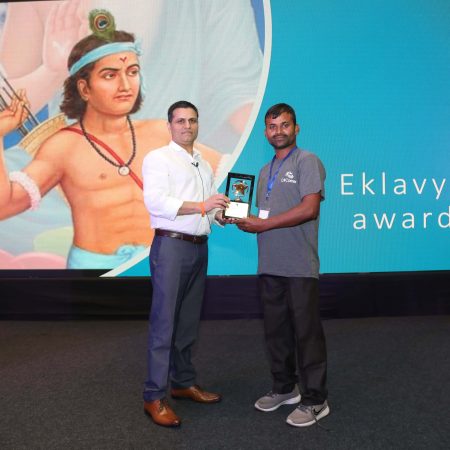
Closing Note & Prize Distribution
Dev Track
Cloud Track
Architecture Track
Emerging Tech Track
Registration & Breakfast
Creating Full-Stack Web Apps Using Server-Side Blazor
Ankit Sharma
Real time face recognition with MS Cognitive Services
Niloshima Srivastava
Building Scalable APIs with GraphQL
Jeetendra Gund
Future of development with AI and Blockchain
Navdeep Garg
Debugging Tips and Tricks with Visual Studio 2019
Joseph Guadagno
Azure Containers
Abhishek Kant
Enterprise Architecture
Naveen Sharma
Bot Framework - learn it fast and look like a boss!
Allen O’Neill
Keynote
.Net Core & C# 8 Performance
David McCarter
Working with Azure kubernetes services
Ritesh Modi
Becoming an Architect
Vidyavrat Agarwal
Why Techies Need to Learn Product Management
Saurabh Jain
Lunch
Build a rules engine in .Net Core
Sanjay Vyas
Building CI and CD Pipeline using Azure DevOps
Sandeep Soni
Entity Framework Core - Tips and Tricks, Performance Optimization, and Tuning
Bassam Alugili
Hacking your way into Data Science
Sanket Verma
Speed up your .Net Core Website
Sourabh Somani
Azure
Magnus Mårtensson
Demystifying Open Distro for Elasticsearch
Suman Debnath
Future of Data
Shivam Ahuja
Tea Break
gRPC with C# and .Net Core
Mangesh Gaherwar
Panel 1
Essentials of Cloud security
Parveen Malik
Power platform and Dynamics 365
Deepesh Somani
Microservices - the gRPC Way
Viswanatha Swamy
Panel 2
Reserved
Reserved
Closing Note & Prize Distribution
Building a Slack Bot With .NET Core for Modern Workplace Automation
Tools like Slack have become the nerve centre of many Australian businesses, from small studios in Surry Hills through to large banks along Melbourne's Collins Street. Building a custom bot that integrates with internal systems can save hours each week and reduce the constant context switching that drains developer productivity. Using .NET Core makes the development cycle fast, the deployment story straightforward, and the code portable across Windows, Linux, and containers alike.
The Slack API is well documented and exposes a rich surface of Web API methods alongside Events API endpoints. Combined with ASP.NET Core's lightweight hosting model, you can stand up a responsive bot in a single afternoon. This guide walks through the essentials of authentication, event handling, command routing, and deployment, so you can spend less time on plumbing and more on the features your team actually needs.
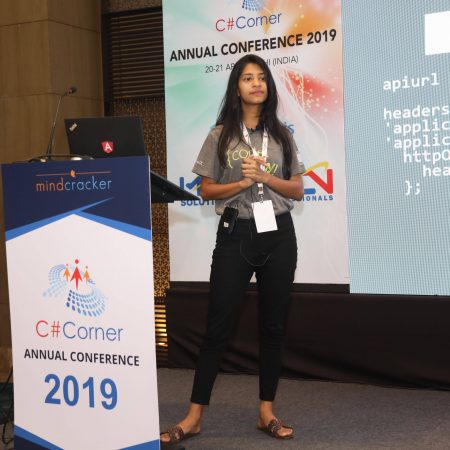
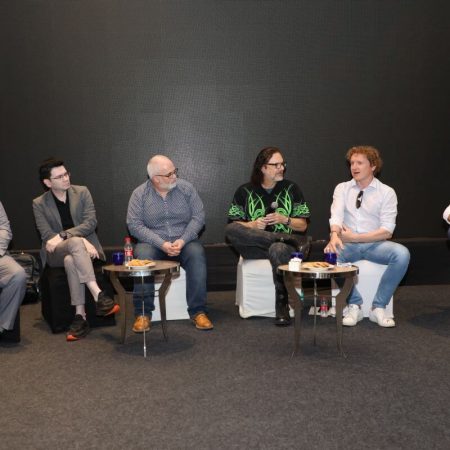
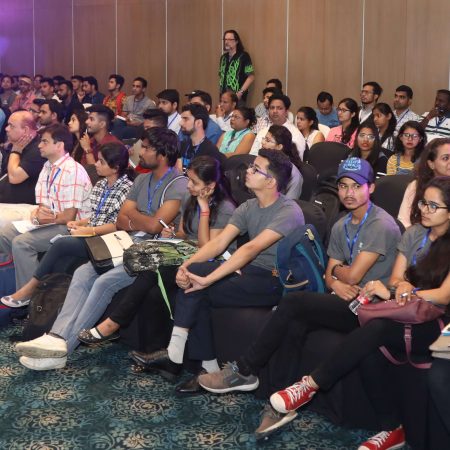
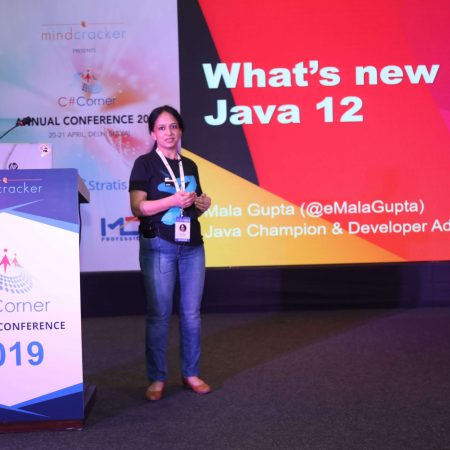
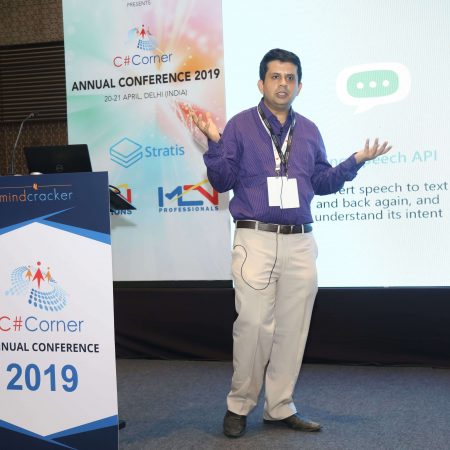
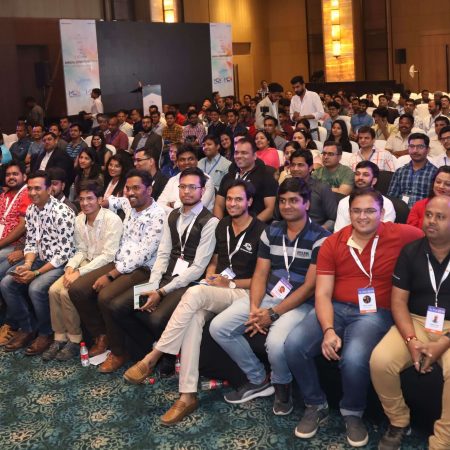
Before diving in, it is worth knowing where developers gather to discuss these patterns face to face. Events such as the C# Corner Annual Conference bring together practitioners who build exactly this kind of integration every day, and the sessions often surface practical lessons you will not find in official documentation.
Why .NET Core Is a Smart Choice for Slack Integrations
.NET Core, now part of the unified .NET platform, delivers a runtime that performs exceptionally well for I/O-bound workloads, which describes exactly what most Slack bots spend their time doing. They sit and wait for incoming webhooks, occasionally call back to Slack, and otherwise consume very little CPU. The platform also runs happily on a modest Linux VM, which appeals to teams based in Brisbane or Adelaide where cloud costs are watched carefully.
Australian teams often run lean. Many startups across the inner suburbs of Sydney, along with scale-ups in Cremorne and Richmond, want to avoid managing Windows servers and Active Directory. ASP.NET Core's cross-platform support and first-class Docker story means you can deploy the same bot to AWS, Azure, or even a Raspberry Pi on someone's desk without touching the source code.
The ecosystem around Slack is also friendly to .NET. Libraries such as SlackNet, the community-maintained Slack SDK, and various NuGet packages provide typed models for blocks, slash commands, and slash command payloads. That removes most of the boilerplate you would otherwise need to wrangle JSON, and it lets you focus on business logic, whether that is approving a leave request, posting a daily standup reminder, or fetching a build status from Azure DevOps.
Outside of libraries, ASP.NET Core's middleware pipeline is ideal for verifying Slack signing secrets, parsing challenge events, and routing slash commands to dedicated handlers. In a country where business hours stretch from Perth across to the east coast, having that routing logic explicit rather than implicit makes troubleshooting far easier for whoever is on call at three in the morning.
Setting Up the Slack App and Connecting With .NET Core
Start by creating a Slack app at api.slack.com and choosing the right scope. For a bot that can read channels and post messages, you will want at minimum the chat:write, commands, and channels:read scopes, alongside the app_mentions:read event subscription. Once you have installed the app into a workspace, keep the Bot User OAuth Token safe and treat it as you would any production credential.
In your .NET project, store the token and signing secret in appsettings.json or, better, in user secrets during development and Azure Key Vault in production. A typical SlackSettings class can bind these values straight from configuration. The Slack API uses HMAC SHA-256 for signing requests, so the signing secret deserves just as much protection as the token itself.
An ASP.NET Core controller scaffold for receiving events usually looks like a single POST endpoint that reads the raw body, recomputes the signature, and short-circuits with a 401 when the signature does not match. This pattern prevents others from posting forged events to your bot and is something every compliance-conscious Australian team will recognise from PCI-DSS audits in the banking sector.
Once the basics work, register your command endpoints under /slack/events and /slack/commands. Slack will challenge the events endpoint during setup, and your code should respond with the challenge value as JSON. That single back-and-forth is enough to confirm to Slack that your bot is alive and reachable from the public internet, even if you are working from a quiet office in Parramatta.
Handling Slash Commands and Events With Clean Architecture
Most useful bots expose at least one slash command, such as /expense, /joke, or /deploy. The convention is to keep each command narrow in scope and let it do one thing well, much like the Unix tools Australian sysadmins have favoured for decades. Inside ASP.NET Core, a SlackCommandController can receive the form-encoded payload and dispatch to the appropriate handler.
One clean approach is to define an ISlackCommandHandler interface with a single HandleAsync method, then register each implementation with dependency injection keyed by command name. This keeps controllers thin and makes commands easy to unit test. For commands that need to respond asynchronously, Slack expects an ack response within three seconds, so kick off any long-running work onto a background queue and post the result back through the Web API later.
The Events API delivers payloads for things like app_mention, message.channels, or reaction_added. A small router can inspect the payload's event.type and route accordingly. For example, when a user mentions your bot in a channel, you might pull the message text, call a sentiment analysis service, and reply with an emoji reaction. For Australian audiences you will find a healthy appetite for dry humour and self-deprecating bot responses, but keep the tone professional when posting to channels used by legal or finance teams.
Do not forget to handle retries. Slack will resend events that do not receive a 2xx response, which can lead to duplicate messages if you are not careful. A simple idempotency check, using the event_id as a key in a short-lived store, is usually sufficient. Redis on Azure Cache works well for this and is cheap to run in the Sydney region for teams that need data residency close to home.
Crafting Rich Messages With Block Kit and Dialogs
Plain text replies work, but Slack's Block Kit turns the conversation into something far more engaging. A well-designed block with a header, a few fields, and action buttons feels like a mini app. In .NET you can build blocks using strongly typed models or anonymous objects, then serialise them with System.Text.Json. Both approaches are valid; the typed models win once your block library grows beyond a handful.
For interactive buttons, the request comes back as a payload to an interactivity URL. Your controller needs to parse that payload, look up the originating user, and decide what to do next, whether that is opening a dialog to collect more information or updating the original message in place. Dialogs are especially handy for structured input such as a leave-request form, an expense claim, or a bug report that needs a short summary and a severity dropdown.
Security is again paramount. Always verify the signing secret on the interactivity payload, and rate-limit your endpoint, because a misbehaving button mash can otherwise flood your service. Slack itself rate-limits outbound API calls, but inbound limits are your responsibility. In production environments such as Australian banks or government departments, the auditor will want to see exactly how you handle that.
Once you are comfortable with Block Kit, you can graduate to the newer Workflow Builder and Steps from Apps APIs. These let non-technical users string together conversations with your bot's endpoints. It opens the door for product managers in your Melbourne office to design workflows without filing a Jira ticket for every small change.
Deploying, Observing and Scaling Across Regions
A single-instance bot works fine for an internal team of a few dozen people, but as soon as it crosses a hundred users you start to feel latency. Hosting on Azure App Service, AWS Elastic Beanstalk, or even Kubernetes on EKS or AKS gives you horizontal scaling with minimal configuration. Pick the region closest to where your users live. For Australia, that means Australia East in Sydney or Australia Southeast in Melbourne for most teams, with cross-region failover if your budget allows.
Observability is what separates a hobby bot from a production one. Wire up OpenTelemetry, push traces to Application Insights or Honeycomb, and add structured logging with Serilog. You will thank yourself the first time a user in Adelaide reports a missing message and you can correlate the request trace in seconds rather than digging through logs.
Secrets rotation deserves a small ritual. Even something as simple as a monthly calendar reminder to rotate the bot token through your CI/CD pipeline will save you from a quiet outage when someone leaves the team. For Australian regulated industries, this is also a chance to satisfy periodic credential refresh requirements without rushing.
Give the bot a proper home in your channel taxonomy, document its commands in a pinned post, and let your team adopt it gradually. The bots that thrive, whether they sit in a small studio in Newtown or a trading floor in Sydney, are the ones that solve a real pain point without demanding too much from the user. Start there, iterate, and share what works with the wider community when you have something worth showing off.









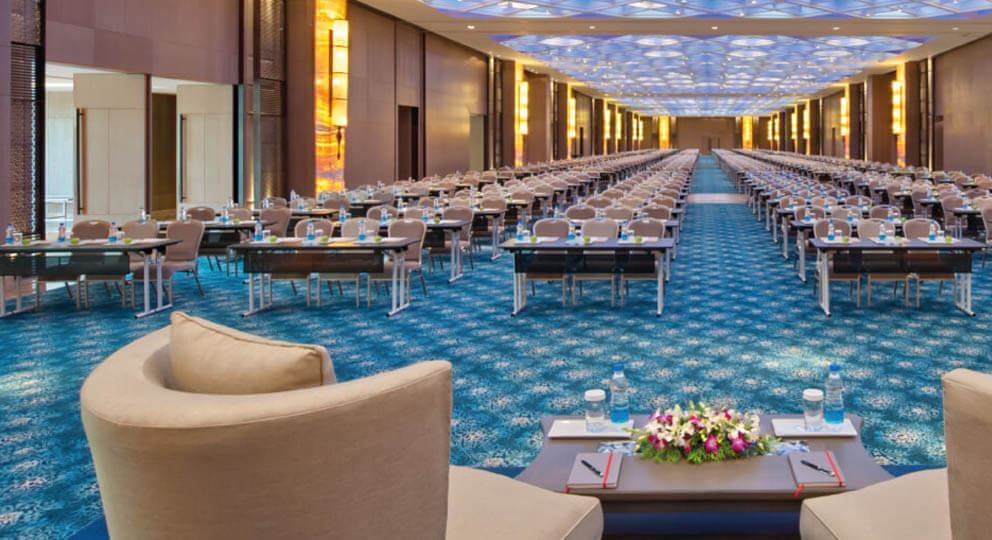
1, CBD, Maharaj Surajmal Road, Near Yamuna Sports Complex, Delhi, 110032




GENERAL QUERIES
Manish Tewatia
manish@csharpcon.com
+91-9718-431-042
TICKET QUERIES
Atul Gupta
conference@csharpcon.com
+91-9910-125-804