

Presents


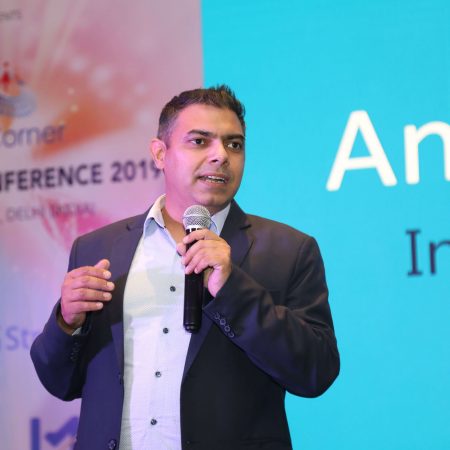
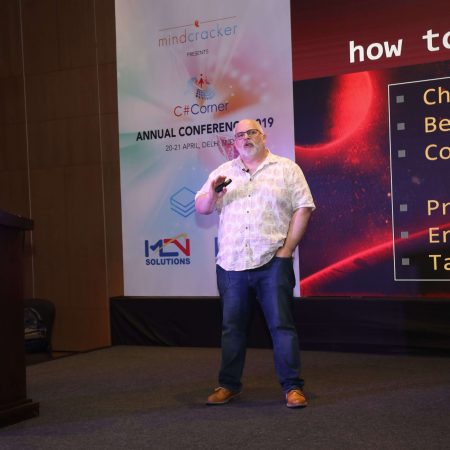
Magnus Mårtensson
Microsoft Regional Director, Azure MVP, CEO Loftysoft
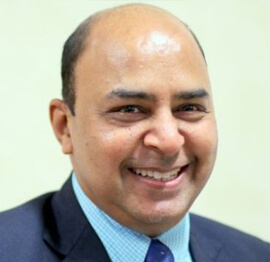
Avirag Jain
Director & CTO R Systems
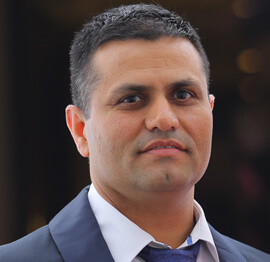
Mahesh Chand
Founder C# Corner, CEO Mindcracker

Chris Gali
CEO & Co-Founder Graphite

Subinder Khurana
Chief Architect StoryProcess, Founder NASSCOM DeepTech Club

Bryan Rishforth
Investor, Chairman Graphite

Bryn Everson
Director Biz Dev Graphite
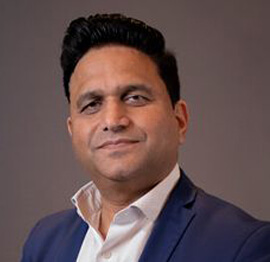
Raj Tiwari
Digital Transformation Leader, Futurist and Visionary
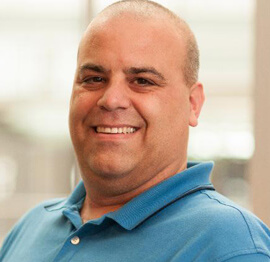
Joseph Guadagno
Microsoft MVP, Lead Quicken Loans

Nikita Sachdev
Entrepreneur, Blockchain Enthusiast & Advisor, Social Media Influencer

Doug Wagner
COO & Founder Adapt Technical Group

Ritesh Modi
Architect, Senior Evangelist, Cloud Architect

Crystal Wenrick
Director Communications Mindcracker

Allen O’Neill
Microsoft MVP, Consulting Engineer/Architect
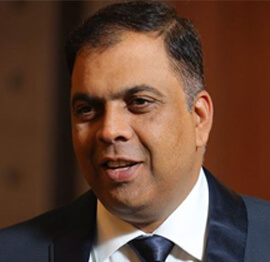
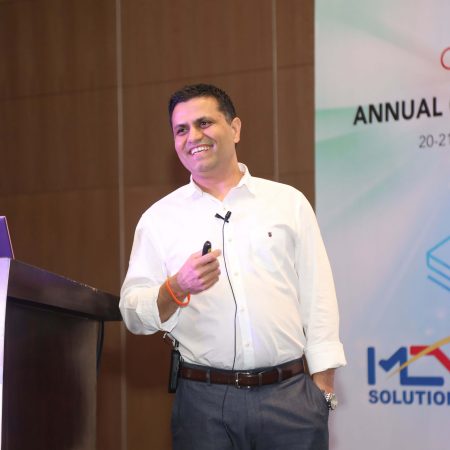
Praveen Kumar
CEO MCN Solutions

Chris Love
Founder Love2Dev, Microsoft MVP, Author

Sanjay Vyas
Microsoft Regional Director, Microsoft MVP, Founder & CEO SkillLabs Technologies
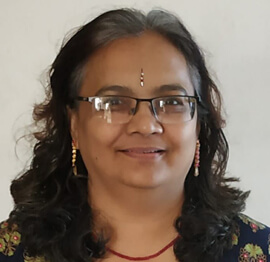
Veena Sarda
Deep Learning Consultant, Author

Sekhar Srinivasan
C# Corner MVP, Microsoft Certified Trainer, Pluralsight Author
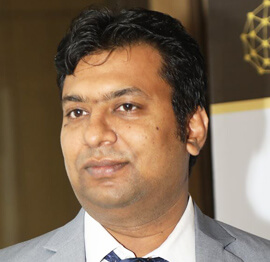
Lalit Bansal
Founder & CEO - EIY SYS
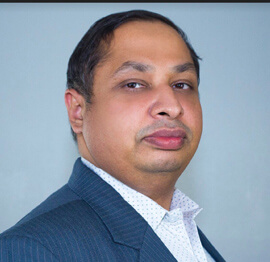
Navdeep Garg
CEO Revinfotech
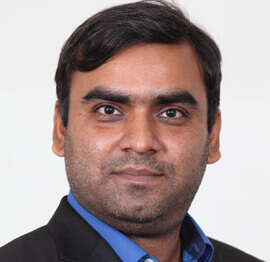
Prakash Tripathi
Tech Manager/Leader, Microsoft MVP, Blogger
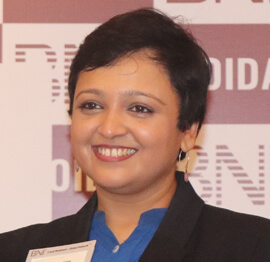
Bhavna Jain
Breakthrough Consultant

Naveen Sharma
Enterprise Architect, Leadership Coach, Author
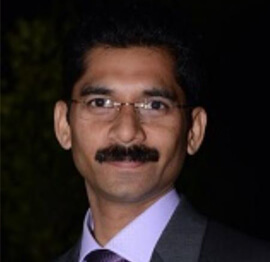
Vidya Vrat Agarwal
Principal Architect, Microsoft MVP, Author

Sheetal Agarwal
Founder Clownselors, Medical Clown, Trainer

Abhishek Kant
Founder GTM Catalyst

Vishnu Saran
Founder & CEO VoiceQube

Sandeep Soni
Founder & CEO Deccansoft, Microsoft Certified Trainer
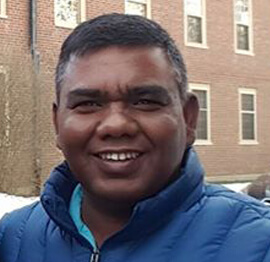
Parveen Malik
AVP InfoSec & Vulnerability Management, Information Security Expert

Nitin Pandit
Microsoft MVP, Developer Evangelist, Author
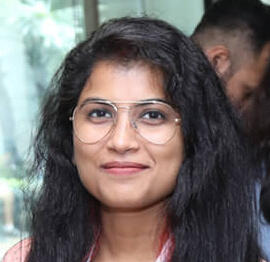
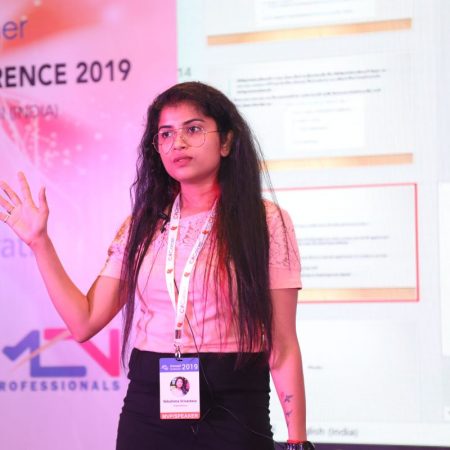
Niloshima Srivastava
C# Corner MVP, Tech Architect, Trainer, Blogger

Bala Chirtsabesan
Senior Software Engineer at Microsoft, Author
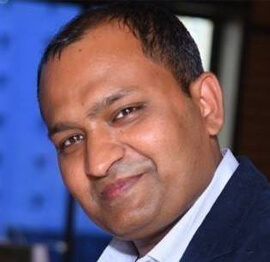
Manoj Mittal
Sr. Technical Architect, C# Corner MVP, Author

Chandni Di
Co-Founder Voice of Slum

Vithal Wadje
Technical Lead, Microsoft MVP, Author

Shivam Ahuja
Founder SkillCircle, Business Mentor

Chervine Bhiwoo
Solution Architect, Microsoft MVP, Author

Saurabh Jain
Vice President Paytm, Founder Fun2Do Labs, Author

Vinay Solanki
Head IoT at Lenovo, Founder IoT-NCR
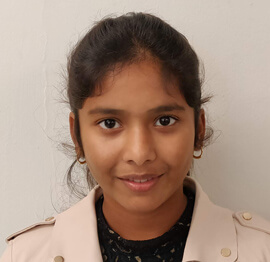
Anshu kumari
Founder Blockchainkids, Inventor, Trainer
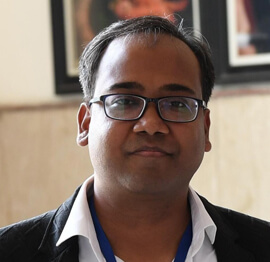
Amit Singal
CEO Startup Buddy
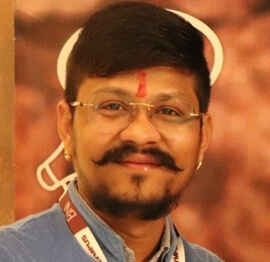
Dev Pratap
Co-Founder & CEO Voice of Slum

Amey Vartak
Technology Consultant, Full Stack Developer, C# Corner MVP, Author

Viswanatha Swamy
Principal Software Engineer, C# Corner MVP, Author
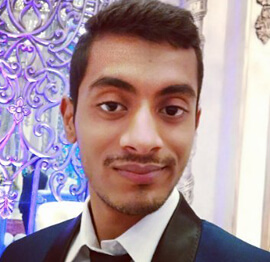
Sanket Verma
Research Engineer @ Ballistics (Forensics) and Chair, PyData Delhi

Sourabh Somani
Lead Developer, Microsoft MVP, Author
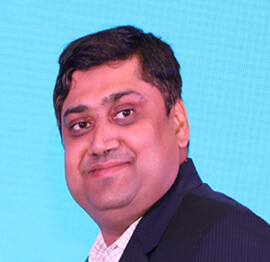
Abhishek Mishra
Software Architect, C# Corner MVP, Author

Siddharth Vaghasia
Technical Consultant, C# Corner MVP, Blogger
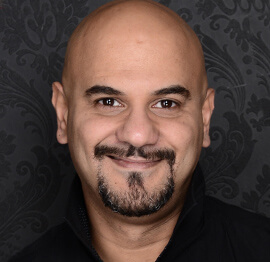
Bassam Alugili
Senior Software Specialist, Database Expert

S Ravi Kumar
Solution Architect, C# Corner MVP, Author

Sundaram Subramanian
Full Stack Developer, C# Corner MVP, Speaker
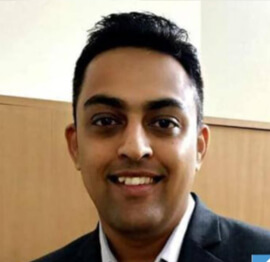
Deepesh Somani
Solution Architect, Microsoft MVP, Author

Debasis Saha
Technical Project Manager, C# Corner MVP, Blogger, Author
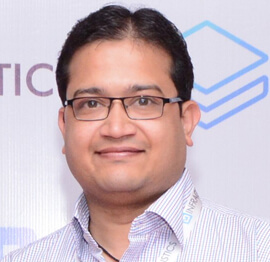
Vipul Jain
Software Architect, C# Corner MVP, Author

Akshay Patel
Technical Architect, Microsoft Certified Trainer, C# Corner MVP, Author

Stephen Simon
RPA Developer, Evangelist, Author
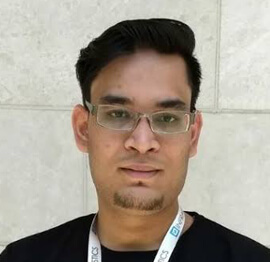
Vivek Sharma
Founder Kingster636, AR/VR Specialist

Jeetendra Gund
Technical Lead, C# Corner MVP, Author
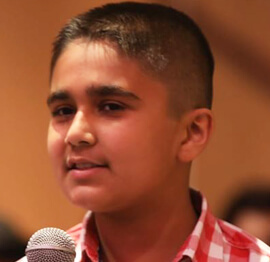
Sujal Beniwal
AI Enthusiast, Student

M Viknaraj
Microsoft MVP, Azure Architect, Author

Prasham Sabadra
Software Architect, C# Corner MVP, Trainer, Author

Aakash Maurya
Senior Developer, C# Corner MVP, Speaker

Ankit Sharma
Senior Software Engineer, C# Corner MVP, Author

Mangesh Gaherwar
Team Lead, C# Corner MVP, Author

Viral Jain
Technical Consultant, C# Corner MVP, Author
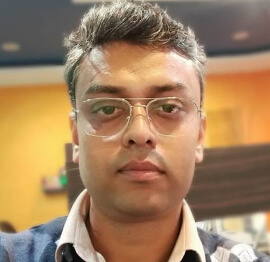
Bhasker Das
Solution Architect, Evangelist

Manish Dwivedi
Associate Project Manager

Ck Nitin
Programmer, Author

Rohit Gupta
Technical Trainer, Author
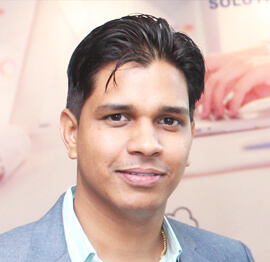
Manish Tewatia
Full-stack Marketer, UX Designer

Bhavya Gaur
Technical Illustrator
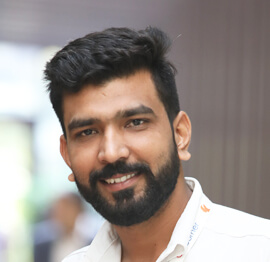
Rohit Tomar
SEO/SMO Expert
Web Track
Cloud & Data Track
Dev Track
Registration & Breakfast
Future of Desktop Apps with JS (ElectronJs)
Nitin Pandit
Building Serverless Microservices Using Microsoft Azure
Vithal Wadje
Innovating RPA: A Robot for Every Person
Stephen Simon
Managing Cloud Storage Accounts using Logic Apps
Viknaraj Manogararajah
Data visualization using Python
Sekhar Srinivasan
Going Cross platform with AR Foundation
Vivek Sharma
Keynote
Managing your Azure dependencies in ASP.NET Core apps using VS
Bala Chirtsabesan
Securing Applications on Intelligent Azure
Abhishek Mishra
Getting started with Blazor the Framework of Future
S Ravi Kumar
Lunch
Build Progressive Web Apps using Angular 9
Debasis Saha
Build and deploy to any platform using Azure DevOps
Chervine Bhiwoo
Deep Dive in Azure Service Bus
Akshay Patel
Build a Native Mobile Application using React Native and JavaScript
Joseph Guadagno
Making sense of Web Job, Web Job SDK and Functions in Azure
Prakash Tripathi
CloudFront Distribution in AWS
Viral Jain
Tea Break
Introduction to PowerBI
Aakash Maurya
Build Advanced SPFx solutions with React and Graph API
Siddharth Vaghasia
Build Business Intelligence Analyst (BIA) Skills
Sundaram Subramanian
Deep dive of Power Platform – AI BUILDER
Prasham Sabadra
Panel 1
What's new in SharePoint development
Vipul Jain
Build a SSO (Single Sign On) based Native JavaScript application with Microsoft Identity within 10 minutes
Manoj Mittal
Panel 2
Applications and working of AI
Veena Sarda
Deploying serverless API's with .Net core 3.0 on AWS & Azure
Amey Vartak
Panel 3
Blockchain with .NET Core (Ark)
Anshu Kumari
Closing Note & Prize Distribution
Dev Track
Cloud Track
Architecture Track
Emerging Tech Track
Registration & Breakfast
Creating Full-Stack Web Apps Using Server-Side Blazor
Ankit Sharma
Real time face recognition with MS Cognitive Services
Niloshima Srivastava
Building Scalable APIs with GraphQL
Jeetendra Gund
Future of development with AI and Blockchain
Navdeep Garg
Debugging Tips and Tricks with Visual Studio 2019
Joseph Guadagno
Azure Containers
Abhishek Kant
Enterprise Architecture
Naveen Sharma
Bot Framework - learn it fast and look like a boss!
Allen O’Neill
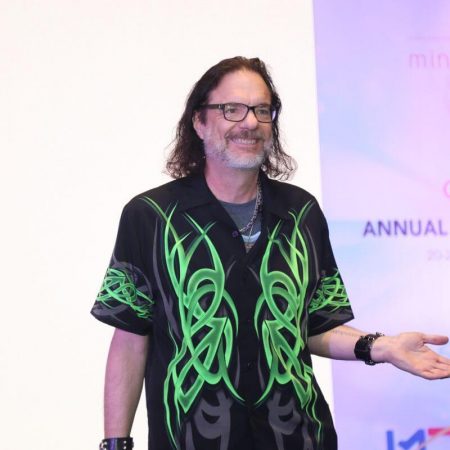
Keynote
.Net Core & C# 8 Performance
David McCarter
Working with Azure kubernetes services
Ritesh Modi
Becoming an Architect
Vidyavrat Agarwal
Why Techies Need to Learn Product Management
Saurabh Jain
Lunch
Build a rules engine in .Net Core
Sanjay Vyas
Building CI and CD Pipeline using Azure DevOps
Sandeep Soni
Entity Framework Core - Tips and Tricks, Performance Optimization, and Tuning
Bassam Alugili
Hacking your way into Data Science
Sanket Verma
Speed up your .Net Core Website
Sourabh Somani
Azure
Magnus Mårtensson
Demystifying Open Distro for Elasticsearch
Suman Debnath
Future of Data
Shivam Ahuja
Tea Break
gRPC with C# and .Net Core
Mangesh Gaherwar
Panel 1
Essentials of Cloud security
Parveen Malik
Power platform and Dynamics 365
Deepesh Somani
Microservices - the gRPC Way
Viswanatha Swamy
Panel 2
Reserved
Reserved
Closing Note & Prize Distribution
a Chatbot with Bot Framework and LUIS in C#
Chatbots have quietly become a frontline channel for Australian organisations, from the ATO's virtual assistant answering tax questions on myGov to Sydney-based neobanks fielding card queries at 3am AEST. For teams already inside the .NET ecosystem, the Microsoft Bot Framework paired with Language Understanding Intelligent Service (LUIS) offers a mature path to building these conversational experiences in C#. The combination has powered customer-service bots for retailers in Melbourne, telehealth intake bots in Brisbane, and internal HR assistants for mining companies operating across Western Australia.
This walkthrough moves from intent design through to deployment on Azure's Australian regions. You will see how to model natural-language inputs, structure multi-turn dialogs, and dispatch background work that survives bot restarts without losing messages. The aim is a production-grade bot you can extend with channels such as Microsoft Teams, Web Chat, or a Twilio SMS gateway for regional customers who prefer texting over web chat.
| Aspect | WaterfallDialog | AdaptiveDialog | ComponentDialog |
|---|---|---|---|
| Introduced in SDK | 3.x | 4.6+ | 3.x |
| Control flow style | Linear steps | Declarative, branching | Nested sub-dialogs |
| Language generation | Static strings | LG templates | Static strings |
| Built-in recognizer hook | Manual wiring | First-class | Manual wiring |
| Best fit | Simple Q&A flows | Dynamic, condition-driven bots | Reusable dialog libraries |
Modelling conversations for Australian users
Before a single line of C# is written, the conversational surface needs careful modelling. Australian users bring their own quirks: they say "G'day", they abbreviate "arvo" for afternoon, and they expect dates in dd/mm/yyyy rather than the American default. Bot responses that ignore those conventions instantly feel foreign, so seed your utterance list with local phrasing from day one. A coffee-ordering bot in Surry Hills, for instance, should accept "Can I grab a flat white for brekkie?" with the same confidence as a textbook "I would like one coffee please".
Domain mapping matters just as much. Public-sector bots tied to Services Australia or state health authorities must respect the Privacy Act 1988 and the Notifiable Data Breaches scheme, which means personally identifiable information should not be persisted in dialog state any longer than necessary. A small architectural habit that pays off later is to treat the bot as a thin orchestrator: collect the minimum required fields, hand them to a downstream service over an authenticated channel, then let the conversation end. That separation also makes it far easier to swap LUIS for a newer Azure Cognitive Service for Language model without rewriting the dialog layer.
Sketching a sample flow for a fictional Brisbane-based veterinary clinic illustrates the pattern. The bot greets the user, asks for the pet's name, captures the reason for the visit, offers the next three available appointment slots, and confirms. Each step is a discrete piece of state, each transition is explicit, and each utterance is logged for later review. That last point is more than housekeeping: under the Notifiable Data Breaches scheme, organisations must be able to reconstruct what data the bot handled during an incident.
Designing the LUIS language model
LUIS turns free-form text into structured intent and entity data, and the quality of that mapping is the single biggest determinant of how smart the bot feels. Start by enumerating intents that map to real business actions rather than abstract categories: BookAppointment, CheckOrderStatus, SpeakToHuman, CancelBooking, and Greeting will outperform a fuzzy bucket called GeneralQuery every time. Aim for fifteen to twenty representative utterances per intent, drawn from real customer transcripts where possible, and balance them across the intents so the recogniser does not over-fit to one pattern.
Entities give the dialog memory. DatetimeV2 captures "next Tuesday arvo" and resolves it to a real ISO timestamp, geographyV2 handles state and suburb names ("QLD", "Camberwell"), and built-in number and ordinal entities cover quantity questions. For domain-specific concepts such as product SKUs or policy numbers, define a closed-list entity or a regex entity so the recogniser does not guess wildly when the input is malformed. Phrase lists are useful for boosting relevance of trade-specific vocabulary; a real-estate bot operating in Sydney and the Central Coast, for example, would benefit from a phrase list containing "strata", "off-the-plan", and "covenant".
Training and publishing happen inside the LUIS portal or the luis CLI, and the resulting app ID plus prediction key slot into the bot configuration. A pragmatic habit is to keep a JSON export of the trained version in source control alongside the C# project, so a regression in the language model can be traced back to a specific commit. Equally important is the test pane: feed it the same edge cases your dialog handles poorly, and iterate until the top-scoring intent is the right one at least nine times out of ten.
Building the bot in C# with the Bot Framework SDK
With the language model ready, the C# side becomes a matter of wiring up the SDK. A typical project starts with dotnet new web and a handful of NuGet packages: Microsoft.Bot.Builder, Microsoft.Bot.Builder.Integration.AspNet.Core, Microsoft.Bot.Builder.Dialogs, and the recognizer adapter for LUIS. The Startup.ConfigureServices method registers the bot, the adapter, and a storage layer for conversation state, with a MemoryStorage swap-out for production deployments that point at Cosmos DB or Azure Blob Storage hosted in the Australia East region.
Each incoming Activity flows through middleware before reaching the dialog stack. A transcript logger, a telemetry client that pipes into Application Insights, and a custom middleware that redacts obvious PII patterns are sensible additions. The main turn handler reads the recognised intent from turnContext.RecognizedResult, switches on the top-scoring intent, and either continues the active dialog or starts a new one. AdaptiveDialogs, configured through a .dialog file or programmatically, allow declarative branching with conditions, repeating dialogs, and even cancel-on-ambiguity rules that suit Australian phone-keypad inputs.
Code that listens to OnMessageActivityAsync tends to look deceptively simple, which is a feature rather than a bug. The heavy lifting happens inside the dialog definitions, and a well-structured bot has very little imperative flow in the turn handler. For developers coming from a Melbourne or Adelaide consultancy background where maintainability audits are common, that separation is valuable: a junior can tweak a dialog file without touching the orchestration code, and the orchestration code can be unit-tested without spinning up the full bot runtime.
Handling reliable workflows and background events
Conversational front ends are only half the story. Once the bot has captured an order number, a callback request, or a clinical referral, it almost always needs to publish that information to a downstream service such as an order management system, a CRM, or an event bus. That handoff is where reliability problems creep in. The bot may be recycled between the moment it validates the user's input and the moment it posts the event, and the network call itself can fail in ways the user never sees. A bot that silently drops a message is worse than no bot at all, because the customer believes action has been taken when it has not.
The accepted solution in distributed systems is the transactional outbox pattern, and the same shape applies cleanly inside a Bot Framework solution. Instead of writing directly to the downstream API, the dialog persists an "outbox" record to the same storage transaction that commits the conversation state. A background worker, hosted as an IHostedService inside the same ASP.NET Core process or deployed as an Azure WebJob, drains pending records and publishes them with at-least-once semantics, marking each as sent only after the downstream service acknowledges. A practical walkthrough of outbox pattern for events is available for the .NET side of that pipeline, and the same approach slots directly into bot telemetry. Adding a correlation identifier to each outbox record also makes end-to-end tracing across bot, queue, and consumer trivial when something goes wrong at 2am in a Perth call centre.
Telemetry closes the loop. Every dialog turn should emit a custom event with the intent name, the confidence score, and the duration of the step, while the outbox worker reports publish success and failure counts. With Application Insights wired up to a workspace in Australia East, that data stays inside Australian borders, which keeps the architecture compatible with the data-residency expectations of many local enterprises.
Deploying to Azure and meeting Australian compliance
Deployment is the last mile and the one most likely to derail a project if it is left until the end. Azure offers two Australian regions relevant to this workload: Australia East, hosted in Sydney, and Australia Southeast, hosted in Melbourne. Most teams provision their Bot Channels Registration or the newer Azure Bot resource in Australia East to keep latency low for users in NSW, Victoria, and Tasmania, with paired-region failover into Melbourne for resilience. Channel configuration lives in the Azure portal and supports Teams, Web Chat, Direct Line, Facebook Messenger, and SMS gateways via Twilio or MessageBird for customers in the Pilbara or far north Queensland.
Australian compliance obligations shape a few concrete choices. Government agencies subject to the Australian Government Hosting Strategy should validate that their chosen region holds an IRAP-assessed status before going live. Private-sector operators fall under the Privacy Act 1988, which means conversation logs containing identifiable information must be encrypted at rest and retained only as long as a documented purpose requires. Application Insights can be configured with customer-managed keys stored in Azure Key Vault, and the bot's MemoryStorage swap-out should point at a Cosmos DB account with both the encryption policy and the appropriate virtual-network rules in place. The Australian Signals Directorate's Essential Eight maturity model is another useful yardstick: bots that accept external user input sit on the application-control list, and applying standard mitigation patterns during build keeps a later ASD audit straightforward.
A practical rollout path is to deploy the bot to a staging slot in Australia East, run a small set of scripted conversations through the Test in Web Chat blade, then promote to production with a deployment slot swap. From there, the channels you publish to determine who can reach the bot, and the LUIS endpoint key registered with the bot determines how much traffic it can absorb. Keep an eye on the LUIS usage dashboard during the first week, because real traffic tends to surface utterance variations the test pane never imagined, and a short tuning cycle usually lifts recognition accuracy from the low nineties into the high nineties within a fortnight.







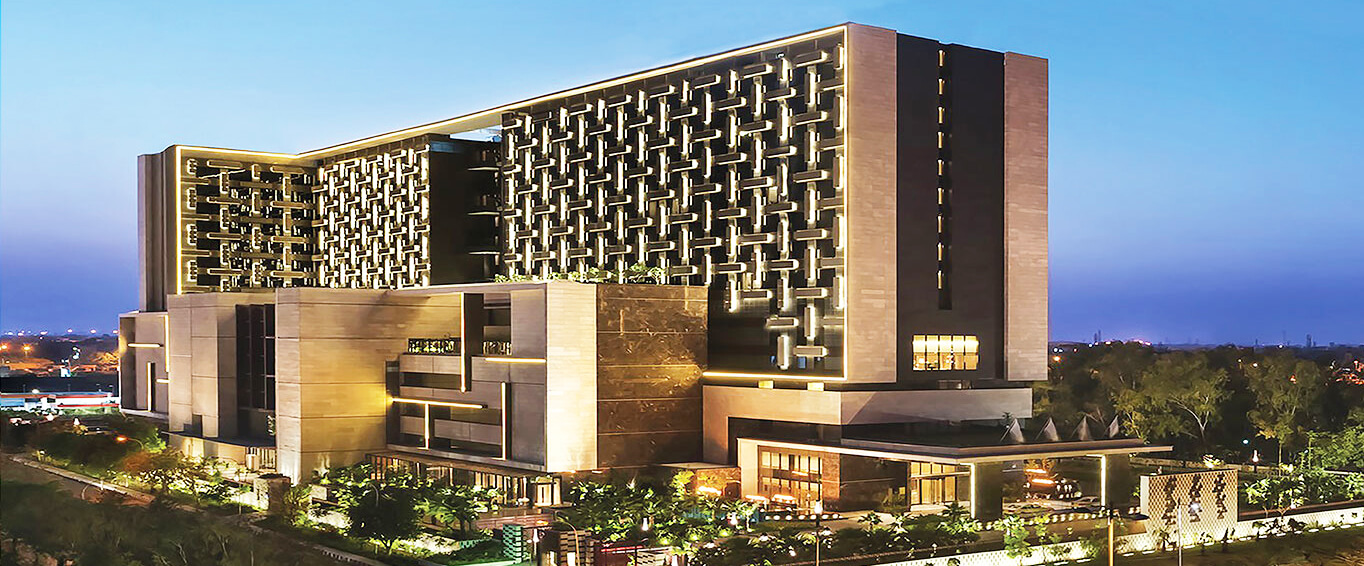
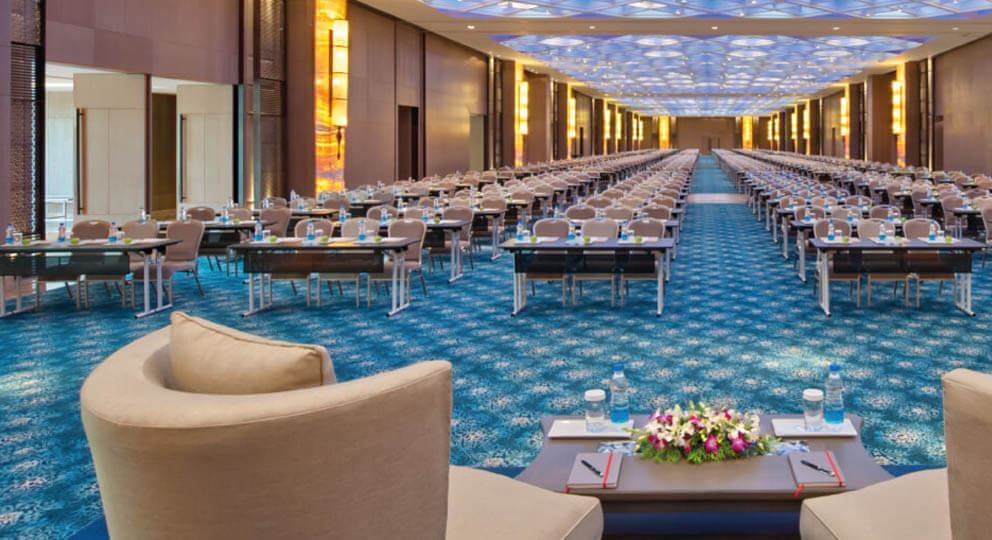
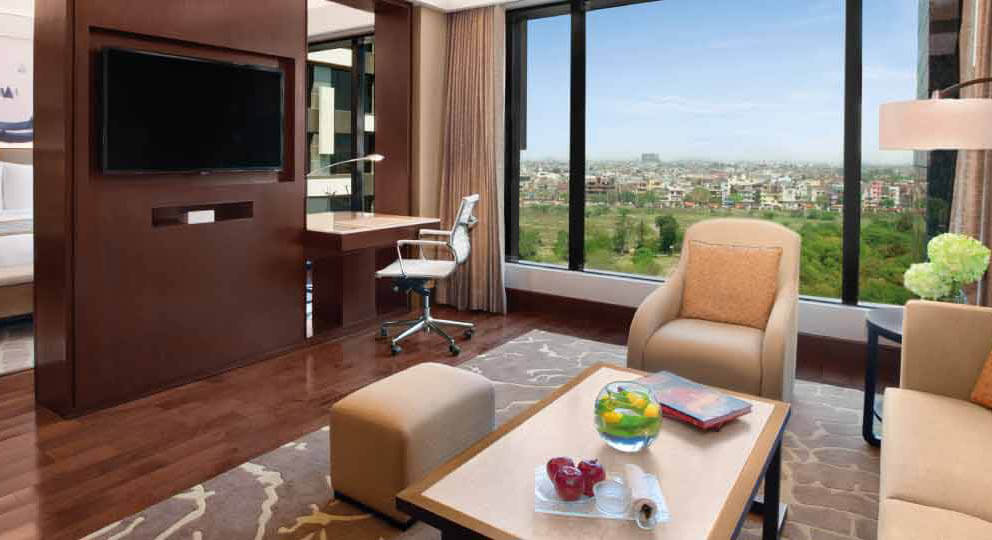
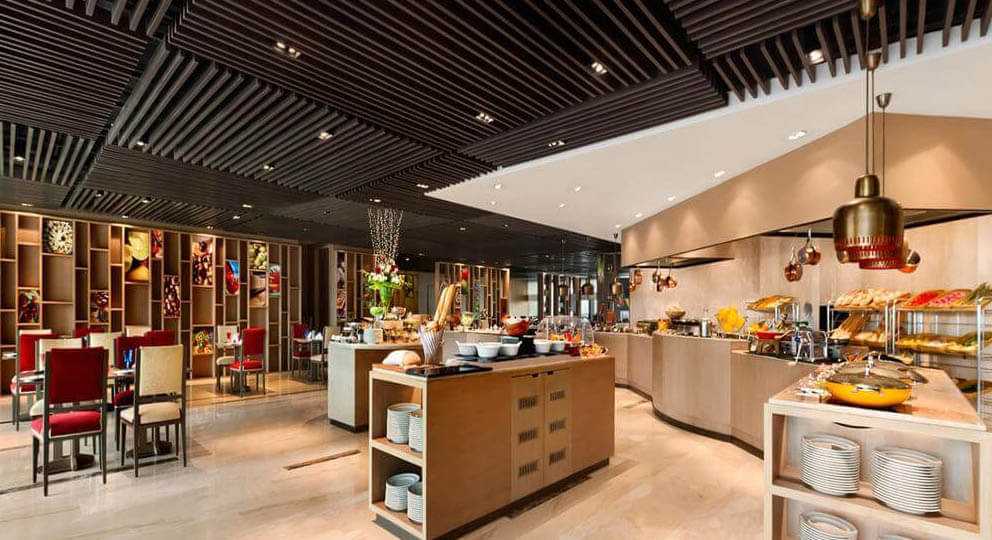
1, CBD, Maharaj Surajmal Road, Near Yamuna Sports Complex, Delhi, 110032

GENERAL QUERIES
Manish Tewatia
manish@csharpcon.com
+91-9718-431-042
TICKET QUERIES
Atul Gupta
conference@csharpcon.com
+91-9910-125-804