

Presents


Magnus Mårtensson
Microsoft Regional Director, Azure MVP, CEO Loftysoft

Avirag Jain
Director & CTO R Systems

Mahesh Chand
Founder C# Corner, CEO Mindcracker

Chris Gali
CEO & Co-Founder Graphite

Subinder Khurana
Chief Architect StoryProcess, Founder NASSCOM DeepTech Club

Bryan Rishforth
Investor, Chairman Graphite

Bryn Everson
Director Biz Dev Graphite

Raj Tiwari
Digital Transformation Leader, Futurist and Visionary

Joseph Guadagno
Microsoft MVP, Lead Quicken Loans

Nikita Sachdev
Entrepreneur, Blockchain Enthusiast & Advisor, Social Media Influencer

Doug Wagner
COO & Founder Adapt Technical Group

Ritesh Modi
Architect, Senior Evangelist, Cloud Architect

Crystal Wenrick
Director Communications Mindcracker

Allen O’Neill
Microsoft MVP, Consulting Engineer/Architect

Praveen Kumar
CEO MCN Solutions

Chris Love
Founder Love2Dev, Microsoft MVP, Author

Sanjay Vyas
Microsoft Regional Director, Microsoft MVP, Founder & CEO SkillLabs Technologies

Veena Sarda
Deep Learning Consultant, Author

Sekhar Srinivasan
C# Corner MVP, Microsoft Certified Trainer, Pluralsight Author

Lalit Bansal
Founder & CEO - EIY SYS

Navdeep Garg
CEO Revinfotech

Prakash Tripathi
Tech Manager/Leader, Microsoft MVP, Blogger

Bhavna Jain
Breakthrough Consultant

Naveen Sharma
Enterprise Architect, Leadership Coach, Author

Vidya Vrat Agarwal
Principal Architect, Microsoft MVP, Author

Sheetal Agarwal
Founder Clownselors, Medical Clown, Trainer

Abhishek Kant
Founder GTM Catalyst

Vishnu Saran
Founder & CEO VoiceQube

Sandeep Soni
Founder & CEO Deccansoft, Microsoft Certified Trainer

Parveen Malik
AVP InfoSec & Vulnerability Management, Information Security Expert

Nitin Pandit
Microsoft MVP, Developer Evangelist, Author

Niloshima Srivastava
C# Corner MVP, Tech Architect, Trainer, Blogger

Bala Chirtsabesan
Senior Software Engineer at Microsoft, Author

Manoj Mittal
Sr. Technical Architect, C# Corner MVP, Author

Chandni Di
Co-Founder Voice of Slum

Vithal Wadje
Technical Lead, Microsoft MVP, Author

Shivam Ahuja
Founder SkillCircle, Business Mentor

Chervine Bhiwoo
Solution Architect, Microsoft MVP, Author

Saurabh Jain
Vice President Paytm, Founder Fun2Do Labs, Author

Vinay Solanki
Head IoT at Lenovo, Founder IoT-NCR

Anshu kumari
Founder Blockchainkids, Inventor, Trainer

Amit Singal
CEO Startup Buddy

Dev Pratap
Co-Founder & CEO Voice of Slum

Amey Vartak
Technology Consultant, Full Stack Developer, C# Corner MVP, Author

Viswanatha Swamy
Principal Software Engineer, C# Corner MVP, Author

Sanket Verma
Research Engineer @ Ballistics (Forensics) and Chair, PyData Delhi

Sourabh Somani
Lead Developer, Microsoft MVP, Author

Abhishek Mishra
Software Architect, C# Corner MVP, Author

Siddharth Vaghasia
Technical Consultant, C# Corner MVP, Blogger

Bassam Alugili
Senior Software Specialist, Database Expert

S Ravi Kumar
Solution Architect, C# Corner MVP, Author

Sundaram Subramanian
Full Stack Developer, C# Corner MVP, Speaker

Deepesh Somani
Solution Architect, Microsoft MVP, Author

Debasis Saha
Technical Project Manager, C# Corner MVP, Blogger, Author

Vipul Jain
Software Architect, C# Corner MVP, Author

Akshay Patel
Technical Architect, Microsoft Certified Trainer, C# Corner MVP, Author

Stephen Simon
RPA Developer, Evangelist, Author

Vivek Sharma
Founder Kingster636, AR/VR Specialist

Jeetendra Gund
Technical Lead, C# Corner MVP, Author

Sujal Beniwal
AI Enthusiast, Student

M Viknaraj
Microsoft MVP, Azure Architect, Author

Prasham Sabadra
Software Architect, C# Corner MVP, Trainer, Author

Aakash Maurya
Senior Developer, C# Corner MVP, Speaker

Ankit Sharma
Senior Software Engineer, C# Corner MVP, Author

Mangesh Gaherwar
Team Lead, C# Corner MVP, Author

Viral Jain
Technical Consultant, C# Corner MVP, Author

Bhasker Das
Solution Architect, Evangelist

Manish Dwivedi
Associate Project Manager

Ck Nitin
Programmer, Author

Rohit Gupta
Technical Trainer, Author

Manish Tewatia
Full-stack Marketer, UX Designer

Bhavya Gaur
Technical Illustrator

Rohit Tomar
SEO/SMO Expert
Web Track
Cloud & Data Track
Dev Track
Registration & Breakfast
Future of Desktop Apps with JS (ElectronJs)
Nitin Pandit
Building Serverless Microservices Using Microsoft Azure
Vithal Wadje
Innovating RPA: A Robot for Every Person
Stephen Simon
Managing Cloud Storage Accounts using Logic Apps
Viknaraj Manogararajah
Data visualization using Python
Sekhar Srinivasan
Going Cross platform with AR Foundation
Vivek Sharma
Keynote
Managing your Azure dependencies in ASP.NET Core apps using VS
Bala Chirtsabesan
Securing Applications on Intelligent Azure
Abhishek Mishra
Getting started with Blazor the Framework of Future
S Ravi Kumar
Lunch
Build Progressive Web Apps using Angular 9
Debasis Saha
Build and deploy to any platform using Azure DevOps
Chervine Bhiwoo
Deep Dive in Azure Service Bus
Akshay Patel
Build a Native Mobile Application using React Native and JavaScript
Joseph Guadagno
Making sense of Web Job, Web Job SDK and Functions in Azure
Prakash Tripathi
CloudFront Distribution in AWS
Viral Jain
Tea Break
Introduction to PowerBI
Aakash Maurya
Build Advanced SPFx solutions with React and Graph API
Siddharth Vaghasia
Build Business Intelligence Analyst (BIA) Skills
Sundaram Subramanian
Deep dive of Power Platform – AI BUILDER
Prasham Sabadra
Panel 1
What's new in SharePoint development
Vipul Jain
Build a SSO (Single Sign On) based Native JavaScript application with Microsoft Identity within 10 minutes
Manoj Mittal
Panel 2
Applications and working of AI
Veena Sarda
Deploying serverless API's with .Net core 3.0 on AWS & Azure
Amey Vartak
Panel 3
Blockchain with .NET Core (Ark)
Anshu Kumari
Closing Note & Prize Distribution
Dev Track
Cloud Track
Architecture Track
Emerging Tech Track
Registration & Breakfast
Creating Full-Stack Web Apps Using Server-Side Blazor
Ankit Sharma
Real time face recognition with MS Cognitive Services
Niloshima Srivastava
Building Scalable APIs with GraphQL
Jeetendra Gund
Future of development with AI and Blockchain
Navdeep Garg
Debugging Tips and Tricks with Visual Studio 2019
Joseph Guadagno
Azure Containers
Abhishek Kant
Enterprise Architecture
Naveen Sharma
Bot Framework - learn it fast and look like a boss!
Allen O’Neill
Keynote
.Net Core & C# 8 Performance
David McCarter
Working with Azure kubernetes services
Ritesh Modi
Becoming an Architect
Vidyavrat Agarwal
Why Techies Need to Learn Product Management
Saurabh Jain
Lunch
Build a rules engine in .Net Core
Sanjay Vyas
Building CI and CD Pipeline using Azure DevOps
Sandeep Soni
Entity Framework Core - Tips and Tricks, Performance Optimization, and Tuning
Bassam Alugili
Hacking your way into Data Science
Sanket Verma
Speed up your .Net Core Website
Sourabh Somani
Azure
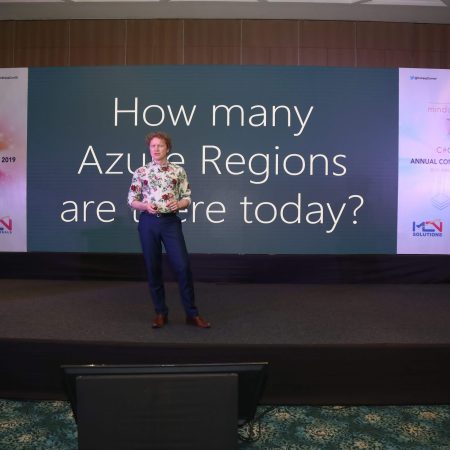
Magnus Mårtensson
Demystifying Open Distro for Elasticsearch
Suman Debnath
Future of Data
Shivam Ahuja
Tea Break
gRPC with C# and .Net Core
Mangesh Gaherwar
Panel 1
Essentials of Cloud security
Parveen Malik
Power platform and Dynamics 365
Deepesh Somani
Microservices - the gRPC Way
Viswanatha Swamy
Panel 2
Reserved
Reserved
Closing Note & Prize Distribution
Using Azure Front Door for Global Web Application Delivery
A web application may be hosted in one Azure region, yet its users can be distributed across continents. Sending every request directly to a single data center increases latency, makes regional failures more visible, and places unnecessary pressure on the application servers. Azure Front Door addresses this problem by providing a globally distributed entry point for web traffic.
Front Door combines edge delivery, intelligent routing, health monitoring, TLS termination, and web application security. It can accelerate websites, APIs, and cloud-hosted applications while directing users to an appropriate backend. For development teams working with Microsoft Azure, it offers a practical way to improve responsiveness without redesigning the entire application.
The service is especially relevant to architects and developers evaluating cloud networking, Azure deployment patterns, DevOps automation, and application reliability. Its value comes from how these capabilities work together: traffic is accepted close to the user, evaluated against routing rules, and forwarded to a healthy origin over an optimized network path.
What Azure Front Door contributes
Azure Front Door is a global application delivery service operating at Layer 7 of the network stack. It understands HTTP and HTTPS requests, which allows it to make decisions based on hostnames, URL paths, headers, cookies, and other web properties. This is different from a basic DNS service or a regional load balancer that may have less awareness of application traffic.
The service places Microsoft-managed points of presence near users around the world. A request first reaches an edge location, where Front Door can terminate the client’s TLS connection, apply security policies, serve cached content, and select an origin. Static files such as images, JavaScript, stylesheets, and fonts can be delivered from an edge cache rather than fetched repeatedly from the application environment.
Dynamic requests still travel to an origin, but Front Door can select the best available backend according to latency, priority, weights, and health status. Origins may include Azure App Service, Azure Kubernetes Service, Azure Virtual Machines, Azure Storage, or a publicly reachable application hosted elsewhere. This gives teams a consistent global endpoint even when their backend architecture changes.
How global routing works
A Front Door profile typically contains endpoints, origin groups, routes, and rules. An endpoint provides the public hostname, while an origin group represents one or more backend destinations. Routes map incoming requests to an origin group and can define accepted protocols, domains, URL patterns, caching behavior, and forwarding rules.
Health probes continuously test the availability of configured origins. A probe may request a lightweight health path and evaluate the response status, interval, and timeout settings. If an origin fails repeated checks, Front Door removes it from normal traffic distribution until it becomes healthy again. A carefully designed health endpoint should verify meaningful application dependencies without performing expensive operations.
Routing decisions can support active-active or active-passive deployments. In an active-active design, multiple regions serve traffic simultaneously, with weights or latency-based behavior influencing distribution. In an active-passive design, one region handles normal requests while another remains ready for failover. The right choice depends on data replication, session management, deployment maturity, and recovery objectives.
A global entry point does not automatically solve application-state problems. User sessions, shopping carts, files, and database writes must be designed for regional operation. Teams may use distributed caches, replicated databases, stateless authentication tokens, or controlled session affinity where necessary. Front Door can improve traffic routing, but it cannot make a single-region database globally resilient by itself.
Selecting the appropriate delivery capabilities
Azure Front Door is available in service tiers that differ in security, routing, caching, and operational features. Standard capabilities can suit applications requiring global routing and content acceleration, while Premium capabilities are intended for more advanced security controls and enterprise integration. Exact pricing and feature availability should be checked against the current Azure service documentation.
| Capability | Standard tier | Premium tier | Typical value |
|---|---|---|---|
| Global Layer 7 routing | Available | Available | Directs requests to suitable origins |
| Anycast edge presence | Available | Available | Reduces distance to the client connection |
| Caching and compression | Available | Available | Accelerates static and cacheable content |
| Health probes and failover | Available | Available | Removes unhealthy origins from routing |
| Web application firewall | Core protection | Advanced protection options | Blocks common web attacks at the edge |
| Private origin connectivity | Limited design options | Stronger private access patterns | Reduces public exposure of backend services |
| Centralized policy management | Standard controls | Expanded security and governance | Supports larger enterprise environments |
Caching should be configured with care. A cacheable resource needs predictable content, suitable cache-control headers, and a clear invalidation strategy. Public assets with versioned filenames are excellent candidates because a new filename can represent each release. Personalized HTML, account pages, and responses containing private data should generally bypass shared caching.
Compression can reduce payload size, but it should be evaluated alongside application behavior and content type. Front Door can help deliver compressed resources, while a build pipeline can reduce JavaScript bundles, optimize images, and remove unused code before deployment. Edge delivery is most effective when the application itself produces efficient responses.
Securing the edge and origin
Front Door provides a strong place to enforce HTTPS, manage certificates, and apply web application firewall policies. A WAF can inspect requests for common threats such as SQL injection, cross-site scripting, malicious scanners, and protocol abuse. Managed rule sets offer a baseline, but they should be tuned to the application so legitimate requests are not blocked by overly broad rules.
Security teams should use detection mode during initial testing, review logs, and then move toward prevention when confidence is established. Custom rules can restrict suspicious IP ranges, enforce request-rate limits, block unexpected methods, or protect sensitive paths. WAF policies should be treated as part of a broader security program that includes secure coding, identity controls, patching, secrets management, and monitoring.
The origin should trust traffic only from approved paths whenever possible. Access restrictions, private connectivity, network controls, and origin authentication can prevent users from bypassing Front Door and reaching a backend directly. If an application exposes a public origin hostname, attackers may attempt to evade edge policies, conceal the true client path, or target the backend with direct traffic.
TLS settings also require deliberate configuration. Use valid certificates, redirect HTTP traffic to HTTPS when appropriate, and select modern protocols compatible with the application’s user base. Certificate renewal should be automated or monitored so that an expired certificate does not interrupt delivery.
Building resilience across regions
A multi-region Front Door architecture begins with clearly defined origin roles. Each region should have enough capacity to handle its expected share of traffic and, if required, a portion of the load from a failed region. Capacity planning should account for traffic spikes, maintenance events, deployment overlap, and recovery scenarios rather than average demand alone.
The application deployment process should support repeatable regional provisioning. Infrastructure as code can define Front Door profiles, routing rules, WAF policies, domains, origin groups, and diagnostics. Automated pipelines reduce configuration drift and make it easier to reproduce an environment after a failure or migrate to a new region.
Data is often the hardest component of global delivery. Read-heavy applications may use replicated read stores and route writes to a controlled primary region. Transaction-heavy systems may require partitioning, conflict resolution, or a carefully bounded failover model. Architects should document which functions remain available during a regional outage and which operations may be delayed or restricted.
Deployment strategy matters as much as runtime routing. Blue-green and canary releases can direct a small percentage of traffic to a new version before a full rollout. Front Door routing rules and origin weights can help manage this process, but application telemetry must confirm that the new version is healthy. Rollbacks should be tested rather than treated as a theoretical capability.
Measuring performance and operational health
Useful measurements include time to first byte, total page load time, cache hit ratio, origin response time, request volume, HTTP status distribution, and WAF action counts. These metrics should be segmented by geography, route, device type, and backend region. A global average can conceal poor performance for a specific country or an isolated origin.
Azure Monitor and diagnostic logs can provide visibility into requests, health probes, routing behavior, and security events. Alerts should cover origin health changes, elevated 5xx responses, unusual latency, certificate expiry, cache anomalies, and sudden WAF blocks. Log retention and access should align with organizational compliance requirements.
Synthetic tests from multiple locations can reveal problems before customers report them. A test should follow important user journeys, such as loading the home page, signing in, searching, or completing a transaction. Testing only the Front Door hostname is insufficient if a specific route, dependency, or region behaves differently.
Operations teams should also test failure behavior. Temporarily disabling an origin, introducing controlled latency, and validating DNS and certificate procedures can expose assumptions in the design. A failover that looks correct in a diagram may fail in practice because sessions are regional, health checks are too shallow, or the secondary environment lacks current data.
Practical rollout recommendations
A phased implementation keeps global delivery manageable and creates evidence for later architectural decisions.
- Start with a low-risk application or a static content route before moving critical transactional paths.
- Define health endpoints, origin priorities, cache rules, and failure behavior before creating production routes.
- Put WAF policies into monitoring mode, analyze legitimate traffic, and tune exclusions before enabling blocking.
- Use infrastructure as code and pipeline validation to keep Front Door configuration consistent across environments.
- Establish regional performance baselines and test failover, rollback, certificate renewal, and origin isolation regularly.
The first release should include observability from the beginning. Without request logs, origin metrics, and geographic performance data, teams may know that traffic is passing through Front Door but still lack the evidence needed to improve the user experience. A controlled pilot can compare direct-origin performance with edge-routed performance and verify that caching and routing behave as intended.
Cost management also belongs in the initial design. Charges can be influenced by requests, data transfer, rules, security processing, and outbound traffic patterns. Cacheable assets, efficient payloads, sensible probe intervals, and well-defined logging can help control consumption while preserving reliability. Teams should review usage after launch rather than relying solely on predeployment estimates.
Azure Front Door is most effective when it is treated as part of the application platform rather than as a final networking add-on. Its global edge network can shorten delivery paths, its routing layer can support regional resilience, and its security features can reduce exposure. The resulting benefits depend on healthy origins, suitable data architecture, tested operations, and disciplined release practices.
For software professionals exploring Azure architecture, cloud computing, DevOps, web development, and application security, this service provides a useful case study in modern delivery design. Apply the principles to a representative application, measure the results from multiple regions, and use the findings to shape a secure, resilient global deployment.

















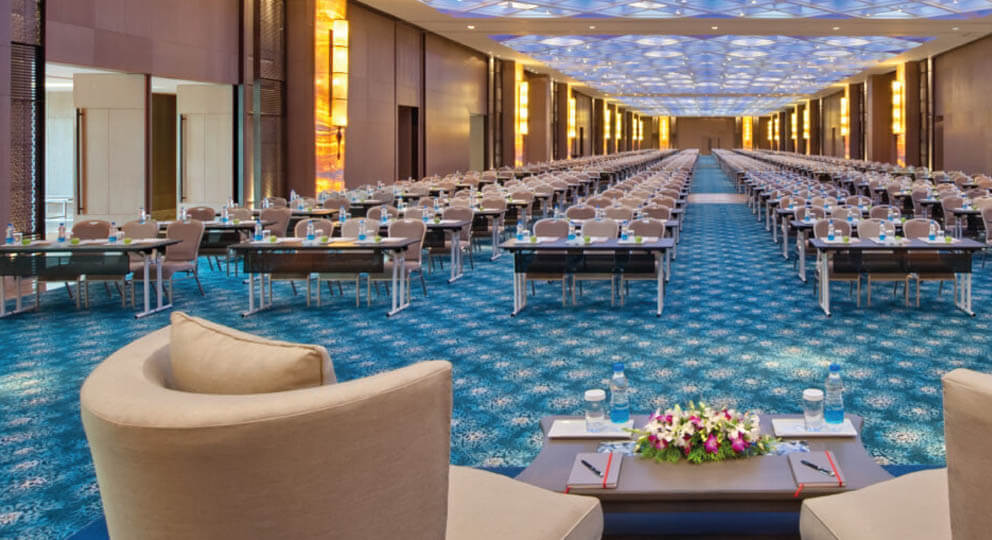
1, CBD, Maharaj Surajmal Road, Near Yamuna Sports Complex, Delhi, 110032




GENERAL QUERIES
Manish Tewatia
manish@csharpcon.com
+91-9718-431-042
TICKET QUERIES
Atul Gupta
conference@csharpcon.com
+91-9910-125-804